Pectoral-patch Cisticola: A Detailed Exploration of Cisticola brunnescens
The Pectoral-patch Cisticola, scientifically known as Cisticola brunnescens, is a small bird species belonging to the family Cisticolidae. This intriguing bird is primarily found in the grasslands and savannahs of Sub-Saharan Africa. With its distinctive vocalizations and unique behavioral patterns, the Pectoral-patch Cisticola stands out as a fascinating subject for ornithologists and bird enthusiasts alike.
Taxonomy and Classification
The Cisticola genus is known for its challenging taxonomy due to the subtle morphological differences between species. The Pectoral-patch Cisticola, however, is distinguished by its characteristic pectoral patch, a feature that contributes to its common name. Cisticola brunnescens was first described in the late 19th century, and its classification has been refined over the years through both morphological and genetic analyses.
Physical Characteristics
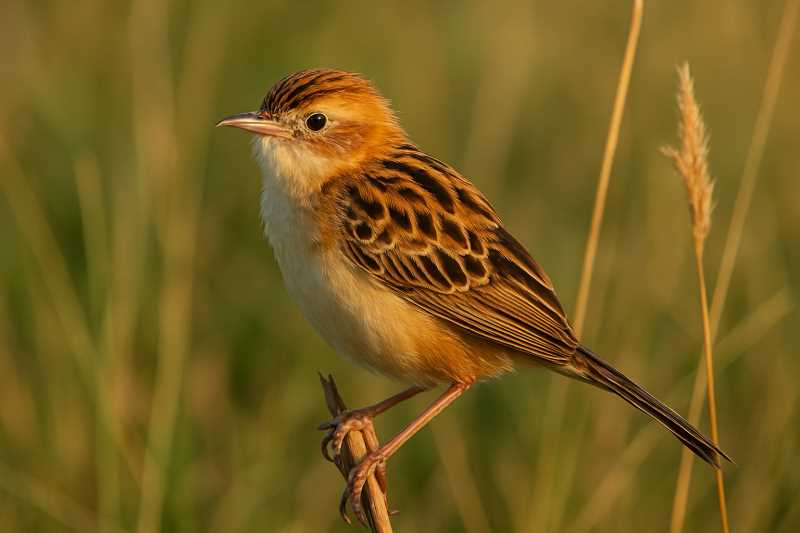
The Pectoral-patch Cisticola is a small bird, measuring approximately 10 to 12 centimeters in length. It exhibits a predominantly brown plumage with a distinctive darker patch on its chest, which is more pronounced in males. This patch is a key identifying feature during the breeding season when the males display their plumage to attract mates. The bird has a short, rounded tail and relatively long legs, which are well-suited for its terrestrial lifestyle.
Habitat and Distribution
Cisticola brunnescens is widely distributed across Sub-Saharan Africa, from Senegal in the west to Ethiopia and Kenya in the east, and as far south as South Africa. The species prefers open grasslands, savannahs, and wetlands, where it can be seen flitting among the grasses. Its adaptability to various grassland habitats has allowed it to thrive across a wide geographical range.
Behavior and Ecology
The Pectoral-patch Cisticola is known for its complex and melodious song, which plays a critical role in territory establishment and mate attraction. Males are particularly vocal during the breeding season, using their song to deter rivals and attract females. The bird’s song is a series of rapid, high-pitched notes that can be heard over long distances.
These birds are typically seen alone or in pairs, aggressively defending their territories from intruders. They feed primarily on insects, which they forage for on the ground or by gleaning from grass stems. Their diet consists mostly of ants, termites, and beetles, which are plentiful in their grassland habitats.
Breeding and Reproduction
Breeding in Pectoral-patch Cisticolas is closely tied to the rainy season, which provides the necessary resources for raising young. The species constructs intricately woven nests made of grass and spider silk, often hidden within dense clumps of grass to protect them from predators.
Females lay between two to four eggs, which are incubated for approximately 12 to 14 days. Both parents participate in feeding the chicks, which fledge about 10 to 12 days after hatching. The breeding success of Cisticola brunnescens is influenced by factors such as predation and habitat quality, with higher success rates in regions with abundant insect prey and dense grass cover.
Conservation Status
Currently, the Pectoral-patch Cisticola is classified as a species of Least Concern by the International Union for Conservation of Nature (IUCN). This classification reflects its widespread distribution and stable population numbers. However, habitat loss due to agricultural expansion and urbanization poses potential threats. Conservation efforts focusing on habitat preservation and sustainable land-use practices are essential to ensure the long-term survival of this species.
Conclusion
The Pectoral-patch Cisticola is a remarkable example of the rich biodiversity found in African grasslands. Its unique adaptations, charming vocalizations, and intricate breeding behaviors make it a subject of interest for both researchers and birdwatchers. As with many grassland species, ongoing conservation efforts are vital to protect the habitats that support these birds, ensuring that future generations can continue to enjoy their presence in the wild.
By understanding and appreciating species like the Pectoral-patch Cisticola, we take crucial steps towards preserving the delicate balance of ecosystems across the globe.
Related posts