The Taliabu Myzomela: A Jewel of the Indonesian Archipelago
The Taliabu Myzomela (Myzomela wahe) is a captivating bird species endemic to the Taliabu Island, part of the Sula Archipelago in Indonesia. This striking bird has recently garnered attention not only for its vibrant plumage but also for its ecological significance and conservation status. As researchers continue to uncover the mysteries of this avian species, understanding its habitat, behavior, and the challenges it faces is crucial for its preservation.
Habitat and Distribution
The Taliabu Myzomela is primarily found in the montane and lowland forests of Taliabu Island, which offers a rich mosaic of natural habitats. These forests provide the necessary resources such as nectar, insects, and shelter essential for the survival of the Taliabu Myzomela. The island’s unique geographical features and climatic conditions have contributed to the evolution of this species, allowing it to adapt to its environment over time. Unfortunately, the limited distribution of the Taliabu Myzomela makes it particularly susceptible to environmental changes and human activities.
Physical Characteristics
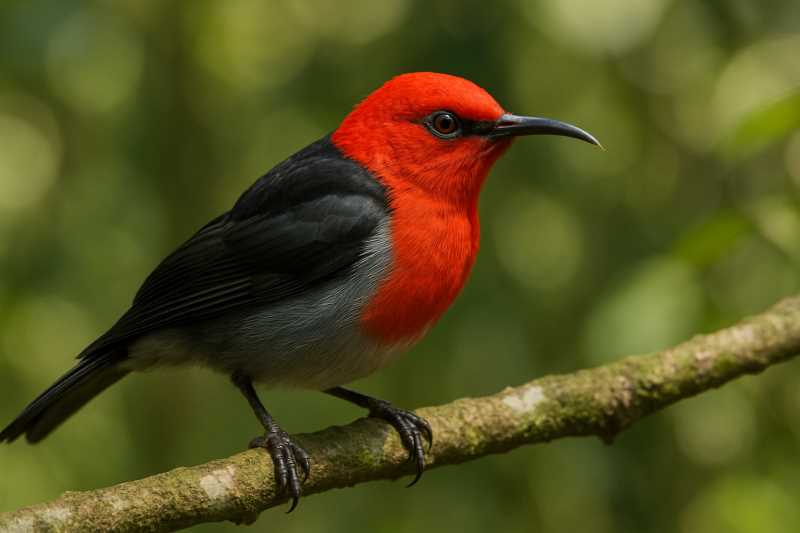
The Taliabu Myzomela is a small bird, measuring approximately 11 cm in length. It boasts a distinctive appearance with its bright red plumage on the head, chest, and upper body contrasting sharply with its dark wings and tail. The sharp, curved bill is perfectly adapted for feeding on nectar, its primary food source. This species exhibits sexual dimorphism, with males being slightly more colorful than females, a common trait in many bird species where visual displays play a role in mating.
Diet and Feeding Behavior
Primarily nectarivorous, the Taliabu Myzomela plays a crucial role in the pollination of various plant species on Taliabu Island. The bird’s diet is not limited to nectar; it also consumes small insects and spiders, which provide essential proteins and nutrients. Its feeding behavior is characterized by agility and speed, darting between flowers and foliage with remarkable precision. This behavior not only supports its survival but also aids in maintaining the health of the forest ecosystem.
Breeding and Life Cycle
Breeding behaviors of the Taliabu Myzomela are still under research, but it is believed that they follow similar patterns to closely related species. These birds are generally monogamous, with both parents participating in raising the young. Nests are typically built in shrubs or small trees, using plant fibers, spider webs, and other natural materials. The breeding season coincides with periods of abundant food availability, ensuring that the chicks have sufficient resources for growth and development.
Conservation Status and Threats
The Taliabu Myzomela is currently classified as Near Threatened by the International Union for Conservation of Nature (IUCN). The primary threats to this species include habitat destruction due to logging, agricultural expansion, and the impacts of climate change. The limited range of the Taliabu Myzomela exacerbates these threats, as any significant alteration in its habitat could have devastating effects on its population.
Conservation efforts are crucial for the survival of this species. Protecting the natural forests of Taliabu Island, implementing sustainable land-use practices, and conducting ongoing research are vital steps towards ensuring the longevity of the Taliabu Myzomela. Additionally, raising awareness among local communities about the ecological importance of this bird can foster a sense of stewardship and support for conservation initiatives.
The Importance of Research and Conservation
Research plays a pivotal role in understanding and preserving the Taliabu Myzomela. Continued studies on its ecology, behavior, and population dynamics are essential for developing effective conservation strategies. Collaborations between local authorities, conservation organizations, and scientists can facilitate knowledge exchange and resource sharing, ultimately benefiting both the Taliabu Myzomela and the broader ecosystem.
Protecting the Taliabu Myzomela is not just about preserving a single species; it is about maintaining the biodiversity and ecological health of Taliabu Island. As a pollinator, this bird contributes to the regeneration of plant life, supporting the intricate web of life that sustains the island’s biodiversity.
Conclusion
The Taliabu Myzomela is a testament to the rich biodiversity of the Indonesian archipelago. Its vibrant presence is both a natural wonder and an ecological asset. As we deepen our understanding of this species and its role within its habitat, it becomes increasingly clear that conservation efforts are not just beneficial but imperative. Protecting the Taliabu Myzomela ensures that future generations can witness the splendor of this remarkable bird and the thriving ecosystems it supports.
In conclusion, the Taliabu Myzomela, with its striking beauty and ecological importance, serves as a reminder of the delicate balance of nature. Through dedicated conservation and research efforts, we can hope to safeguard this species and its habitat, preserving a vital piece of our planet’s natural heritage.
Related posts