Introduction
Ridley’s Myotis, scientifically known as Myotis ridleyi, is a fascinating and lesser-known species of bat that belongs to the family Vespertilionidae. This small mammal is an integral part of the biodiversity within its habitat and plays a crucial role in maintaining ecological balance. Despite its importance, information about Ridley’s Myotis is not as widespread as it is for other bat species, making it a subject of interest for researchers and wildlife enthusiasts alike.
The name "Ridley’s Myotis" honors Henry Nicholas Ridley, a noted botanist and naturalist who contributed significantly to the understanding of Southeast Asian flora and fauna. This species, like many other bats, is vital for pollination and seed dispersal, thus contributing to the health of its ecosystem.
In this article, we will delve into various aspects of Ridley’s Myotis, including its physical characteristics, habitat preferences, behavior, diet, and conservation status. We will also provide tips for identifying this elusive creature in the wild, as well as answer some frequently asked questions to enhance your understanding of this remarkable species.
Physical Description
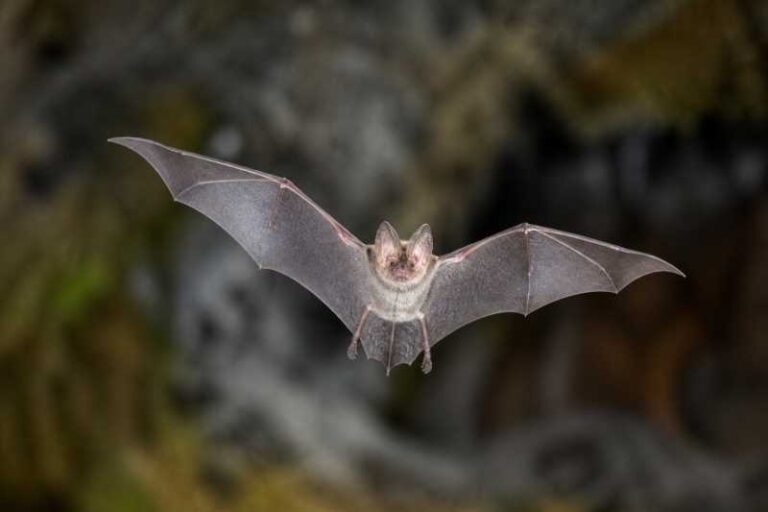
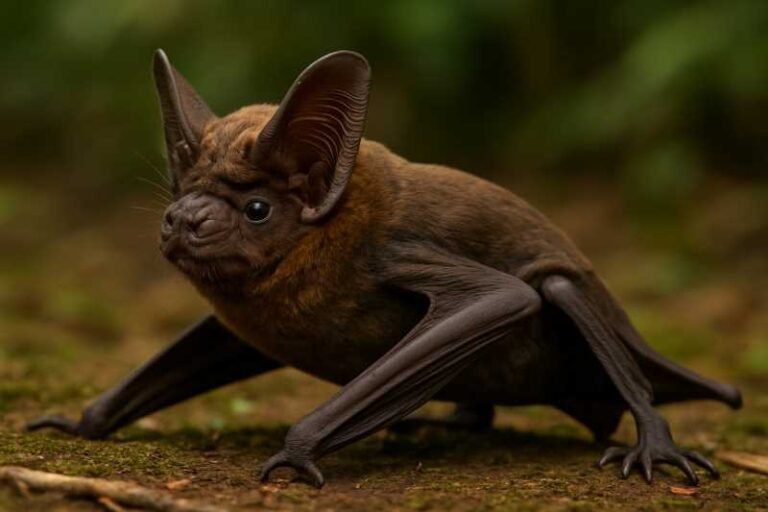
Ridley’s Myotis is a small bat species, with a forearm length ranging from 31 to 36 millimeters. It is characterized by its slender body, which typically weighs between 3 to 5 grams. The bat’s fur is generally dark brown on the dorsal side, while the ventral side is slightly lighter, exhibiting a more muted brown or grayish tone. This coloration provides excellent camouflage against the tree bark and foliage within its natural habitat.
One of the distinguishing features of Ridley’s Myotis is its relatively long ears, which are rounded at the tips. These ears are adept at picking up the high-frequency sounds used for echolocation, a crucial sensory tool that aids the bat in navigating and hunting in the dark. The tragus, a small cartilaginous projection inside the ear, is also long and pointed, assisting in sound reception.
The wings of Ridley’s Myotis are narrow and pointed, allowing for agile and swift flight. The wing membrane, known as the patagium, is stretched between the elongated fingers of the bat, which are an adaptation for flight. The tail is partially enclosed within the interfemoral membrane, providing additional stability during flight maneuvers.
Range and Habitat
Ridley’s Myotis is predominantly found in the tropical and subtropical regions of Southeast Asia. Its range includes countries such as Malaysia, Indonesia, Singapore, and possibly southern parts of Thailand. The species is primarily associated with lowland forests, although it can also be found in montane and coastal forest areas.
This bat species prefers habitats that offer dense foliage and ample roosting sites. Ridley’s Myotis is known to roost in tree hollows, caves, and even man-made structures such as abandoned buildings. The availability of suitable roosting sites and a rich insect population are critical factors influencing the distribution of this species.
The habitat of Ridley’s Myotis is under threat from deforestation and land conversion for agriculture, which may lead to a decline in its population. Conservation efforts are essential to protect the natural habitats of this and other bat species to ensure their survival and ecological function.
Behavior and Diet
Ridley’s Myotis is a nocturnal creature, with most of its activities, such as foraging and social interactions, taking place at night. During the day, it rests in its roost, conserving energy for the night ahead. The bat typically emerges from its roost shortly after dusk to begin its nightly foraging expedition.
The diet of Ridley’s Myotis primarily consists of insects, making it an insectivorous species. It hunts using echolocation, emitting high-frequency sounds that bounce off objects and return as echoes, allowing the bat to detect prey even in complete darkness. Common prey items include moths, beetles, and other small flying insects.
Socially, Ridley’s Myotis may form small colonies, although solitary roosting has also been observed. Communication within these colonies is facilitated through a series of vocalizations, which serve various purposes such as alerting others to danger or coordinating foraging activities.
Identification Tips (Field Recognition Cues)
Identifying Ridley’s Myotis in the field can be challenging due to its small size and nocturnal habits. However, there are several key characteristics to look for:
- Size and Coloration: Look for a small bat with dark brown dorsal fur and lighter ventral fur.
- Ear Structure: Note the relatively long, rounded ears and pointed tragus, which are distinctive features.
- Flight Pattern: Observe the agile and erratic flight pattern typical of insectivorous bats hunting for prey.
- Roosting Habits: Check tree hollows, caves, and abandoned buildings for potential roosting sites.
- Echolocation Calls: Use a bat detector to identify high-frequency echolocation calls characteristic of the species.
Conservation Status (With Threats and Protections)
As of the latest assessments, Ridley’s Myotis is not classified as a threatened species on the IUCN Red List. However, it faces several threats that could impact its population in the future. The primary threat to this species is habitat destruction due to deforestation and land conversion for agricultural and urban development.
Conservation measures for Ridley’s Myotis include habitat protection and restoration, as well as the establishment of protected areas that safeguard critical roosting and foraging sites. Public awareness campaigns and research initiatives are also crucial for enhancing understanding and ensuring the long-term survival of this and other bat species.
Efforts to mitigate the impacts of human activities on bat populations involve cooperation between governments, conservation organizations, and local communities. By promoting sustainable land-use practices and reducing habitat fragmentation, it is possible to conserve the natural environments that Ridley’s Myotis and other wildlife depend on.
Frequently Asked Questions
What is the significance of Ridley’s Myotis in its ecosystem?
Ridley’s Myotis plays a vital role in controlling insect populations, which helps maintain ecological balance. By consuming large quantities of insects, this bat species contributes to pest control, benefiting agriculture and reducing the spread of insect-borne diseases.
How does Ridley’s Myotis use echolocation?
Ridley’s Myotis uses echolocation by emitting high-frequency sound waves that bounce off objects and return as echoes. This allows the bat to navigate and hunt for insects in complete darkness, providing an advantage in nocturnal foraging.
Are there any specific conservation programs for Ridley’s Myotis?
While there are no species-specific conservation programs for Ridley’s Myotis, broader initiatives aimed at protecting bat habitats and promoting sustainable land-use practices indirectly benefit this species. Efforts to establish protected areas and raise public awareness about the importance of bats are essential components of its conservation.
How can I help in conserving Ridley’s Myotis and other bat species?
Supporting conservation organizations, participating in citizen science projects, and advocating for the preservation of natural habitats are effective ways to contribute to the conservation of Ridley’s Myotis and other bat species. Educating others about the ecological importance of bats and promoting bat-friendly practices can also make a significant impact.
Related posts