Introduction
The Painted Woolly Bat, scientifically known as Kerivoula picta, is a captivating and colorful member of the Vespertilionidae family. This small bat species is distinguished by its vibrant coloration, which not only serves as a delightful visual spectacle but also plays a role in its ecological interactions. The Painted Woolly Bat is an intriguing subject of study for mammalogists and wildlife enthusiasts alike, offering insights into the diverse adaptations and ecological niches occupied by bats around the world.
Physical Description
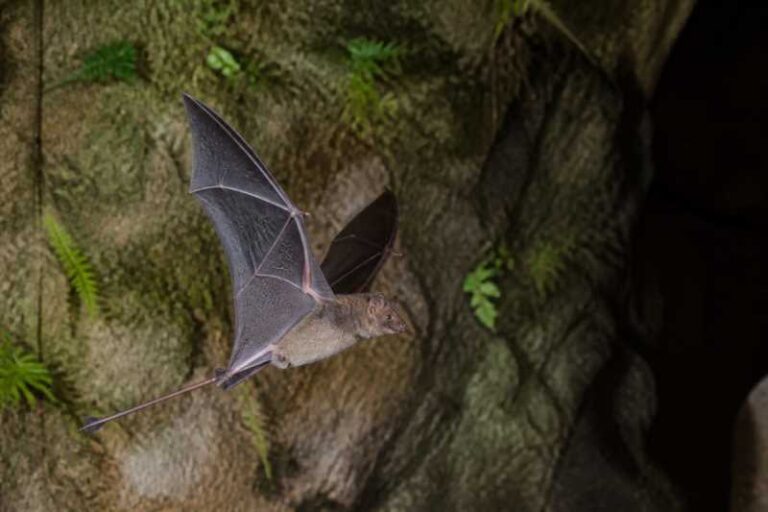
The Painted Woolly Bat is a visually striking species, marked by its distinctive orange and black coloration. This unique color pattern is most prominent on the bat’s wings, which are black with bright orange patches, providing an unmistakable field mark. The fur covering the body is woolly in texture, with varying shades of orange, brown, and black, contributing to its common name.
Adult Painted Woolly Bats are relatively small, with a body length ranging from 40 to 55 millimeters and a wingspan of approximately 230 to 260 millimeters. Their ears are rounded and moderately large, aiding in their acute sense of echolocation. The facial region, including the tragus, is also distinctively colored, complementing their overall appearance.
Range and Habitat
The Painted Woolly Bat is predominantly found in Southeast Asia, with a range that extends through parts of India, Sri Lanka, Myanmar, Thailand, and Indonesia. This species typically inhabits forested regions, including both primary and secondary forests. They are often found roosting in the foliage of trees or in the crevices of bark, taking advantage of the natural camouflage provided by their coloration.
Their habitat preference leans towards humid environments, where they can find ample food resources and suitable roosting sites. The presence of water bodies nearby, such as streams or ponds, is also beneficial, as these areas tend to attract a higher abundance of insect prey.
Behavior and Diet
Primarily nocturnal, the Painted Woolly Bat emerges at dusk to begin foraging. Their diet mainly consists of insects, which they catch mid-flight using sophisticated echolocation. The bats emit high-frequency calls that bounce off objects and prey, allowing them to navigate and hunt with precision even in complete darkness.
Socially, these bats are known to roost in small groups, although solitary roosting has also been observed. Their social interactions are complex, with vocalizations playing an important role in communication among individuals. During the day, they rest in concealed locations, conserving energy for their nightly activities.
Identification Tips
Identifying the Painted Woolly Bat in the field can be an enriching experience for bat enthusiasts and researchers. Key identification tips include:
- Coloration: Look for the distinct orange and black patterning on the wings and body.
- Size: Note the small size; these bats are smaller compared to many other bat species.
- Ear Shape: The rounded ears are a characteristic feature to help differentiate from other bats.
- Flight Pattern: Observe their flight style, which is typically agile and erratic, reflecting their insectivorous diet.
Conservation Status (with threats and protections)
The Painted Woolly Bat is currently listed as Least Concern by the IUCN Red List, indicating that it is not immediately threatened with extinction. However, like many bat species, it faces potential threats from habitat destruction, particularly due to deforestation and agricultural expansion in Southeast Asia.
Conservation efforts focus on habitat preservation and minimizing human disturbances in key areas. Protected forest reserves and national parks play a crucial role in safeguarding their natural habitat. Public awareness and education about the ecological importance of bats also contribute to the conservation of this species.
Frequently Asked Questions
- What is the primary diet of the Painted Woolly Bat?
The Painted Woolly Bat primarily feeds on insects, employing echolocation to hunt them during nocturnal foraging activities.
- Where can I find Painted Woolly Bats?
These bats are found in Southeast Asia, particularly in forested areas of India, Sri Lanka, Myanmar, Thailand, and Indonesia.
- How does the Painted Woolly Bat communicate?
Communication among Painted Woolly Bats involves vocalizations, which are used for social interactions and echolocation for navigation and hunting.
- Are Painted Woolly Bats endangered?
Currently, the Painted Woolly Bat is not endangered and is categorized as Least Concern, though habitat destruction poses a potential threat.
- What is unique about the Painted Woolly Bat’s appearance?
The distinctive orange and black coloration of the wings and woolly fur make the Painted Woolly Bat unique among bat species.
Related posts