Introduction
The Bismarck Woolly Bat, scientifically known as Kerivoula myrella, is a fascinating yet relatively obscure member of the mammalian order Chiroptera. This small bat is part of the family Vespertilionidae, which encompasses a diverse range of bat species commonly known as vesper bats or evening bats. The Bismarck Woolly Bat is endemic to Papua New Guinea, primarily found within the Bismarck Archipelago. Despite its limited geographic range, this species plays a crucial role in its ecosystem, contributing to insect population control and pollination.
In this comprehensive article, we will delve deep into the biological and ecological characteristics of the Bismarck Woolly Bat, exploring various aspects such as its physical description, range, habitat, behavior, diet, and conservation status. Additionally, we will provide field identification tips and address frequently asked questions to enhance understanding and appreciation of this unique bat species.
Physical Description
The Bismarck Woolly Bat is a small-sized bat with distinctive physical characteristics that set it apart from other bat species. Adult bats typically have a body length ranging from 4 to 5 centimeters, with a wingspan of approximately 20 to 25 centimeters. The weight of these bats is relatively light, generally ranging from 5 to 8 grams.
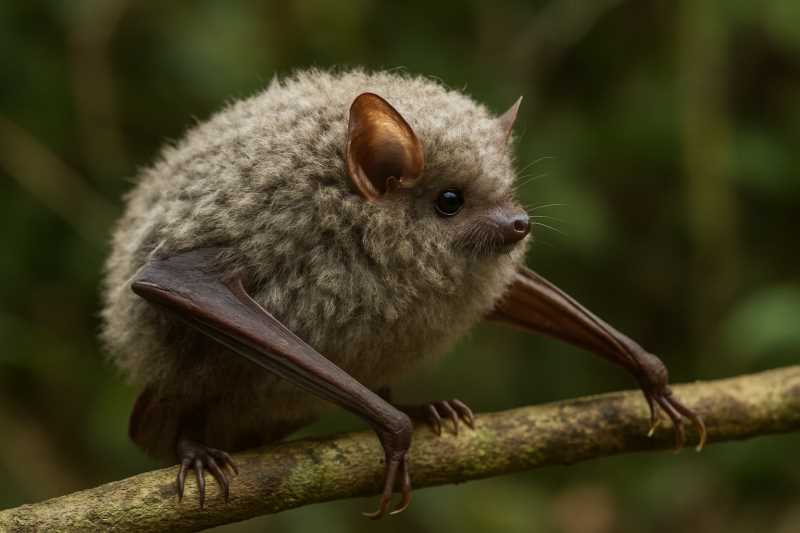
One of the most striking features of the Bismarck Woolly Bat is its fur. The bat is named for its soft, woolly fur that covers its body, providing insulation and camouflage in its natural habitat. The fur is usually a muted brown or gray color, with a slightly lighter underbelly. This coloration helps the bat blend into the bark and foliage of the trees where it roosts during the day.
The bat’s wings are long and narrow, adapted for maneuverability and precision flying in dense forested areas. The wing membranes are thin and translucent, allowing the bat to maintain agility while hunting for insects. The Bismarck Woolly Bat also has large, round ears that are crucial for echolocation, a key aspect of its hunting strategy.
Range and Habitat
The Bismarck Woolly Bat is endemic to the Bismarck Archipelago, a group of islands located northeast of mainland Papua New Guinea. These islands include New Britain, New Ireland, and several smaller islands in the region. The bat’s range is restricted to these islands, making it a species of particular interest to conservationists and researchers studying island biodiversity.
The preferred habitat of the Bismarck Woolly Bat is lowland and montane tropical forests. These bats are often found roosting in the canopy layer of the forest, where they can take advantage of the dense foliage for protection and access to a rich supply of insects. They may also roost in tree hollows, under bark, or within the large leaves of certain tree species. The presence of suitable roosting sites is a critical factor in the distribution of these bats across their range.
Behavior and Diet
The Bismarck Woolly Bat is a nocturnal species, emerging from its roosts at dusk to forage for food. Like many bats, it relies heavily on echolocation to navigate and hunt in the dark. The bat emits high-frequency sound waves that bounce off objects and return as echoes, allowing it to pinpoint the location of prey and avoid obstacles.
The diet of the Bismarck Woolly Bat primarily consists of insects, including moths, beetles, and other small arthropods. This insectivorous diet is vital for controlling pest populations within its ecosystem, highlighting the bat’s ecological importance. The bat’s agile flight allows it to capture prey mid-air, often performing acrobatic maneuvers to snatch insects from the foliage or surface of leaves.
In addition to foraging, the Bismarck Woolly Bat is known to engage in social behavior, particularly during the breeding season. These bats may form small colonies or roost communally, which enhances their chances of survival by providing warmth and protection from predators.
Identification Tips (field recognition cues)
Identifying the Bismarck Woolly Bat in the field requires a keen eye and an understanding of its distinctive features. Here are some field recognition cues to help identify this species:
- Fur Texture and Color: Look for the characteristic woolly texture of the fur, which is typically brown or gray with a paler underside.
- Size and Proportions: Note the small size of the bat, with a body length of 4 to 5 centimeters and a wingspan of 20 to 25 centimeters.
- Ears and Face: The bat has large, rounded ears that aid in echolocation. Its face is relatively short and blunt compared to other bat species.
- Flight Pattern: Observe the bat’s agile and maneuverable flight, often seen foraging close to vegetation.
- Roosting Sites: Check for potential roosting sites such as tree hollows or under bark in tropical forests.
Conservation Status (with threats and protections)
The Bismarck Woolly Bat is currently listed as "Data Deficient" by the International Union for Conservation of Nature (IUCN). This status indicates that there is insufficient data to make a direct assessment of its risk of extinction. However, several factors threaten the bat’s population and habitat.
Threats:
- Habitat Destruction: The primary threat to the Bismarck Woolly Bat is habitat loss due to deforestation and land conversion for agriculture and development. The destruction of tropical forests reduces available roosting and foraging areas.
- Climate Change: Changes in climate patterns can affect the availability of prey and suitable roosting conditions, potentially impacting the bat’s survival.
- Invasive Species: The introduction of non-native species to the islands can disrupt the ecological balance, posing a threat to native bat populations.
Protections:
Efforts to protect the Bismarck Woolly Bat include:
- Conservation Areas: Establishing protected areas within the Bismarck Archipelago to preserve critical habitats.
- Research and Monitoring: Conducting research to gather more data on the bat’s distribution, population size, and ecological needs.
- Community Engagement: Working with local communities to promote sustainable land use practices and raise awareness about the importance of bat conservation.
Frequently Asked Questions
What is the habitat of the Bismarck Woolly Bat?
The Bismarck Woolly Bat inhabits lowland and montane tropical forests in the Bismarck Archipelago, where it relies on dense foliage and tree hollows for roosting.
How does the Bismarck Woolly Bat contribute to its ecosystem?
As an insectivorous bat, it helps control insect populations, serving as a natural pest control agent, and may also play a role in pollination and seed dispersal.
What are the main threats to the Bismarck Woolly Bat?
The main threats include habitat destruction due to deforestation, climate change, and competition from invasive species introduced to its native islands.
How can I help in conserving the Bismarck Woolly Bat?
Supporting conservation organizations, promoting awareness about bat conservation, and advocating for sustainable land use practices can contribute to the protection of this species.
Are there any ongoing conservation efforts for the Bismarck Woolly Bat?
Yes, efforts include the establishment of protected areas, research initiatives to gather data, and community engagement programs to promote conservation practices.
Related posts