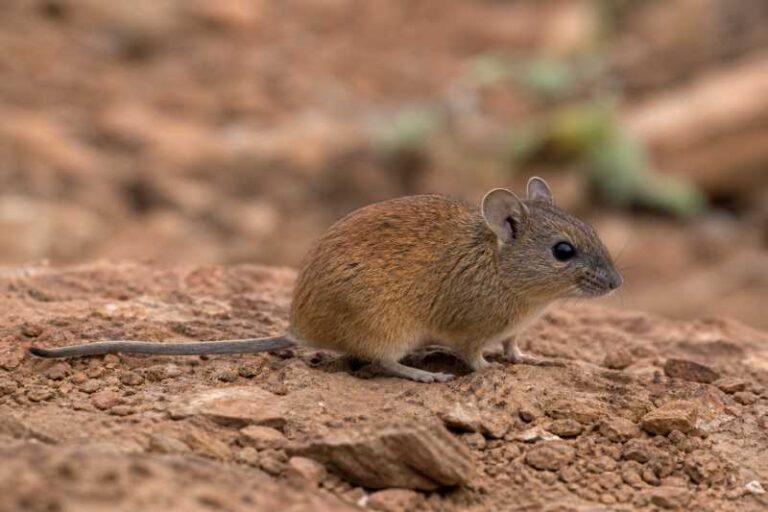
Northern Short-tailed Shrew (Blarina brevicauda): A Comprehensive Guide
Introduction
The Northern Short-tailed Shrew, scientifically known as Blarina brevicauda, is a small yet fascinating mammal native to North America. This shrew is a member of the Soricidae family and is notable for its significant role in the ecosystem due to its unique characteristics and behaviors. Despite its diminutive size, the Northern Short-tailed Shrew is a voracious predator and an important component of its habitat. This article delves into the physical description, range, habitat, behavior, diet, identification tips, conservation status, and frequently asked questions about this intriguing species.
Physical Description
The Northern Short-tailed Shrew is characterized by its small, compact body and a notably short tail, which constitutes about 25% of its total body length. Adults typically measure between 10 to 14 centimeters (4 to 5.5 inches) in length, including the tail, and weigh approximately 15 to 30 grams (0.5 to 1.1 ounces). Their fur is dense and velvety, often appearing dark gray or black, which aids in camouflage within their habitat.
This shrew has a pointed snout and tiny eyes, which are nearly hidden in its fur, reflecting its reliance on other senses over vision. The ears are small and covered by fur, further emphasizing the shrew’s adaptation to a subterranean lifestyle. The Northern Short-tailed Shrew possesses unique venomous saliva, a rare trait among mammals, used to subdue prey.
Range and Habitat
The Northern Short-tailed Shrew is found throughout the eastern United States and southern Canada, from the Atlantic coast westward to the Great Plains. Its range extends northward into southern parts of Canada, including Ontario and Quebec, and southward into northern Georgia and Alabama.
This species thrives in a variety of habitats, including deciduous and coniferous forests, grasslands, marshes, and even suburban areas. They prefer environments with abundant ground cover, such as leaf litter or dense vegetation, which provide protection from predators and harsh weather conditions. The shrew’s preference for moist areas is due to its high metabolic rate, requiring constant hydration.
Behavior and Diet
The Northern Short-tailed Shrew is primarily nocturnal, though it may also be active during the day. This shrew is highly energetic due to its rapid metabolism and must consume up to three times its body weight each day. Its diet consists mainly of insects, earthworms, snails, and small vertebrates. The shrew’s venomous bite allows it to paralyze larger prey, such as mice or amphibians, making it a formidable predator.
The shrew is solitary and territorial, often engaging in aggressive behavior to defend its home range. It communicates through high-pitched squeaks and uses echolocation to navigate its environment, a trait shared with bats and dolphins. The Northern Short-tailed Shrew also constructs elaborate tunnel systems in the leaf litter and soil to hunt and escape predators.
Identification Tips (Field Recognition Cues)
- Size and Shape: Look for a small, compact mammal with a notably short tail.
- Fur Color: Dark gray to black, with a dense and velvety texture.
- Snout and Eyes: Long, pointed snout with small, nearly invisible eyes.
- Activity Patterns: Active both day and night, but primarily nocturnal.
- Habitat: Prefers moist, wooded, or grassy areas with ample ground cover.
Conservation Status (with Threats and Protections)
The Northern Short-tailed Shrew is currently listed as a species of "Least Concern" on the IUCN Red List due to its widespread distribution and stable population. However, habitat destruction and pollution pose potential threats to localized populations.
Conservation efforts are focused on preserving natural habitats and minimizing environmental pollution. Protecting wetlands and forested areas is crucial for maintaining the ecological balance and ensuring the survival of this species.
Frequently Asked Questions
How does the Northern Short-tailed Shrew use its venom?
The shrew’s venomous saliva is used to paralyze prey, making it easier to subdue and consume larger animals. This adaptation is rare among mammals and gives the shrew an advantage in hunting.
Where can I find Northern Short-tailed Shrews?
These shrews are commonly found in the eastern United States and southern Canada, inhabiting forests, grasslands, and wetlands with abundant ground cover.
What threats do Northern Short-tailed Shrews face?
While generally not threatened, localized populations may be at risk due to habitat destruction, pollution, and climate change.
Are Northern Short-tailed Shrews dangerous to humans?
No, they are not dangerous to humans. Their venom is not harmful to humans and is used primarily for hunting prey.
What role do Northern Short-tailed Shrews play in the ecosystem?
As insectivores, they help control insect populations and serve as prey for larger predators, contributing to the food web stability.
Related posts