Introduction
The Yunnan Hadromys, scientifically known as Hadromys yunnanensis, is a small rodent species native to the Yunnan province of China. This elusive mammal is part of the family Muridae, which encompasses a diverse group of rodents including mice and rats. While not as widely recognized as its relatives, the Yunnan Hadromys plays a crucial role in its ecosystem. This article will delve into various aspects of the Yunnan Hadromys, from its physical characteristics to its habitat, behavior, and conservation status.
Physical Description
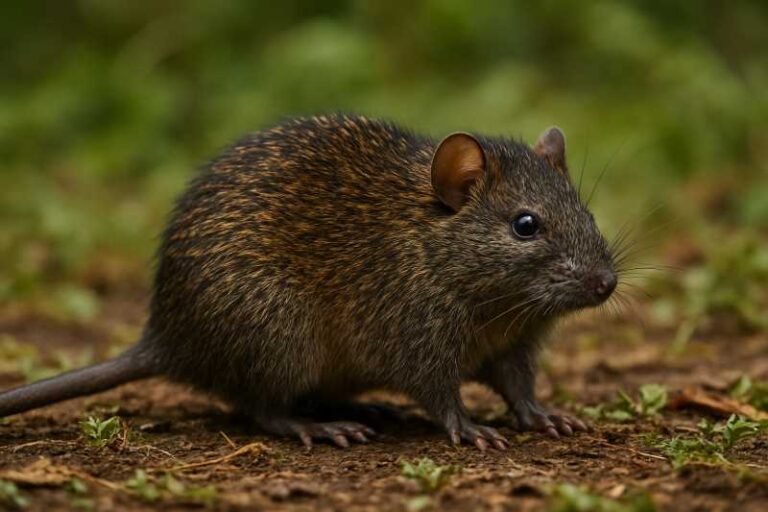
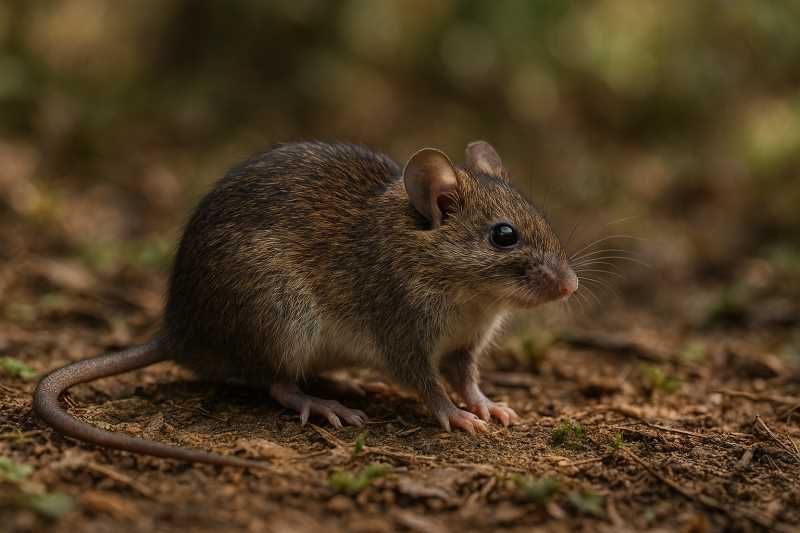
The Yunnan Hadromys is a small-sized rodent, characterized by its sleek fur and agile body. Typically, this species measures about 12 to 16 centimeters in length, with a tail that adds an additional 8 to 10 centimeters. The fur is generally a mix of gray and brown, providing effective camouflage against the forest floor.
The head of the Yunnan Hadromys is slightly rounded with large, black eyes that aid in nocturnal activities. Its ears are moderately sized, allowing for acute hearing. The paws are adapted for climbing and foraging, featuring sharp claws that provide grip and dexterity. The tail, long and slightly bushy, aids in balance and navigation through its arboreal habitat.
Range and Habitat
The Yunnan Hadromys is endemic to the Yunnan province, located in the southwestern part of China. This region is known for its rich biodiversity and varying altitudes, ranging from tropical to temperate climates. The Yunnan Hadromys predominantly inhabits montane forests, thriving in the dense undergrowth and fallen leaf litter.
These forests offer a complex ecosystem with abundant resources such as seeds, fruits, and insects, which make up the diet of the Yunnan Hadromys. The species is often found at elevations between 1,000 and 2,500 meters above sea level, where the climate is mild and humid. The presence of streams and rivers in these habitats provides essential water resources for survival.
Behavior and Diet
As a nocturnal species, the Yunnan Hadromys is most active during the night. This behavior helps it avoid predators and the heat of the day. Its diet is omnivorous, consisting primarily of seeds, fruits, insects, and small invertebrates. The ability to adapt its diet according to availability makes the Yunnan Hadromys a resilient species in its forest habitat.
Socially, the Yunnan Hadromys is relatively solitary, with individuals maintaining separate territories. Communication is primarily through scent markings and vocalizations, which play a crucial role during the mating season. Breeding typically occurs in the warmer months, resulting in litters of up to six young ones, which are raised in nests constructed from leaves and twigs.
Identification Tips (Field Recognition Cues)
Identifying the Yunnan Hadromys in the wild requires attention to specific cues:
- Size and Shape: Look for a small rodent with a sleek body and a tail almost as long as its body.
- Coloration: Observe the gray-brown fur, which blends seamlessly with forest surroundings.
- Behavior: Note nocturnal activity patterns, often observed at dusk or dawn.
- Habitat: Search in dense undergrowth within montane forests at specified elevations.
- Vocalizations: Listen for high-pitched calls, particularly during the breeding season.
Conservation Status (With Threats and Protections)
The conservation status of the Yunnan Hadromys is currently not well-documented, primarily due to its elusive nature and limited range. However, habitat destruction poses a significant threat. Deforestation for agriculture and urban development in Yunnan province has led to fragmentation of the natural habitat, which can adversely affect the population.
Efforts to protect the Yunnan Hadromys include the establishment of protected areas and reserves that safeguard its habitat from further destruction. Conservationists emphasize the importance of sustainable land-use practices and the preservation of biodiversity hotspots to ensure the survival of this unique species.
Frequently Asked Questions
Why is this species unique?
The Yunnan Hadromys is unique due to its limited geographical range and its adaptation to the montane forest ecosystem. Its elusive nature and specific habitat preferences make it a species of interest for researchers studying biodiversity in Yunnan.
What threats does the Yunnan Hadromys face?
The primary threat to the Yunnan Hadromys is habitat loss due to deforestation and land conversion for agriculture. These activities lead to habitat fragmentation, which impacts the species’ ability to find food and mates.
How can we help in the conservation of this species?
Supporting conservation initiatives that focus on habitat protection and sustainable land use in Yunnan province is crucial. Educating local communities about the ecological importance of the Yunnan Hadromys can also foster community-led conservation efforts.
What role does the Yunnan Hadromys play in its ecosystem?
As an omnivorous rodent, the Yunnan Hadromys helps control insect populations and aids in seed dispersal, contributing to the health and regeneration of its forest habitat.
Related posts