Introduction
The Northern Luzon Forest Mouse, scientifically known as Apomys datae, is a small rodent endemic to the Philippines. This elusive species is primarily found in the montane and mossy forests of Northern Luzon. As a member of the Muridae family, the Northern Luzon Forest Mouse plays a crucial ecological role in its habitat by aiding in seed dispersion and serving as prey for various predators. With a unique combination of physical characteristics, behaviors, and habitat preferences, this species is a fascinating subject of study for mammalogists and conservationists alike.
Physical Description
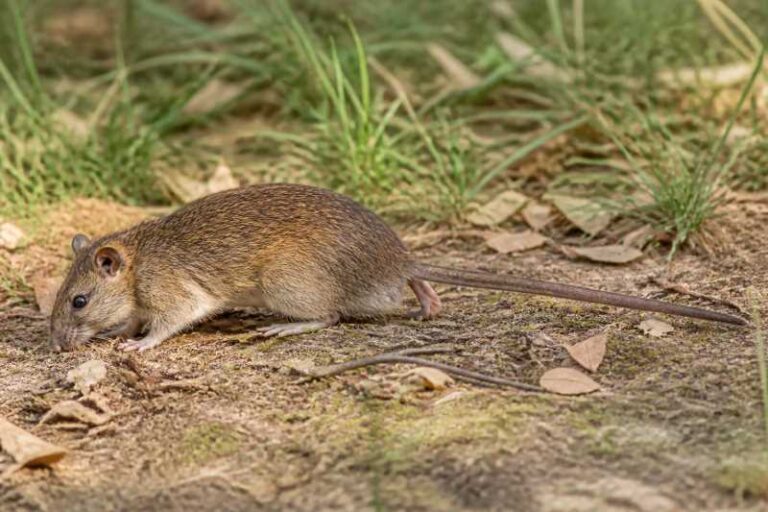
The Northern Luzon Forest Mouse is a small mammal with a body length ranging from 8 to 10 centimeters, with a tail length roughly equal to or slightly longer than its body. Its fur is soft and dense, with a distinct color pattern that includes a dark brown to black dorsal side and a lighter, often grayish, ventral side. The ears are moderately sized and rounded, contributing to its acute sense of hearing, which is essential for avoiding predators and foraging in dense forest environments.
The species exhibits sexual dimorphism, with males typically being slightly larger than females. This size difference is subtle but can be observed in the context of a population study. The feet of Apomys datae are well-adapted for climbing and navigating the forest floor, with sharp claws that provide excellent grip on both soil and tree bark.
Range and Habitat
The Northern Luzon Forest Mouse is endemic to the highlands of Northern Luzon, specifically within the Cordillera Central mountain range. This species thrives in montane and mossy forest ecosystems, typically at elevations ranging from 1,000 to 2,500 meters above sea level. These habitats are characterized by cooler temperatures, high humidity, and dense vegetation, which provide ample cover and resources for the species.
The forest mouse is primarily found in undisturbed or minimally disturbed areas, where human activity is limited. This preference for pristine environments means that the species is particularly sensitive to habitat destruction and fragmentation, which poses a significant threat to its populations.
Behavior and Diet
The Northern Luzon Forest Mouse is nocturnal, spending its nights foraging for food and avoiding predators. Its diet is omnivorous, consisting of seeds, fruits, insects, and small invertebrates. This varied diet not only helps the mouse meet its nutritional needs but also plays a part in seed dispersion, contributing to the ecological health of its forest habitat.
This species is known for its territorial behavior, with individuals maintaining small home ranges that they defend vigorously against intruders. Communication among these mice is primarily through vocalizations and scent marking, both of which are used to establish territory boundaries and indicate reproductive status.
Identification Tips
Field recognition of the Northern Luzon Forest Mouse can be challenging due to its elusive nature and the dense habitats it occupies. However, there are several distinctive features that can aid in identification:
- Size and Shape: Look for a small rodent with a rounded body, measuring approximately 8 to 10 centimeters in length.
- Fur Coloration: Note the dark brown to black dorsal fur contrasted with a lighter grayish underside.
- Tail Length: Observe the tail, which is roughly equal in length to the body and often used for balance.
- Ears and Feet: Identify the moderately sized round ears and sharp-clawed feet, adaptations for navigating forest terrain.
Conservation Status
The International Union for Conservation of Nature (IUCN) currently lists the Northern Luzon Forest Mouse as a species of Least Concern. However, this status belies the potential threats the species faces due to habitat destruction, primarily from logging, agricultural expansion, and urbanization.
Conservation efforts are focused on habitat preservation and the establishment of protected areas within the species’ range. These initiatives aim to mitigate the impacts of human encroachment and ensure the survival of this important rodent species in its natural habitat.
Frequently Asked Questions
Q1: What is the diet of the Northern Luzon Forest Mouse?
The Northern Luzon Forest Mouse is omnivorous, feeding on a variety of seeds, fruits, insects, and small invertebrates. This diverse diet helps it fulfill its nutritional requirements and plays a role in seed dispersion.
Q2: Where can the Northern Luzon Forest Mouse be found?
This species is endemic to the highland regions of Northern Luzon, particularly within the Cordillera Central mountain range, where it inhabits montane and mossy forests.
Q3: How does the Northern Luzon Forest Mouse contribute to its ecosystem?
The Northern Luzon Forest Mouse contributes to its ecosystem by participating in seed dispersion, which aids in forest regeneration, and serving as prey for various predators, thus maintaining the ecological balance.
Q4: What are the main threats to the Northern Luzon Forest Mouse?
The primary threats include habitat destruction due to logging, agricultural development, and urbanization, which lead to habitat fragmentation and population decline.
Q5: How can one identify a Northern Luzon Forest Mouse in the wild?
Identification can be made by observing its small size, dark dorsal fur, lighter ventral side, and tail length. The species also has distinct round ears and sharp-clawed feet.
Related posts