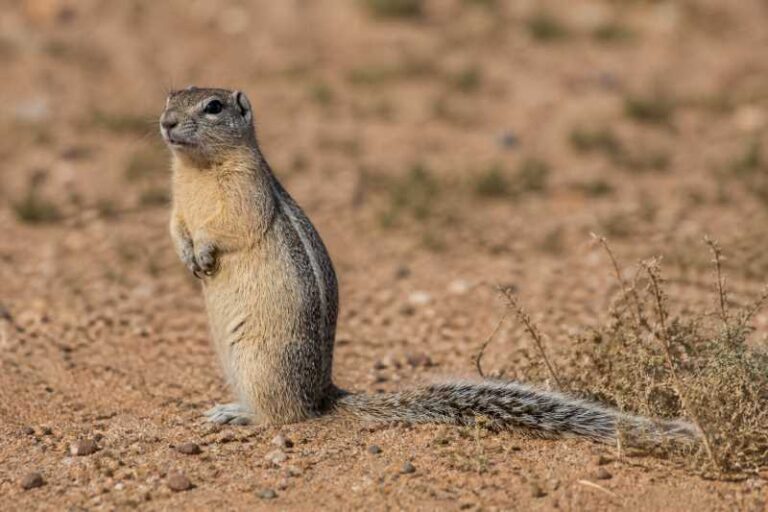
Desert Hamster (Phodopus roborovskii): A Comprehensive Overview
Introduction
The desert hamster, scientifically known as Phodopus roborovskii, is a captivating species native to the arid regions of Central Asia. These diminutive creatures are often referred to as Roborovski hamsters and have become cherished pets across the globe due to their small size, engaging behavior, and relatively easy care requirements. With a focus on their natural history, ecology, and conservation, this article aims to provide an in-depth understanding of the desert hamster.
Physical Description
Desert hamsters are the smallest members of the hamster family, with adults typically measuring between 4.5 to 5 cm in length and weighing around 20 to 25 grams. Their fur is a sandy color on the back, which provides excellent camouflage against the desert landscape, while their underbellies are white. Notably, desert hamsters have a distinctive white patch above each eye, resembling eyebrows, and their rounded ears are relatively large compared to their body size. Their short tails and tiny, agile limbs complete their compact physique, well-adapted to their harsh environment.
Range and Habitat
Desert hamsters are predominantly found in the sandy, arid environments of Mongolia, northern China, and parts of Kazakhstan. These regions are characterized by extreme temperatures, minimal vegetation, and infrequent rainfall, making them challenging habitats for survival. Despite these harsh conditions, the desert hamster thrives by occupying burrows, which they dig themselves in sandy soils. These burrows provide protection from predators and extreme weather, and they serve as storage sites for food.
Behavior and Diet
Desert hamsters are nocturnal creatures, meaning they are primarily active during the night. This behavior helps them avoid the scorching temperatures of the day. In the wild, their diet consists mainly of seeds, grains, and small insects, which provide necessary nutrients and hydration. They are known for their hoarding behavior, often storing excess food in their burrows to ensure a stable food supply during scarce periods.
Socially, desert hamsters are more solitary than other hamster species, typically preferring to live alone except during mating seasons. Their communication involves a series of high-pitched squeaks and scent markings to delineate territory and signal readiness for mating.
Identification Tips
When trying to identify desert hamsters in the wild, there are several key characteristics to observe:
- Size and Shape: Look for their diminutive size and compact shape, distinguishing them from other larger rodents.
- Coloration: Note the sandy coloration on their backs and the stark white underbelly.
- Facial Features: The white patches above their eyes and relatively large ears are also distinguishing features.
- Behavior: Their nocturnal activity and tendency to forage and hoard food at night can also aid in identification.
Conservation Status
Currently, the desert hamster is classified as Least Concern by the International Union for Conservation of Nature (IUCN). While they are not considered threatened, their populations can be affected by habitat loss due to agricultural expansion and climate change, which may alter their arid habitats. Conservation efforts focus on habitat preservation and monitoring population levels to prevent future decline. Additionally, responsible pet trade practices are crucial to ensuring their wild populations are not adversely impacted.
Frequently Asked Questions
What is the natural habitat of the desert hamster?
The desert hamster inhabits the arid regions of Central Asia, including Mongolia, northern China, and Kazakhstan. They thrive in sandy, dry environments where they can dig burrows for shelter and food storage.
How do desert hamsters survive in such dry environments?
Desert hamsters are well-adapted to arid climates through nocturnal behavior, which avoids daytime heat, and a diet that provides both nutrients and moisture. Their burrowing lifestyle also offers protection from predators and temperature extremes.
Are desert hamsters good pets?
Yes, desert hamsters are popular pets due to their small size and engaging nature. However, they require specific care to replicate their natural habitat, including appropriate housing, diet, and handling to ensure their well-being.
How can I differentiate a desert hamster from other hamster species?
Desert hamsters are smaller than other species, with distinctive sandy coloration, white underbellies, and unique facial markings. Their nocturnal behavior and solitary nature also set them apart.
What threats do desert hamsters face in the wild?
The primary threats to desert hamsters include habitat destruction due to agricultural expansion and climate change, which can alter their natural habitats. Conservation efforts focus on habitat preservation and monitoring population trends.
Related posts