Introduction
The Eastern Bettong (Bettongia gaimardi) is a small marsupial native to Australia, particularly known for its nocturnal habits and unique ecological role. This diminutive mammal, once widespread across southeastern Australia, is now largely restricted to Tasmania, with reintroduction efforts in place to restore its presence in the mainland. As a keystone species, the Eastern Bettong plays a critical role in ecosystem management through its foraging and digging activities, which enhance soil health and seed dispersal. This article delves into the fascinating world of the Eastern Bettong, exploring its physical characteristics, habitat, behavior, and the conservation efforts crucial to its survival.
Physical Description
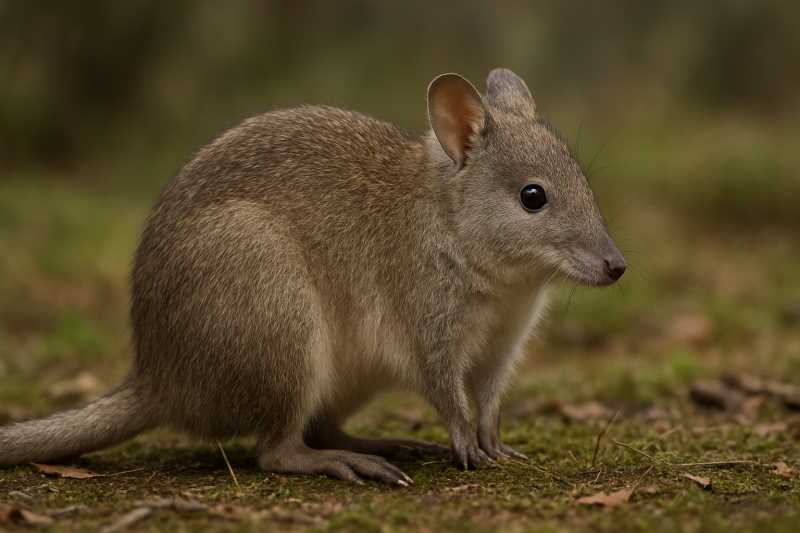
The Eastern Bettong is a small, agile marsupial, with a body length ranging from 30 to 40 centimeters and a tail length of about 29 to 36 centimeters. Weighing between 1.5 to 2 kilograms, it is characterized by its long, slender tail, used primarily for balance and agility. The fur of the Eastern Bettong is soft and dense, with a grey-brown coloration on the back and a lighter underbelly, offering camouflage against the forest floor.
Distinctive features include its pointed snout and large, expressive eyes adapted for nocturnal vision. The ears are rounded and relatively large, aiding in acute hearing, while its strong hind legs are well-suited for hopping, a primary mode of locomotion. The forelimbs are equipped with sharp claws, ideal for digging and foraging.
Range and Habitat
Historically, the Eastern Bettong inhabited a broad range across southeastern Australia, from Victoria to New South Wales. However, due to habitat destruction and predation, its current natural range is primarily confined to Tasmania. Efforts to reintroduce populations on the mainland, particularly in predator-free reserves, have seen some success.
The Eastern Bettong thrives in dry sclerophyll forests, woodlands, and grassy plains, where it can find ample food and suitable shelter. These habitats are typically characterized by a mix of eucalypt species, providing the necessary underbrush and leaf litter for foraging. The species prefers areas with well-drained soils, which facilitate its digging behavior.
Behavior and Diet
As a nocturnal creature, the Eastern Bettong spends its nights foraging for food and its days resting in nests made of grasses and leaves. It is a solitary animal, although overlapping home ranges can lead to interactions between individuals.
The diet of the Eastern Bettong is primarily composed of fungi, bulbs, seeds, and tubers. Its foraging activities, particularly its fondness for fungi, play a vital ecological role. By digging and turning over soil, the bettong aids in the dispersal of fungal spores and aeration of the soil, which benefits plant growth and soil health.
Identification Tips (field recognition cues)
Identifying the Eastern Bettong in the wild can be challenging due to its nocturnal and elusive nature. However, several field recognition cues can assist observers:
- Habitat Preference: Look for them in dry sclerophyll forests and grassy woodlands, particularly in areas with dense underbrush and eucalypt trees.
- Nocturnal Activity: Use red-filtered flashlights at night to spot their reflective eyeshine without startling them.
- Tracks and Signs: Look for small diggings in the soil, which indicate foraging activity, or nests made from grass.
- Vocalizations: Listen for soft, growling noises, which are used for communication among individuals.
Conservation Status (with threats and protections)
The Eastern Bettong is currently listed as Near Threatened by the IUCN Red List. The primary threats to its survival include habitat loss due to agricultural expansion and urban development, as well as predation by introduced species such as foxes and cats.
Conservation efforts are focused on habitat restoration, predator control, and reintroduction programs. In Tasmania, conservation reserves and national parks provide protected habitats, while on the mainland, fenced predator-free areas have been established to facilitate safe reintroduction.
Community awareness and involvement are also crucial in conservation efforts, with programs aimed at educating the public about the ecological importance of the Eastern Bettong and the need for sustainable land management practices.
Frequently Asked Questions
1. What is the Eastern Bettong’s role in the ecosystem?
The Eastern Bettong is a keystone species that plays a critical role in soil health and plant regeneration. Its digging activities aerate the soil and aid in the dispersal of fungal spores, which are essential for the growth of many plant species.
2. Where can I see Eastern Bettongs in the wild?
Eastern Bettongs can be observed in Tasmania’s national parks and reserves. Mainland sightings are possible in predator-free conservation areas where reintroduction efforts are underway.
3. How can I help in conserving the Eastern Bettong?
Supporting conservation organizations, participating in habitat restoration projects, and promoting awareness about the threats faced by the Eastern Bettong are effective ways to contribute to its conservation. Additionally, advocating for policies that protect natural habitats and control invasive predators is vital.
4. Why are Eastern Bettongs nocturnal?
Being nocturnal helps Eastern Bettongs avoid predators and extreme daytime temperatures. Their large eyes and acute hearing are adaptations that aid in navigation and foraging during the night.
5. Are Eastern Bettongs related to kangaroos?
Yes, Eastern Bettongs are marsupials and belong to the same family as kangaroos, potoroos, and wallabies. They share similar reproductive traits, such as carrying young in a pouch.
Related posts