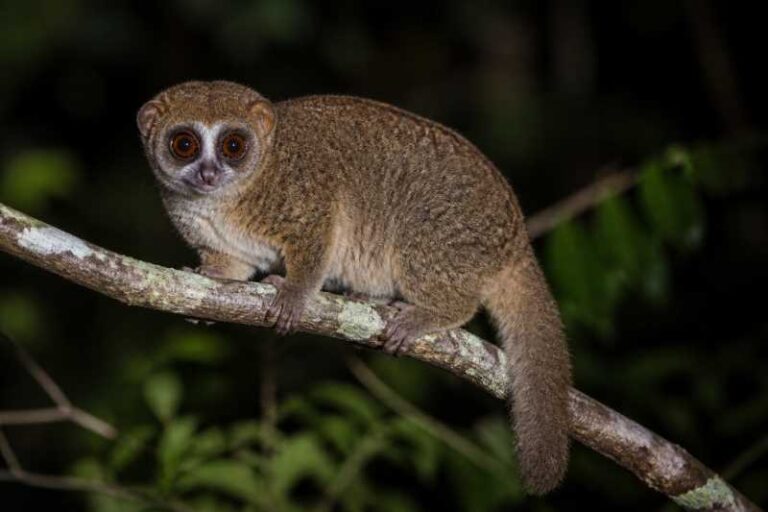
Broad-headed Serotine (Afropipistrellus crassulus)
Introduction
The Broad-headed Serotine, scientifically known as Afropipistrellus crassulus, is a fascinating species of bat within the Vespertilionidae family. As a lesser-known mammal, this species plays a crucial role in its ecosystem, contributing to insect population control and plant pollination. This article delves into the various aspects of the Broad-headed Serotine, from its physical characteristics and habitat preferences to its behavior, diet, and conservation status.
Physical Description
The Broad-headed Serotine is a small bat species, characterized by its relatively broad head and compact body. Adult individuals typically weigh between 4 to 10 grams and have a wingspan ranging from 200 to 250 millimeters. Their fur is generally short and dense, with a coloration that varies from dark brown to black, providing effective camouflage against predators and blending seamlessly into their natural habitat at night.
A distinctive feature of the Broad-headed Serotine is its broad and somewhat flattened head, which sets it apart from other bat species. The ears are short and rounded, with a tragus that is blunt and slightly curved. The muzzle is also broad, with a flat profile that gives the species its common name.
Range and Habitat
The Broad-headed Serotine is primarily found in sub-Saharan Africa, with a range that extends across several countries, including Kenya, Tanzania, Uganda, and parts of the Democratic Republic of Congo. This species is highly adaptable and inhabits a variety of environments, from savannahs and open woodlands to forests and urban areas.
These bats prefer areas with abundant food sources and suitable roosting sites. They are often found roosting in tree hollows, crevices, and sometimes in man-made structures such as buildings and bridges. The adaptability of the Broad-headed Serotine to different habitats is one of the reasons it has a relatively wide distribution.
Behavior and Diet
Broad-headed Serotines are nocturnal creatures, emerging from their roosts at dusk to forage for food. Their diet primarily consists of insects, making them insectivorous. They play a vital role in controlling insect populations, particularly mosquitoes and other flying insects, which they catch in flight using their agile and acrobatic flying skills.
These bats employ echolocation to navigate and hunt in the dark. They produce ultrasonic calls, which bounce off objects and return as echoes, allowing them to detect the size, shape, and distance of prey. Their foraging activity usually peaks in the early evening and just before dawn.
Identification Tips (Field Recognition Cues)
Identifying the Broad-headed Serotine in the field requires keen observation and knowledge of its distinct features:
- Size and Shape: Look for a small bat with a broad head and compact body structure.
- Coloration: Note the short, dense fur that ranges from dark brown to black.
- Ears and Tragus: The ears are short and rounded, with a blunt, slightly curved tragus.
- Flight Pattern: Observe their agile and acrobatic flight, common among insectivorous bats.
- Echolocation Calls: Listen for their distinctive ultrasonic calls used for navigation and hunting.
Conservation Status (With Threats and Protections)
As of the most recent assessments, the Broad-headed Serotine is classified as "Least Concern" on the IUCN Red List. This status is attributed to its wide distribution and adaptability to various habitats. However, like many bat species, it faces threats from habitat destruction, pollution, and climate change.
Deforestation and urbanization lead to the loss of natural roosting sites, while pesticide use reduces the availability of insect prey. Conservation efforts focus on habitat protection and the creation of bat-friendly environments in urban settings.
Frequently Asked Questions
1. What does the Broad-headed Serotine eat? The Broad-headed Serotine primarily feeds on insects, such as mosquitoes and other flying insects, which it catches during flight using echolocation.
2. Where is the Broad-headed Serotine found? This species is found in sub-Saharan Africa, across countries like Kenya, Tanzania, Uganda, and the Democratic Republic of Congo, in habitats ranging from forests to urban areas.
3. How does the Broad-headed Serotine hunt? It uses echolocation to detect and capture prey. By emitting ultrasonic calls and interpreting the returning echoes, it can navigate and hunt in complete darkness.
4. What are the main threats to the Broad-headed Serotine? The main threats include habitat destruction due to deforestation and urbanization, pollution, and the impact of pesticides reducing insect populations.
5. How can I help in conserving the Broad-headed Serotine? Supporting conservation initiatives that protect natural habitats and promote bat-friendly urban environments can aid in the conservation of this species.
Related posts