Introduction
Schelkovnikov’s Pine Vole, scientifically known as Microtus schelkovnikovi, is a fascinating mammal species that has captured the attention of biologists and nature enthusiasts alike. Despite its small size, this vole plays a significant role in its ecosystem. This article delves into the various aspects of Schelkovnikov’s Pine Vole, from its physical characteristics to its conservation status.
Physical Description
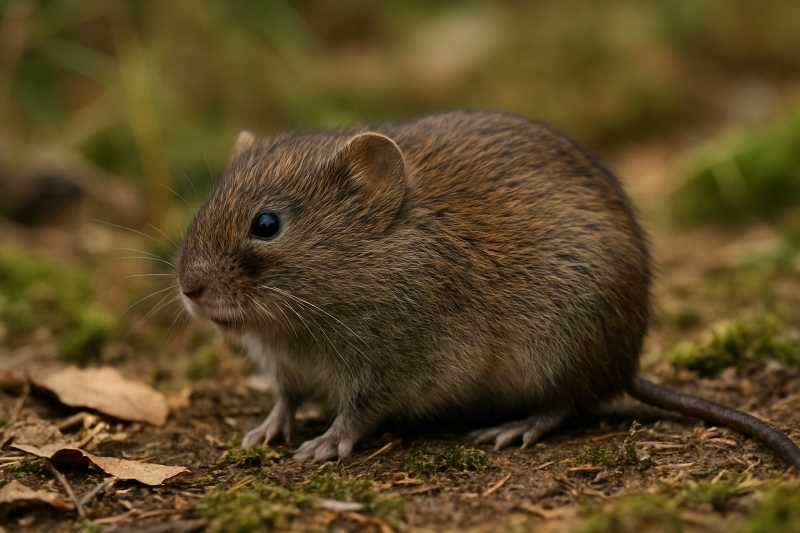
Schelkovnikov’s Pine Vole is a small rodent, with adults typically measuring between 9 to 12 centimeters in length, excluding the tail. The tail adds an additional 2 to 4 centimeters. The vole’s fur is dense and soft, providing insulation against the cold climates in which it resides. The coloration of the fur is generally a mix of brown and gray, which offers excellent camouflage against the forest floor and underbrush.
One of the distinguishing features of Schelkovnikov’s Pine Vole is its small, rounded ears that are often hidden beneath its fur. Its eyes are relatively small but well-adapted to low-light conditions, a common trait among nocturnal mammals. The vole’s whiskers are long and sensitive, aiding in navigation and foraging during night-time activities.
Range and Habitat
Schelkovnikov’s Pine Vole is primarily found in the temperate forests of Eastern Europe and parts of Western Asia. Its range includes countries like Russia, Georgia, and Azerbaijan. These voles prefer habitats with dense ground cover, such as pine forests, where they can find ample food and protection from predators.
The vole’s habitat is characterized by a thick layer of leaf litter and fallen needles, which not only provide food but also help in concealing their presence from predators. They are also found in areas with abundant grassy vegetation, which is vital for their diet.
Behavior and Diet
Schelkovnikov’s Pine Vole is primarily nocturnal, meaning it is most active during the night. This behavior helps avoid many of its natural predators. The vole is known for its complex burrow systems, which provide shelter and a place to store food.
The diet of Schelkovnikov’s Pine Vole mainly consists of plant material. They feed on a variety of grasses, seeds, and roots. During the winter months, when food is scarce, they may resort to eating bark and other available plant materials. Their foraging behavior is meticulous, often involving the collection and storage of food for later consumption.
Identification Tips
Identifying Schelkovnikov’s Pine Vole in the field can be challenging due to its elusive nature. However, there are several cues to look for:
- Size and Shape: Look for a small rodent with a compact body and a relatively short tail.
- Fur Color: Their brown and gray fur provides camouflage, but it can be discerned against a backdrop of green foliage.
- Burrows: Keep an eye out for small burrow entrances with signs of recent activity, such as freshly dug soil.
- Tracks and Trails: During the winter, their tracks might be visible in the snow, showing a pattern of small, closely spaced prints.
Conservation Status
Currently, Schelkovnikov’s Pine Vole is not listed as endangered, but it faces several threats that could impact its population. Habitat loss due to deforestation and agricultural expansion poses a significant risk. Additionally, climate change may alter the vole’s habitat, making it less suitable for its survival.
Conservation efforts are in place to monitor the population of Schelkovnikov’s Pine Vole and protect its natural habitat. Protected areas and national parks play a crucial role in ensuring these voles have a safe environment to thrive. Continued research and monitoring are essential to prevent this species from becoming threatened.
Frequently Asked Questions
1. What is the lifespan of Schelkovnikov’s Pine Vole?
The lifespan of Schelkovnikov’s Pine Vole in the wild is typically around 1 to 2 years. However, under optimal conditions in captivity, they may live slightly longer.
2. Are Schelkovnikov’s Pine Voles social animals?
While they are not particularly social, Schelkovnikov’s Pine Voles do engage in communal living within their burrow systems, especially during colder months.
3. How do Schelkovnikov’s Pine Voles adapt to cold environments?
Their dense fur provides insulation, and their burrow systems help maintain a stable temperature, which is crucial for survival during harsh winters.
4. What predators do Schelkovnikov’s Pine Voles face?
Common predators include birds of prey, such as owls, as well as terrestrial predators like foxes and weasels.
5. How does climate change affect Schelkovnikov’s Pine Vole?
Climate change can lead to habitat alterations, impacting food availability and increasing vulnerability to predators due to reduced cover.
Related posts