Cape Rock Sengi (Elephantulus edwardii): An In-Depth Exploration
Introduction
The Cape Rock Sengi, scientifically known as Elephantulus edwardii, is a fascinating small mammal native to southern Africa. Known for its distinctive elongated snout and swift movements, the Cape Rock Sengi is a member of the order Macroscelidea, commonly referred to as elephant shrews. Despite their name, these creatures are not related to shrews but share a closer affinity with elephants, aardvarks, and sea cows. This article delves deeply into the life of the Cape Rock Sengi, exploring its physical attributes, habitat, behaviors, and more.
Physical Description
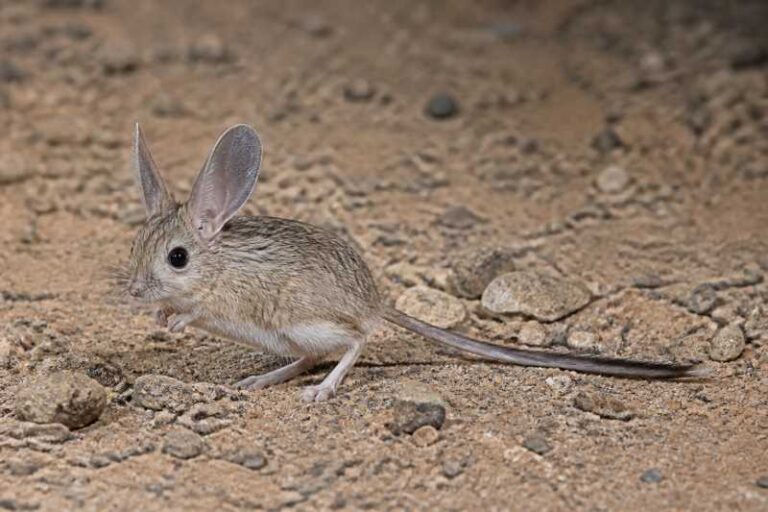
The Cape Rock Sengi is a small mammal characterized by its long, flexible snout used to forage for insects in crevices and under debris. Typically, these sengis weigh between 50 to 60 grams and have a body length ranging from 10 to 12 centimeters, with a tail that is almost equal in length to their body. Their fur is soft and dense, exhibiting a sandy to grayish-brown hue that provides excellent camouflage against the rocky terrain they inhabit.
The animal’s limbs are long and slender, adapted for rapid movement across the rocky landscape. The hind legs are particularly powerful, allowing the sengi to leap substantial distances to evade predators. Their large, round eyes are adapted for sharp vision, essential for spotting predators and navigating their environment.
Range and Habitat
Cape Rock Sengis are endemic to southern Africa, predominantly found in South Africa’s Western and Northern Cape provinces. Their habitat is characterized by rocky outcrops, often in mountainous or semi-arid regions where they can easily hide among the rocks.
These sengis prefer areas with abundant rock cover that provides shelter and opportunities to escape predators. The vegetation in these habitats is typically sparse, consisting mainly of scrub bush and small shrubs. Despite the arid conditions, Cape Rock Sengis are well adapted to their environment, obtaining moisture from their insectivorous diet and requiring little free water.
Behavior and Diet
Cape Rock Sengis are diurnal creatures, primarily active during the day, which is unusual among small mammals. They are highly territorial and often establish home ranges that they mark with scent glands located on their feet. These territories are defended vigorously against intruders.
Their diet mainly consists of insects and other small invertebrates, which they forage for using their acute sense of smell. The elongated snout acts as a tool to probe into narrow crevices and under leaf litter, allowing them to extract hidden prey. Occasionally, they may also consume small amounts of plant matter.
Identification Tips (Field Recognition Cues)
Identifying the Cape Rock Sengi in the wild can be challenging due to its small size and elusive nature. However, there are several key features to look for:
- Coloration: Look for their sandy to grayish-brown fur, which blends well with rocky surroundings.
- Movement: Watch for rapid, darting movements and leaping abilities, which are characteristic of these sengis.
- Snout: The long, flexible snout is a distinctive feature used for probing and foraging.
- Habitat: Focus on rocky outcrops with sparse vegetation, their preferred environment.
Conservation Status (with threats and protections)
The Cape Rock Sengi is currently listed as Least Concern on the IUCN Red List. While their populations are stable, they face potential threats from habitat destruction due to agriculture, mining, and human settlement expansion.
Conservation efforts mainly focus on habitat preservation. Protected areas within their range offer some security, but continued vigilance is necessary to ensure these habitats remain intact. Monitoring population trends and habitat quality is critical to prevent future declines.
Frequently Asked Questions
1. What is the habitat of the Cape Rock Sengi?
Cape Rock Sengis inhabit rocky outcrops in southern Africa, particularly in semi-arid regions with sparse vegetation. They prefer areas with ample rock cover for shelter and protection.
2. How does the Cape Rock Sengi find food?
The Cape Rock Sengi uses its long, flexible snout to forage for insects and small invertebrates. Its keen sense of smell aids in detecting prey hidden in crevices and under debris.
3. Why is the Cape Rock Sengi called an elephant shrew?
The name "elephant shrew" comes from the sengi’s elongated snout, which resembles a miniature elephant trunk. Despite the name, they are more closely related to elephants than to true shrews.
4. Are Cape Rock Sengis endangered?
Currently, the Cape Rock Sengi is not endangered and is classified as Least Concern. However, it is important to continue monitoring their populations to ensure they remain stable.
5. What adaptations help the Cape Rock Sengi survive in its environment?
The Cape Rock Sengi’s adaptations include its camouflaged fur, rapid movements, powerful hind legs for leaping, and a keen sense of smell for foraging, all of which aid in its survival in rocky, semi-arid habitats.
Related posts