Introduction
The Guianan Long-nosed Armadillo, scientifically known as Dasypus guianensis, is a fascinating mammal species that has intrigued naturalists and wildlife enthusiasts alike. Known for its distinct elongated snout and protective armor, this armadillo species occupies a unique niche within the ecosystems of South America. This article delves deep into the characteristics, habitat, behavior, and conservation status of the Guianan Long-nosed Armadillo, providing comprehensive insights for researchers, conservationists, and armadillo admirers.
Physical Description
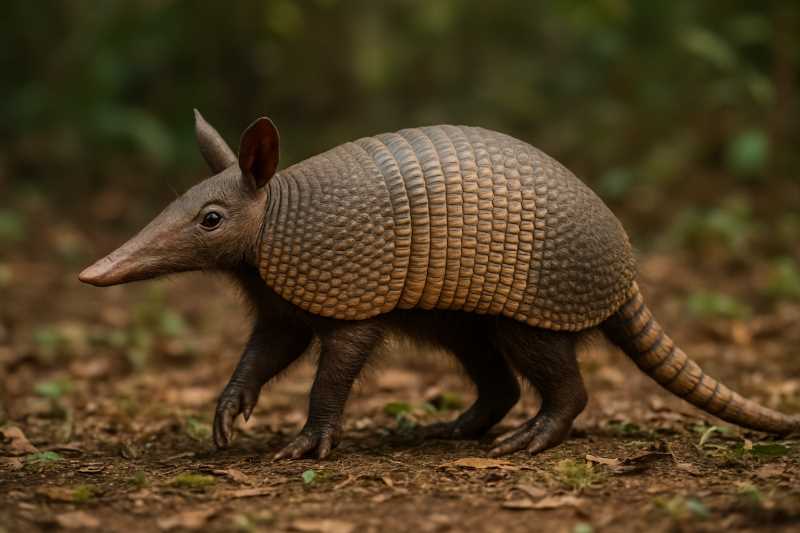
The Guianan Long-nosed Armadillo features a distinctive appearance, making it easily identifiable among other armadillo species. This species exhibits an elongated snout that enhances its ability to forage for insects, a primary component of its diet. The body is covered with a protective shell made of bony plates called osteoderms, which is typical of armadillos. This armor provides effective defense against predators.
Adult Guianan Long-nosed Armadillos typically measure between 35 to 45 centimeters in length, with a tail adding an additional 25 to 35 centimeters. They weigh approximately 2 to 3 kilograms. Their coloration varies from a grayish-brown to a more reddish hue, depending on the region and specific environmental factors.
The limbs of this armadillo are short but powerful, equipped with strong claws adapted for digging. This physical adaptation is crucial for their survival, allowing them to burrow into the ground to escape predators and extreme weather conditions.
Range and Habitat
The Guianan Long-nosed Armadillo is predominantly found in the northern regions of South America, including countries like Venezuela, Guyana, Suriname, and parts of Brazil. They thrive in a variety of habitats ranging from tropical rainforests to savannas and shrublands. These armadillos favor environments that offer ample cover and soft soil for digging.
Their habitat selection is influenced by the availability of food sources and the need for protection from predators. Dense vegetation provides shelter, while the loose soil of rainforests and savannas facilitates burrowing activities. Seasonal changes can also affect their habitat choice, as they may migrate to different areas depending on food availability and climatic conditions.
Behavior and Diet
Guianan Long-nosed Armadillos are predominantly nocturnal creatures, meaning they are most active during the night. This nocturnal lifestyle helps them avoid the heat of the day and potential predators. During the day, they rest in burrows that they dig using their powerful claws.
Their diet is primarily insectivorous, with a significant portion consisting of ants and termites. The elongated snout and sticky tongue are adaptations that assist in extracting insects from narrow crevices and underground nests. Additionally, they may consume small vertebrates, fruits, and plant matter to supplement their diet.
Social behavior in Guianan Long-nosed Armadillos is relatively limited, as they are solitary animals. However, they may occasionally be seen in pairs during the mating season. Communication among these armadillos is primarily through scent marking and vocalizations.
Identification Tips (Field Recognition Cues)
Identifying the Guianan Long-nosed Armadillo in the field requires attention to several key characteristics:
- Elongated Snout: The most distinctive feature is their long snout, which is noticeably more pronounced than in other armadillo species.
- Protective Armor: The presence of bony plates or osteoderms forms a robust shell covering the back, providing a tough exterior.
- Size and Weight: Typically measuring 35 to 45 centimeters in body length, with a tail of 25 to 35 centimeters and weighing between 2 to 3 kilograms.
- Coloration: Look for variations in color from grayish-brown to reddish, which can help distinguish them from other species.
- Behavior: Observe nocturnal activity patterns and burrowing behavior, which are common traits of this species.
Conservation Status (With Threats and Protections)
The Guianan Long-nosed Armadillo currently holds a conservation status of "Least Concern" according to the International Union for Conservation of Nature (IUCN). However, this does not imply that their populations are free from threats. Habitat destruction, primarily due to deforestation and agricultural expansion, poses a significant risk to their natural environments. Additionally, hunting for meat and the illegal pet trade threaten local populations.
Efforts to protect the Guianan Long-nosed Armadillo include the establishment of protected areas and national parks within their range. Conservation programs aim to reduce habitat destruction and promote sustainable land-use practices. Raising awareness about the ecological role of armadillos and the threats they face is crucial for their long-term survival.
Frequently Asked Questions
What is the primary diet of the Guianan Long-nosed Armadillo?
The Guianan Long-nosed Armadillo primarily feeds on insects, with ants and termites being the most significant part of its diet. They may also consume small vertebrates, fruits, and vegetation.
How does the Guianan Long-nosed Armadillo protect itself from predators?
The armadillo’s protective shell composed of bony plates provides a robust defense against predators. Additionally, their burrowing ability allows them to escape threats by retreating underground.
In which countries can the Guianan Long-nosed Armadillo be found?
This species is found in northern South America, including countries such as Venezuela, Guyana, Suriname, and parts of Brazil.
What are the main threats to the Guianan Long-nosed Armadillo?
The primary threats include habitat destruction due to deforestation, hunting for meat, and the illegal pet trade, all of which impact their populations.
Are Guianan Long-nosed Armadillos social animals?
No, they are generally solitary animals. While they may occasionally be seen in pairs during the mating season, they do not form large social groups.
Related posts