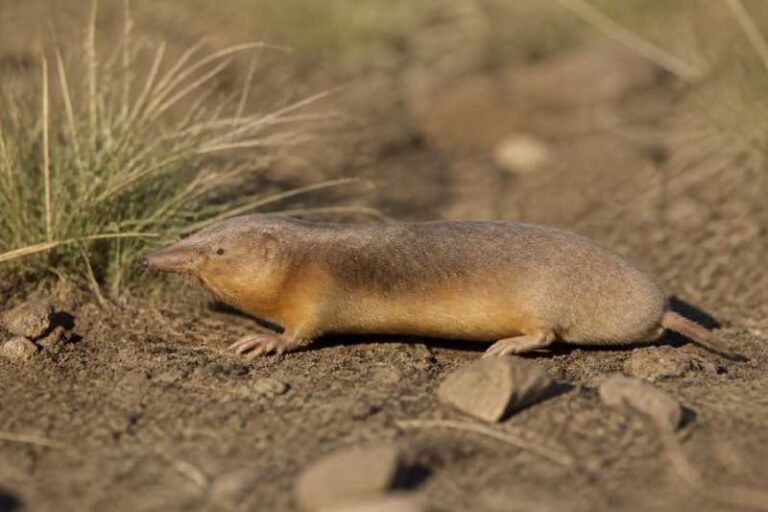
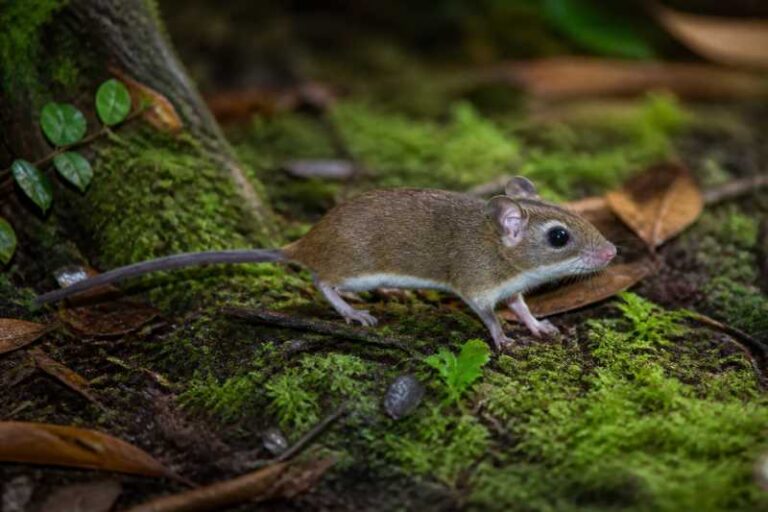
Chacoan Naked-tailed Armadillo (Cabassous chacoensis)
Introduction
The Chacoan Naked-tailed Armadillo (Cabassous chacoensis) is a fascinating yet little-known species of armadillo that inhabits the unique Gran Chaco region of South America. This elusive creature is part of the family Dasypodidae, which includes other armadillo species, and is known for its distinctive lack of a hairy tail, unlike many of its relatives. This article aims to provide a comprehensive overview of the Chacoan Naked-tailed Armadillo, covering its physical characteristics, habitat, behavior, and conservation status, as well as offering helpful identification tips for those interested in observing this enigmatic animal in the wild.
Physical Description
The Chacoan Naked-tailed Armadillo is a medium-sized armadillo, with adults typically measuring between 30 to 35 centimeters in length, not including the tail, which adds an additional 12 to 15 centimeters. The species is distinguished by its smooth, almost hairless tail, which sets it apart from other armadillos that often have hairy tails. Its carapace, or protective shell, is composed of ossified dermal plates that form a series of movable bands, allowing the armadillo flexibility and protection.
The carapace is generally a dark brown or grayish color, providing camouflage in its native habitat. The head is small and pointed, with a snout adapted for digging and foraging. The eyes are relatively small, a common trait among armadillos, indicating a reliance on other senses over vision. Its limbs are robust and equipped with strong claws, which are essential for burrowing and foraging.
Range and Habitat
The Chacoan Naked-tailed Armadillo is endemic to the Gran Chaco, a vast, lowland region in central South America that extends across parts of Paraguay, Argentina, and Bolivia. This semi-arid region is characterized by its dry forests, thorny scrublands, and savannas. The armadillo prefers habitats that provide ample cover and loose soil for digging, which is crucial for its burrowing lifestyle.
The Gran Chaco is known for its extreme temperatures, ranging from hot and humid summers to cooler, drier winters, conditions to which the Chacoan Naked-tailed Armadillo has adapted over time. The armadillo’s distribution is largely influenced by the availability of suitable burrowing sites and food resources, making undisturbed forest areas and scrublands ideal environments.
Behavior and Diet
The Chacoan Naked-tailed Armadillo is primarily nocturnal, emerging from its burrows at night to forage for food. It is a solitary creature, with interactions between individuals largely limited to the breeding season. The armadillo spends a significant portion of its life underground, residing in extensive burrow systems that it excavates using its powerful claws.
Its diet consists mainly of insects, particularly ants and termites, which it locates using its keen sense of smell. The armadillo uses its elongated snout to probe into nests and its long, sticky tongue to capture prey. It may also consume other invertebrates, small vertebrates, and occasionally plant matter, depending on availability.
Identification Tips (Field Recognition Cues)
Identifying the Chacoan Naked-tailed Armadillo in the field can be challenging due to its elusive nature and nocturnal habits. However, there are several key features to look for:
- Smooth Tail: Unlike other armadillo species, the Chacoan Naked-tailed Armadillo has a nearly hairless, smooth tail, a distinctive trait that aids in identification.
- Size and Color: Note the medium size and dark brown or grayish coloration of the carapace, which blends well with the surrounding environment.
- Burrowing Behavior: Look for signs of fresh burrows or disturbed soil, which may indicate the presence of an armadillo.
- Foraging Patterns: Areas with overturned soil and small holes can be indicative of their foraging activity.
Conservation Status (with Threats and Protections)
The Chacoan Naked-tailed Armadillo is currently classified as Near Threatened on the IUCN Red List. The primary threats to this species are habitat loss and fragmentation due to agricultural expansion, deforestation, and human encroachment into the Gran Chaco region. These activities not only reduce the availability of suitable habitats but also increase the likelihood of human-armadillo conflicts.
Conservation efforts are focused on protecting and restoring its natural habitat, as well as raising awareness about the importance of preserving the unique biodiversity of the Gran Chaco. Protected areas within the armadillo’s range are crucial for its survival, and ongoing research aims to better understand the species’ ecology and inform conservation strategies.
Frequently Asked Questions
What is unique about the Chacoan Naked-tailed Armadillo?
The Chacoan Naked-tailed Armadillo is unique for its smooth, almost hairless tail, a feature that sets it apart from other armadillo species. This adaptation, along with its nocturnal and burrowing behavior, makes it a fascinating subject of study.
Where can you find the Chacoan Naked-tailed Armadillo?
This species is found in the Gran Chaco region of South America, which spans parts of Paraguay, Argentina, and Bolivia. It inhabits dry forests and scrublands that provide ample cover and loose soil for burrowing.
What does the Chacoan Naked-tailed Armadillo eat?
The armadillo’s diet primarily consists of insects, particularly ants and termites. It uses its keen sense of smell to locate prey and its long, sticky tongue to capture them. It may also consume small vertebrates and plant matter.
Why is the Chacoan Naked-tailed Armadillo threatened?
The main threats to the Chacoan Naked-tailed Armadillo are habitat loss and fragmentation caused by agricultural expansion and deforestation in the Gran Chaco region. Conservation efforts focus on habitat protection and restoration.
How can we help protect the Chacoan Naked-tailed Armadillo?
Supporting conservation initiatives and protected areas in the Gran Chaco is essential. Raising awareness about the ecological importance of this species and its habitat can also contribute to its protection.
Related posts