Lesser Cuban Nesophontes (Nesophontes micrus): A Comprehensive Guide
Introduction
The Lesser Cuban Nesophontes, scientifically known as Nesophontes micrus, is a fascinating yet elusive mammal that once inhabited the lush landscapes of Cuba. Part of the now-extinct Nesophontidae family, this small insectivorous mammal has captured the interest of scientists and nature enthusiasts alike due to its mysterious existence and eventual extinction. This article delves into the various aspects of the Lesser Cuban Nesophontes, including its physical characteristics, habitat, behavior, and conservation status. Additionally, it offers identification tips and addresses frequently asked questions to provide a holistic understanding of this intriguing species.
Physical Description
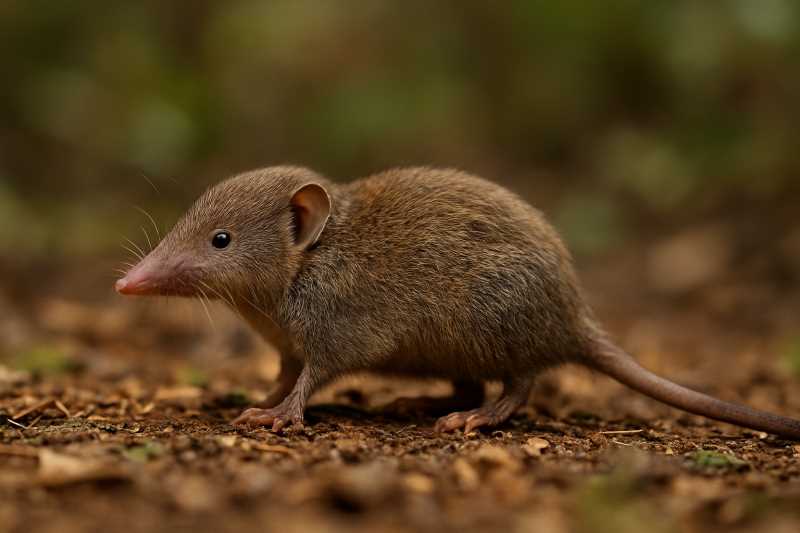
The Lesser Cuban Nesophontes was a small, shrew-like mammal that possessed several distinctive physical characteristics. With an estimated body length of about 5 to 10 centimeters, it was a diminutive creature, making it one of the smaller members of its genus. Its weight was likely between 6 to 15 grams, similar to that of a modern-day shrew.
The Nesophontes micrus had a slender body covered with soft, dense fur, which was generally grayish-brown in color, providing effective camouflage against the forest floor. Its elongated snout was a defining feature, housing sensory whiskers that aided in locating prey. The eyes were small, indicative of a nocturnal lifestyle, relying more on acute hearing and smell.
Its limbs were short but strong, equipped with sharp claws for digging and foraging through leaf litter. This adaptation was crucial for its insectivorous diet. The tail, relatively long compared to its body, was likely used for balancing and maneuvering through its habitat.
Range and Habitat
The Lesser Cuban Nesophontes was endemic to Cuba, meaning it was found nowhere else in the world. Its range likely spanned across various parts of the island, favoring dense, tropical forests and wooded areas. These habitats provided the necessary cover and abundant food resources for this nocturnal mammal.
The thick forest canopy and understory vegetation offered protection from predators and harsh environmental conditions. The Nesophontes micrus likely thrived in regions with rich biodiversity, where it could exploit a variety of insect prey. Additionally, the presence of leaf litter and decaying wood on the forest floor would have been ideal for its foraging habits.
Behavior and Diet
As a nocturnal creature, the Lesser Cuban Nesophontes was primarily active during the night. This behavior was likely an evolutionary adaptation to avoid diurnal predators and to take advantage of the cooler nighttime temperatures in the tropical environment.
Its diet was predominantly insectivorous, consisting of insects, larvae, and possibly small invertebrates. The elongated snout and sensory whiskers were perfectly adapted for hunting in the dark, allowing it to detect and capture prey hidden under leaves and soil.
The Nesophontes micrus was likely a solitary animal, with individuals maintaining their own territories. Communication between individuals, if any, would have been minimal, possibly involving vocalizations, scent markings, or physical displays.
Identification Tips
Identifying the Lesser Cuban Nesophontes in the field, if it were still extant, would require careful observation of several key characteristics:
- Size and Shape: Look for a small, shrew-like mammal with a body length of 5 to 10 centimeters and a weight of 6 to 15 grams.
- Fur Color: Note the grayish-brown fur, which provides excellent camouflage against the forest floor.
- Snout and Whiskers: An elongated snout with prominent whiskers is a distinguishing feature.
- Tail Length: The relatively long tail, used for balance, is another characteristic to observe.
- Nocturnal Activity: Active primarily at night, making daytime sightings rare.
Conservation Status
The Lesser Cuban Nesophontes is classified as extinct. The exact reasons for its extinction are not entirely clear, but several factors likely contributed to its demise.
Threats
- Habitat Destruction: The loss of habitat due to deforestation and human encroachment would have significantly impacted its population.
- Predation: The introduction of non-native predators, such as rats, cats, and mongooses, likely posed a significant threat.
- Competition: Competition for food resources with other insectivorous species may have also played a role.
Protections
As an extinct species, there are no current conservation measures in place for the Lesser Cuban Nesophontes. However, the study of its remains continues to provide valuable insights into the biodiversity and ecological history of Cuba.
Frequently Asked Questions
What did the Lesser Cuban Nesophontes eat?
The Lesser Cuban Nesophontes primarily fed on insects and larvae, using its elongated snout and whiskers to locate prey under leaf litter and soil.
Why did the Lesser Cuban Nesophontes go extinct?
While the exact cause is unknown, factors such as habitat destruction, predation by introduced species, and competition for food likely contributed to its extinction.
Where was the Lesser Cuban Nesophontes found?
This species was endemic to Cuba, inhabiting dense tropical forests and wooded areas across the island.
How can we learn more about extinct species like the Lesser Cuban Nesophontes?
Studying fossil records and remains allows scientists to understand the ecological roles and evolutionary history of extinct species, shedding light on past biodiversity.
Are there any conservation efforts for similar species?
Conservation efforts for similar species focus on habitat protection, controlling invasive species, and preserving biodiversity to prevent further extinctions.
Related posts