Introduction
The Northern Brown Brocket, scientifically known as Mazama nemorivaga, is a captivating mammal species belonging to the Cervidae family. Often overshadowed by its more prominent deer relatives, the Northern Brown Brocket is a subject of great interest among ecologists and wildlife enthusiasts due to its elusive nature and vital role in its ecosystem. This species is predominantly found in the dense forests of South America, where it plays a crucial role in maintaining the ecological balance. This article delves into the various aspects of the Northern Brown Brocket, from its physical characteristics to its behavior, habitat, and conservation status.
Physical Description
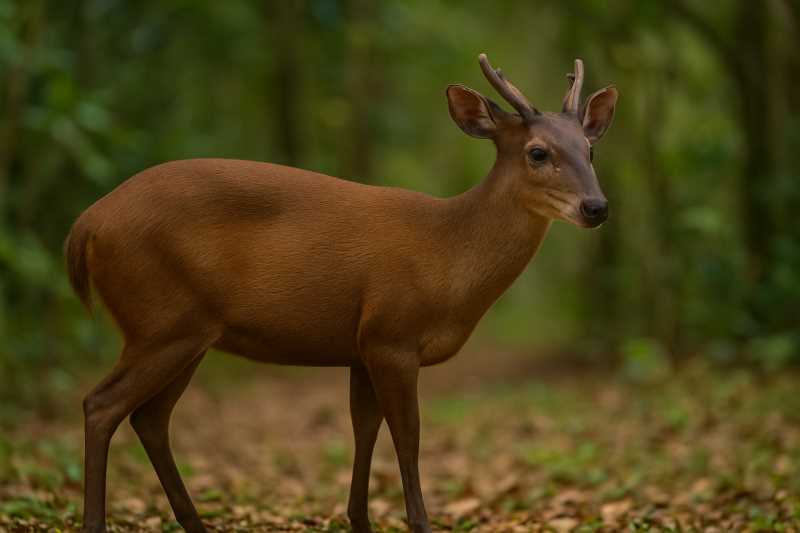
The Northern Brown Brocket is a small deer species, characterized by its compact and sturdy build. Adult brockets typically weigh between 15 to 30 kilograms (33 to 66 pounds) and stand about 50 to 70 centimeters (20 to 28 inches) at the shoulder. Their coat is a rich brown color, which provides excellent camouflage in their forested habitats. The fur is short and coarse, with a slightly lighter underbelly. They possess a relatively short tail and their antlers are simple and spike-like, typically found in males.
One of the most distinctive features of the Northern Brown Brocket is its large, expressive eyes, which aid in navigating the dimly lit forest environment. Their elongated ears are highly sensitive, helping them detect potential threats. Overall, their physical attributes are well-adapted to a life in dense, forested areas, where agility and stealth are crucial for survival.
Range and Habitat
The Northern Brown Brocket is primarily distributed across the northern regions of South America. Its range includes countries such as Brazil, Colombia, Venezuela, Guyana, Suriname, and French Guiana. These deer are typically found in tropical and subtropical forests, where they thrive in the dense understory.
Their habitat preferences include lowland rainforests, swamp forests, and occasionally, more open areas. They are well-adapted to both primary and secondary forests, indicating a level of tolerance to habitat degradation. The Northern Brown Brocket is a solitary and territorial species, often establishing a home range where it forages and rests.
Behavior and Diet
The Northern Brown Brocket is a primarily solitary animal, with interactions between individuals typically limited to mating and mother-offspring relationships. They are crepuscular, meaning they are most active during the dawn and dusk hours. This behavior helps them avoid predators and the midday heat.
Their diet consists mainly of a variety of plant materials, including leaves, fruits, and twigs. As opportunistic feeders, Northern Brown Brockets play a significant role in seed dispersal, thus aiding in plant regeneration within their habitat. Occasionally, they may also consume fungi and bark, especially when other food sources are scarce.
Identification Tips (Field Recognition Cues)
Identifying the Northern Brown Brocket in the wild can be challenging due to its elusive nature and excellent camouflage. However, there are several field recognition cues that can aid observers:
- Size and Build: Look for a small to medium-sized deer with a compact, sturdy build.
- Coloration: Their rich brown coat blends well with forest environments, but the lighter underbelly can be a distinguishing feature.
- Antlers: Males possess simple, straight antlers that are not branched.
- Behavior: They are most active during early morning and late afternoon, making these times ideal for observation.
- Habitat: Focus on dense, forested areas within their geographical range for the best chances of sighting.
Conservation Status (With Threats and Protections)
The Northern Brown Brocket is currently classified as "Least Concern" by the International Union for Conservation of Nature (IUCN). However, several threats pose risks to their populations. Habitat loss due to deforestation and land conversion for agriculture is a significant concern. Additionally, hunting for meat and sport poses a threat in some regions.
Conservation efforts for the Northern Brown Brocket include habitat protection through the establishment of protected areas and national parks. These efforts aim to preserve large tracts of forest, ensuring the survival of this species and others that depend on similar habitats. Legal protections and hunting regulations have also been implemented in several countries within their range to mitigate hunting pressures.
Frequently Asked Questions
What does the Northern Brown Brocket eat?
The Northern Brown Brocket primarily feeds on leaves, fruits, twigs, and occasionally fungi. As opportunistic feeders, they play a critical role in seed dispersal within their forest habitats.
Where can I find the Northern Brown Brocket?
The Northern Brown Brocket is found in the northern regions of South America, including Brazil, Colombia, and Venezuela. They inhabit tropical and subtropical forests, often in dense understory areas.
How does the Northern Brown Brocket contribute to its ecosystem?
The Northern Brown Brocket contributes to its ecosystem by aiding in seed dispersal through its diet. This process is essential for plant regeneration and maintaining the ecological balance within their habitats.
Why is the Northern Brown Brocket difficult to observe in the wild?
Due to their elusive nature, excellent camouflage, and crepuscular activity patterns, observing Northern Brown Brockets in the wild can be challenging. They are most active during dawn and dusk, which are the best times for observation.
What are the main threats to the Northern Brown Brocket?
The main threats to the Northern Brown Brocket include habitat loss due to deforestation and hunting for meat and sport. Conservation efforts focus on habitat protection and implementing hunting regulations.
Related posts