Introduction
The Sulawesi Soft-furred Rat, scientifically known as Eropeplus canus, is a fascinating mammal species endemic to the island of Sulawesi in Indonesia. This elusive rodent is a member of the family Muridae, which includes other well-known species such as mice and rats. Despite its relative obscurity compared to its more famous relatives, the Sulawesi Soft-furred Rat plays a crucial role in its ecosystem and offers valuable insights into the biodiversity of Sulawesi, an island renowned for its unique flora and fauna. This article delves into the physical characteristics, habitat preferences, behavior, and conservation status of this intriguing species, providing a comprehensive overview for enthusiasts and researchers alike.
Physical Description
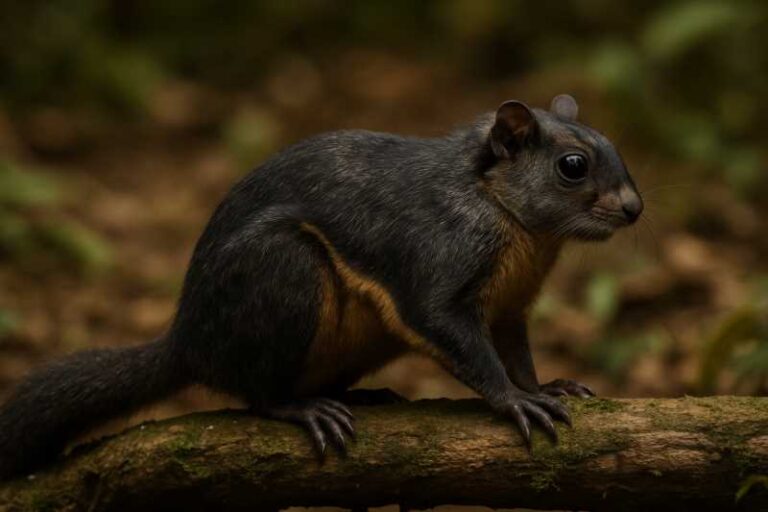
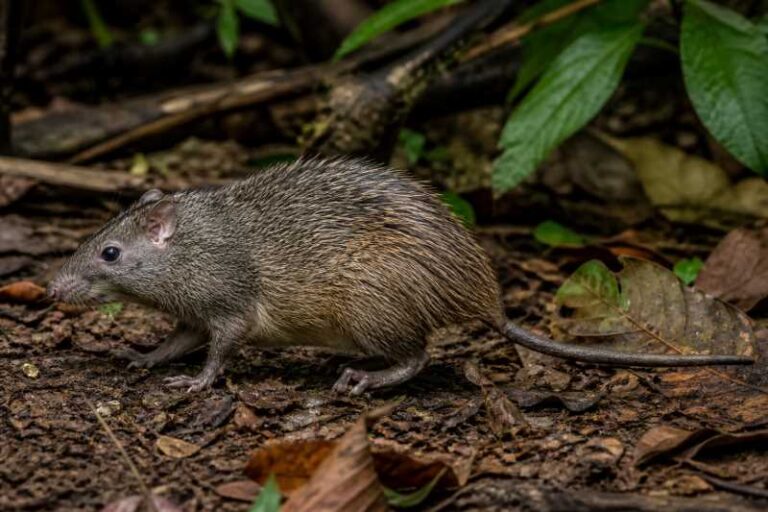
The Sulawesi Soft-furred Rat is named for its notably soft fur, which distinguishes it from many other rodent species. The fur is typically a grayish-brown color, blending seamlessly with the forest floor of its natural habitat. Adults typically measure between 15 and 20 centimeters in body length, with a tail that can extend an additional 10 to 15 centimeters. This tail is not only an extension of its body but also serves as an important tool for balance and navigation through its arboreal environment.
The rat’s ears are relatively small and rounded, aiding in its ability to detect predators and prey alike. Its eyes are adapted for nocturnal activity, allowing it to navigate and forage effectively in low-light conditions. The species has sharp, curved claws that are essential for climbing and gripping onto tree branches.
Range and Habitat
The Sulawesi Soft-furred Rat is endemic to the island of Sulawesi, which is part of the Indonesian archipelago. Its habitat is primarily concentrated in the montane forests of central Sulawesi, where it thrives in the dense, humid environment. These forests provide ample food resources and shelter, crucial for its survival.
The species is most commonly found at elevations ranging from 1,000 to 2,000 meters above sea level. This altitudinal preference is likely due to the cooler temperatures and reduced competition from lowland species. The dense canopy cover offers protection from predators and harsh weather conditions, while the forest floor provides abundant food sources.
Behavior and Diet
The Sulawesi Soft-furred Rat is primarily nocturnal, spending its nights foraging and exploring its environment. It is an omnivorous species, with a diet that includes fruits, seeds, insects, and small invertebrates. This varied diet allows the rat to adapt to seasonal changes in food availability, ensuring its survival year-round.
Socially, the Sulawesi Soft-furred Rat is solitary, with individuals establishing and defending their own territories. These territories are marked with scent markings, which play a crucial role in communication and mating. During the breeding season, males and females come together briefly to mate, after which the female raises the young independently.
Identification Tips (Field Recognition Cues)
Identifying the Sulawesi Soft-furred Rat in the wild can be challenging due to its elusive nature and nocturnal habits. However, there are several key features to look for:
- Soft Fur Texture: The rat’s distinctive soft fur is a primary identification feature. When observed closely, the fur appears plush and velvety.
- Coloration: Look for the characteristic grayish-brown coloration, which provides effective camouflage against the forest floor.
- Tail Length: Note the tail length, which is typically as long as or slightly longer than the body, aiding in balance and movement.
- Activity Patterns: Observations are most likely during night-time, given the species’ nocturnal nature.
- Habitat: Focus on montane forest regions at elevations of 1,000 to 2,000 meters, where the species is most commonly found.
Conservation Status (with Threats and Protections)
The conservation status of the Sulawesi Soft-furred Rat is currently classified as Data Deficient by the International Union for Conservation of Nature (IUCN). This classification highlights a significant gap in our understanding of the species’ population trends and ecological requirements.
Threats:
- Habitat Loss: Deforestation for agriculture and logging poses the most significant threat to the rat’s natural habitat.
- Climate Change: Changes in climate patterns could alter the montane forest ecosystems, impacting food availability and habitat stability.
- Predation: Introduced predators, such as domestic cats and dogs, increase predation pressure on the species.
Protections:
- Protected Areas: Several regions of Sulawesi are designated as protected areas, offering some level of habitat protection.
- Research Initiatives: Ongoing research aims to better understand the species’ ecology and inform conservation strategies.
Frequently Asked Questions
What is the natural habitat of the Sulawesi Soft-furred Rat?
The Sulawesi Soft-furred Rat primarily inhabits montane forests in central Sulawesi, Indonesia, at elevations between 1,000 and 2,000 meters. These forests provide the necessary resources and conditions for the species’ survival.
How does the Sulawesi Soft-furred Rat adapt to its environment?
The species adapts to its environment through its nocturnal behavior, arboreal lifestyle, and omnivorous diet, which allows it to exploit a wide range of food resources. Its soft fur and coloration provide camouflage, while its sharp claws facilitate climbing.
What are the main threats to the Sulawesi Soft-furred Rat?
The main threats include habitat loss due to deforestation, competition from invasive species, and climate change, which can alter its montane forest habitat.
How can I identify a Sulawesi Soft-furred Rat in the wild?
Look for its soft, grayish-brown fur, long tail, and nocturnal activity in montane forest regions of Sulawesi. Observations are best made during night-time when the species is active.
What conservation measures are in place for the Sulawesi Soft-furred Rat?
Conservation measures include habitat protection within designated areas, ongoing research to fill knowledge gaps, and efforts to mitigate the impacts of deforestation and climate change.
Related posts