Introduction
The Goytaca Rice Rat, scientifically known as Cerradomys goytaca, belongs to the genus Cerradomys within the family Cricetidae. This species is native to South America and is primarily found in the Brazilian biomes. Known for its adaptability, the Goytaca Rice Rat thrives in various habitats, contributing to its survival and ecological importance.
Physical Description
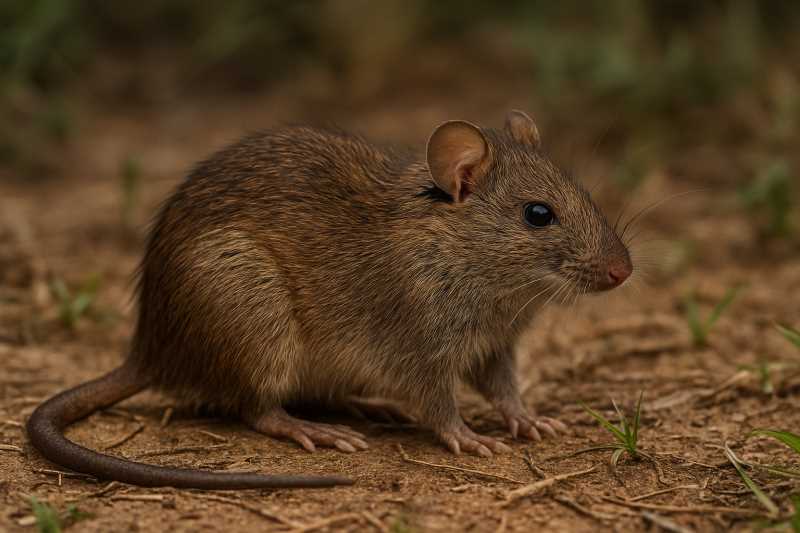
The Goytaca Rice Rat is a medium-sized rodent characterized by its distinctive fur and features. It typically has a body length ranging from 12 to 18 centimeters, with a tail that may almost equal the body length. The fur is generally a mix of brown and gray tones, providing excellent camouflage in its natural habitat. Its underbelly is lighter, often a pale gray or white. The sharp incisors are well-suited for gnawing, a common trait among rodents.
The rat’s ears are relatively small and rounded, aiding in its acute sense of hearing. Its eyes are adapted for nocturnal activities, reflecting its preference for night-time foraging. The paws are equipped with sharp claws, enabling the rat to dig and climb efficiently.
Range and Habitat
Cerradomys goytaca is endemic to Brazil, predominantly occupying the coastal Atlantic Forest and the Cerrado biome. These regions offer a mix of open savannas and dense forested areas, allowing the rat to exploit various ecological niches. The species thrives in environments that range from marshlands to dry forests, demonstrating its versatile habitat preferences.
The Goytaca Rice Rat is often found near water bodies, such as rivers and streams, which provide both food and safety from predators. Its adaptability to different habitats is a testament to its evolutionary success, although changes in land use pose significant challenges to its survival.
Behavior and Diet
The Goytaca Rice Rat is primarily nocturnal, engaging in most of its activities during the night. This behavior helps it avoid many predators while taking advantage of the cooler temperatures. It is a solitary animal, except during the breeding season.
Its diet is diverse, consisting mainly of seeds, fruits, and small invertebrates. This omnivorous diet allows the rat to adapt to seasonal changes in food availability. Foraging usually occurs on the ground, although the rat is also capable of climbing to access food sources.
Socially, the Goytaca Rice Rat is relatively solitary. Interaction with other individuals is minimal outside of mating periods. The breeding season is influenced by food availability and environmental conditions, typically resulting in multiple litters per year.
Identification Tips
Identifying the Goytaca Rice Rat in the field requires attention to specific physical and behavioral traits:
- Size and Coloration: Look for a medium-sized rodent with brown-gray fur and a lighter underbelly.
- Tail Length: The tail is almost equal in length to the body and is distinctly bicolored.
- Habitat: Found near water sources in Brazil’s Atlantic Forest and Cerrado.
- Activity Pattern: Active at night, often foraging on the ground.
These cues can help distinguish the Goytaca Rice Rat from other similar species in its range.
Conservation Status
The Goytaca Rice Rat is currently classified as "Data Deficient" by the International Union for Conservation of Nature (IUCN). This classification indicates that there is insufficient data on its population trends and threats, complicating conservation efforts.
Threats
The primary threats to the Goytaca Rice Rat include habitat destruction due to agricultural expansion, urban development, and deforestation. These activities fragment and reduce the available natural habitat, impacting the species’ ability to survive and reproduce.
Protections
Conservation efforts are focused on habitat preservation and restoration. Protected areas in the Atlantic Forest and Cerrado biome are crucial for maintaining viable populations. Additionally, research into the species’ ecology and population dynamics is essential for informed conservation strategies.
Frequently Asked Questions
1. Where is the Goytaca Rice Rat found? The Goytaca Rice Rat is found in Brazil, mainly in the Atlantic Forest and Cerrado biomes, thriving in diverse habitats from marshlands to dry forests.
2. What does the Goytaca Rice Rat eat? It is omnivorous, feeding on seeds, fruits, and small invertebrates, which allows it to adapt to different food availabilities throughout the year.
3. How does the Goytaca Rice Rat adapt to its environment? Its adaptability is evident in its nocturnal behavior, varied diet, and habitat selection, ranging from forested areas to open savannas near water bodies.
4. What are the main threats to the Goytaca Rice Rat? The main threats are habitat destruction due to urbanization, agriculture, and deforestation, which fragment and degrade its natural environments.
5. How can the Goytaca Rice Rat be identified in the wild? Look for its medium size, brown-gray fur, long tail, and nocturnal foraging behavior in habitats near water sources within its range.
Related posts