Introduction
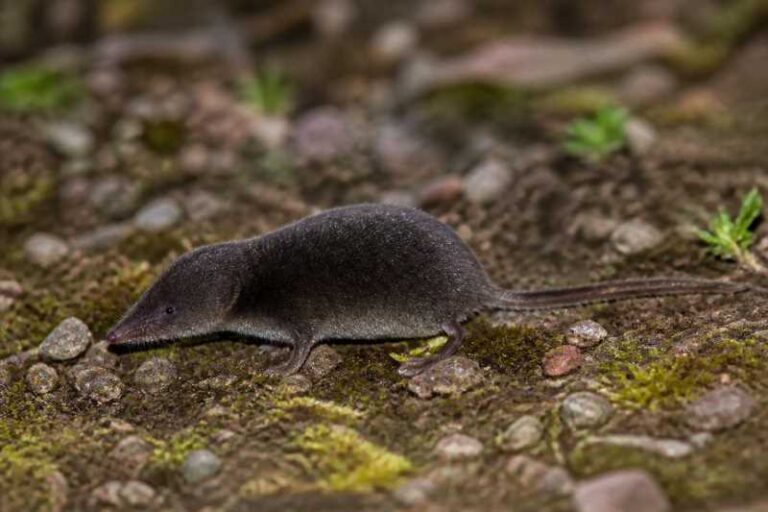
The Lesser Anomalure (Anomalurus pusillus) is a fascinating yet lesser-known mammal species residing primarily in the dense forests of Central and West Africa. This small, nocturnal gliding rodent is part of the Anomaluridae family, which is often referred to as "scaly-tailed squirrels" due to their unique tail structure. Known for their gliding ability, these mammals have intrigued scientists and nature enthusiasts alike. In this article, we delve into the intricate details of the Lesser Anomalure, examining its physical characteristics, habitat, behavior, diet, and conservation status.
Physical Description
The Lesser Anomalure is a small to medium-sized rodent, typically measuring between 25 to 30 centimeters in body length, with an additional tail length of around 20 to 25 centimeters. One of the most striking features of the Lesser Anomalure is its patagium—a membrane stretching from the forelimbs to the hindlimbs, which enables it to glide between trees. This adaptation is crucial for its arboreal lifestyle, allowing it to move efficiently in the forest canopy.
The fur of the Lesser Anomalure is soft and dense, primarily grey or brown, providing excellent camouflage against tree bark and foliage. The "scaly-tailed" moniker comes from the unique arrangement of scales at the base of the tail, which provide extra grip when climbing. The head of the Lesser Anomalure is characterized by large, round eyes adapted for nocturnal vision, and its ears are small and rounded.
Range and Habitat
The Lesser Anomalure is predominantly found in the tropical rainforests of Central and West Africa. Its range includes countries such as Cameroon, Gabon, the Republic of Congo, and the Democratic Republic of Congo. These regions provide the dense canopy cover and abundant resources necessary for the species’ survival.
This species thrives in primary and secondary forests, where it can exploit the vertical space available. The Lesser Anomalure is an arboreal mammal, meaning it spends most of its life in trees, rarely descending to the forest floor. This habitat preference is crucial for avoiding predators and accessing its primary food sources.
Behavior and Diet
The Lesser Anomalure is a nocturnal creature, conducting most of its activities under the cover of darkness. This behavior helps minimize predation risks and competition for resources. During the day, it rests in tree hollows or nests made from leaves and twigs, often sharing these spaces with other individuals.
Its diet is primarily herbivorous, consisting of fruits, leaves, flowers, and bark. The Lesser Anomalure plays an important role in seed dispersal, contributing to the health and regeneration of its forest habitat. Occasionally, it may consume insects or other small invertebrates, providing a source of protein.
Identification Tips (Field Recognition Cues)
Identifying the Lesser Anomalure in the wild can be challenging due to its nocturnal habits and arboreal lifestyle. However, there are several cues that can aid in its identification:
- Gliding Behavior: The most distinctive feature is its ability to glide. Observing an animal that moves effortlessly between trees can indicate the presence of the Lesser Anomalure.
- Patagium: Look for the characteristic membranous skin between limbs when the animal is at rest or gliding.
- Tail Scales: The unique scales at the base of the tail are a key identifying feature, often visible when the animal is climbing.
- Vocalizations: The Lesser Anomalure is known to produce a range of vocal sounds at night, which may be heard before the animal is seen.
Conservation Status (with Threats and Protections)
The Lesser Anomalure is currently listed as "Least Concern" on the IUCN Red List. However, like many forest-dwelling species, it faces significant threats from habitat destruction, primarily due to logging, agriculture, and human settlement expansion. These activities lead to fragmentation of its natural habitat, making it increasingly difficult for populations to thrive.
Conservation efforts are crucial to ensuring the survival of the Lesser Anomalure. Protected areas and national parks within its range offer some refuge from habitat destruction. Additionally, reforestation efforts and sustainable logging practices are vital in maintaining the ecological balance necessary for this species’ survival.
Frequently Asked Questions
1. What is the primary habitat of the Lesser Anomalure?
The Lesser Anomalure primarily inhabits the tropical rainforests of Central and West Africa, favoring dense forest canopies for its arboreal lifestyle.
2. How does the Lesser Anomalure contribute to its ecosystem?
By feeding on fruits and dispersing seeds, the Lesser Anomalure plays a crucial role in forest regeneration and maintaining ecological balance.
3. Are Lesser Anomalures social animals?
Yes, Lesser Anomalures are known to share tree hollows or nests, indicating a degree of social behavior, especially during resting periods.
4. What are the main threats to the Lesser Anomalure?
The primary threats include habitat destruction due to logging, agriculture, and human settlement, leading to habitat fragmentation and population decline.
5. How can we help in the conservation of the Lesser Anomalure?
Supporting conservation initiatives, protecting forest habitats, and promoting sustainable land use practices can help in conserving the Lesser Anomalure populations.
Related posts