Introduction
The Malagasy Myotis, scientifically known as Myotis goudotii, is a fascinating bat species endemic to the unique and biodiverse island of Madagascar. Part of the Vespertilionidae family, this species plays a crucial role in the island’s ecosystem. Like its relatives, the Malagasy Myotis is an insectivorous bat, contributing significantly to controlling insect populations. As a species confined to Madagascar, its survival is intricately linked to the island’s environmental health and conservation practices. In this article, we delve into the various aspects of the Malagasy Myotis, from its physical characteristics to its behavior, habitat, and conservation status.
Physical Description
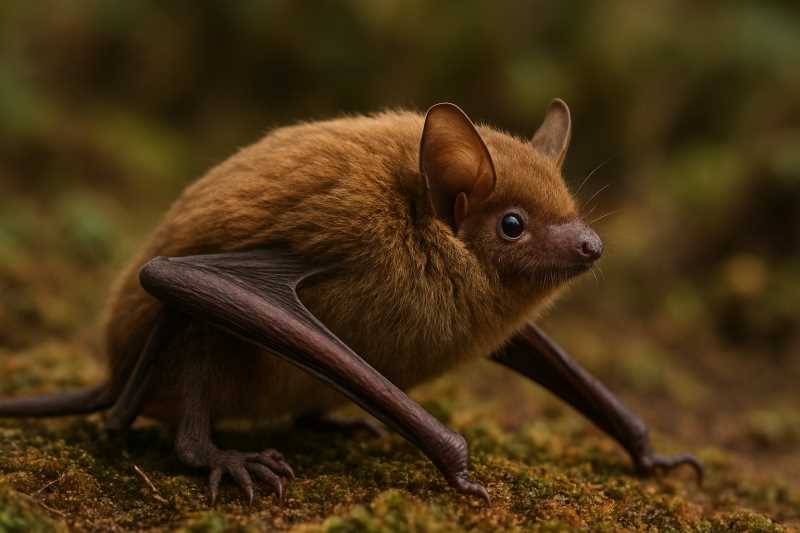
The Malagasy Myotis is a small bat, with body lengths typically ranging from 4 to 5 centimeters and a wingspan extending up to 29 centimeters. Its weight varies between 4 and 7 grams, reflecting its delicate and lightweight structure, ideal for agile flight. The fur of Myotis goudotii is generally a muted brown, providing effective camouflage against the bark of trees and the cave walls where it often roosts. The underbelly is slightly paler, which is common in many bat species. Their ears are relatively large and rounded, a characteristic feature of the Myotis genus, aiding in echolocation which is essential for navigation and hunting in the dark.
Range and Habitat
Endemic to Madagascar, the Malagasy Myotis is found in a variety of habitats across the island, from coastal areas to inland forests. The species exhibits a preference for lowland and montane forests but is also found in dry deciduous forests and savannas. Their roosting sites are predominantly in caves, tree hollows, and sometimes in man-made structures such as abandoned buildings. The adaptability of the Malagasy Myotis to different environmental conditions is a testament to the species’ resilience, although habitat destruction poses a significant threat.
Behavior and Diet
As a nocturnal species, the Malagasy Myotis is active during the night, primarily from dusk until dawn. The bat’s behavior is largely characterized by its nocturnal foraging habits, where it uses echolocation to hunt for insects. Its diet consists mainly of moths, beetles, and other small flying insects, which it captures in flight. Socially, the Malagasy Myotis is known to form small colonies, often comprising a few dozen individuals. These colonies are vital for thermoregulation and protection, as communal roosting helps conserve energy and ward off predators.
Identification Tips (Field Recognition Cues)
Spotting a Malagasy Myotis in its natural habitat requires keen observation and knowledge of its distinguishing features. Here are some tips for identifying this species in the field:
- Size and Shape: Look for a small bat with a wingspan up to 29 centimeters and a length of 4 to 5 centimeters.
- Coloration: Note the brown fur with a paler underbelly, which can blend well with the surroundings.
- Echolocation Sounds: Use a bat detector to pick up high-frequency echolocation calls, which are typical of insectivorous bats.
- Roosting Sites: Search in caves, hollow trees, and sometimes old buildings, particularly in forested areas.
- Flight Pattern: Observe their agile and erratic flight, a common characteristic when hunting insects.
Conservation Status (With Threats and Protections)
The conservation status of the Malagasy Myotis is currently classified as Least Concern by the International Union for Conservation of Nature (IUCN). However, this status does not eliminate the potential risks the species faces. Habitat destruction, primarily due to deforestation and land conversion for agriculture, poses a significant threat. Additionally, climate change impacts and human disturbances in roosting areas further exacerbate these challenges.
Conservation efforts are crucial to ensure the survival of the Malagasy Myotis. Protecting natural habitats through the establishment of protected areas and promoting sustainable land-use practices are vital strategies. Moreover, raising awareness about the importance of bats in ecosystems can help reduce human-wildlife conflicts and promote conservation initiatives.
Frequently Asked Questions
- What is the primary diet of the Malagasy Myotis?
The Malagasy Myotis primarily feeds on insects, including moths and beetles. Its insectivorous diet is facilitated by its echolocation ability to hunt and capture prey in the dark.
- Where can the Malagasy Myotis be found?
This bat species is endemic to Madagascar and can be found in various habitats across the island, including lowland and montane forests, dry deciduous forests, and savannas.
- How does the Malagasy Myotis contribute to its ecosystem?
As an insectivorous bat, the Malagasy Myotis plays a vital role in controlling insect populations, which helps maintain ecological balance and reduces the spread of insect-borne diseases.
- What are the threats facing the Malagasy Myotis?
The primary threats include habitat destruction due to deforestation, land conversion for agriculture, climate change, and human disturbances in roosting sites.
- How can the Malagasy Myotis be conserved?
Conservation efforts focus on protecting natural habitats, establishing protected areas, promoting sustainable land-use practices, and raising awareness about the ecological importance of bats.
Related posts