Introduction
The Small Luzon Forest Mouse, scientifically known as Apomys microdon, is a captivating yet lesser-known mammalian species endemic to the island of Luzon in the Philippines. As a member of the family Muridae, this species of rodent plays a crucial role in the rich tapestry of Luzon’s forest ecosystems. Despite its diminutive size, the Small Luzon Forest Mouse is an important subject of study for biologists and conservationists due to its unique ecological niche and the growing threats it faces from habitat loss and environmental changes.
Physical Description
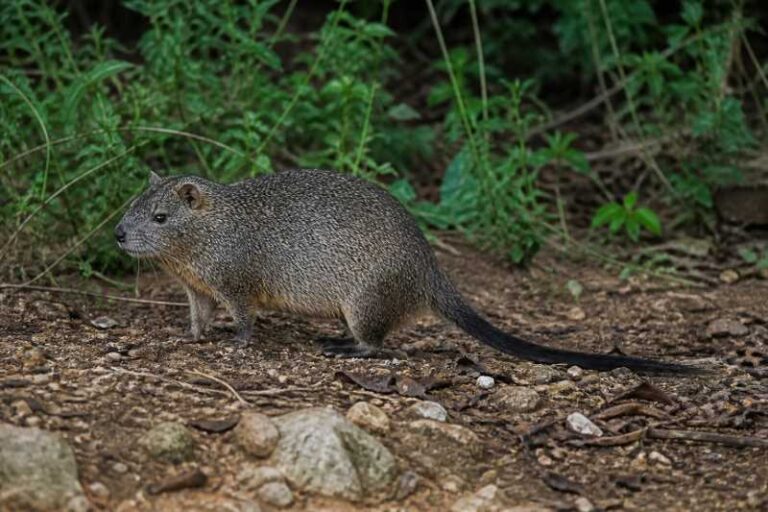
The Small Luzon Forest Mouse is characterized by its compact size and distinctive physical features. Adult mice typically weigh between 15 to 25 grams and measure approximately 65 to 100 millimeters in body length, with a tail length ranging from 70 to 110 millimeters. Their fur is generally soft and dense, displaying a brown or grayish-brown coloration on the dorsal side, which provides excellent camouflage against the forest floor. The ventral side is usually a lighter, whitish-gray. One of the defining features of Apomys microdon is its small, rounded ears and relatively short limbs, which aid in its agile movements through dense underbrush. Its name "microdon" refers to the small teeth that are adapted for its varied diet.
Range and Habitat
The Small Luzon Forest Mouse is endemic to Luzon, the largest island in the Philippines. It is primarily found in the montane and mossy forests that cover the island’s mountainous regions. These forests provide a humid and cool environment, which is ideal for the species. The elevation range for this mouse generally spans from 400 to 2,400 meters above sea level, with a preference for areas that have dense understory vegetation and abundant leaf litter. Such habitats not only offer ample food resources but also provide shelter and protection from predators.
Behavior and Diet
Apomys microdon is a nocturnal animal, predominantly active during the night when it forages for food. Its diet is omnivorous, consisting of a variety of seeds, fruits, insects, and other small invertebrates found on the forest floor. The species plays a significant role in seed dispersal, which is vital for maintaining the biodiversity of its habitat. Socially, the Small Luzon Forest Mouse tends to be solitary or found in small family groups, with limited evidence of large-scale social structures. Their nests are typically located in burrows or dense vegetation, constructed from gathered plant material.
Identification Tips (field recognition cues)
Identifying the Small Luzon Forest Mouse in the field can be challenging due to its elusive nature and the dense habitats it occupies. However, several cues can aid in its identification:
- Size and Shape: Look for a small rodent with a body length of 65 to 100 millimeters, distinguishable from larger forest rodents.
- Coloration: Note the brown to grayish-brown dorsal fur and lighter ventral side.
- Tail Length: A tail that is longer than the body is a distinctive feature.
- Ear Shape: Small, rounded ears are characteristic of the species.
- Behavior: Active primarily at night, sightings are more common during dusk or dawn.
Conservation Status (with threats and protections)
The conservation status of the Small Luzon Forest Mouse is currently listed as "Least Concern" by the International Union for Conservation of Nature (IUCN). However, this designation does not imply that the species is free from threats. Habitat destruction due to logging, agricultural expansion, and urban development poses significant risks. Additionally, climate change and the introduction of invasive species further threaten the delicate balance of its ecosystem. Conservation efforts are underway to mitigate these threats, including the establishment of protected areas and the promotion of sustainable forest management practices. Continued research and monitoring are essential to ensure the long-term survival of this unique species.
Frequently Asked Questions
What is the diet of the Small Luzon Forest Mouse? The Small Luzon Forest Mouse is omnivorous, feeding on seeds, fruits, insects, and small invertebrates. This varied diet helps it adapt to seasonal changes in food availability.
Where can the Small Luzon Forest Mouse be found? This species is endemic to the island of Luzon in the Philippines, primarily inhabiting montane and mossy forests at elevations of 400 to 2,400 meters.
How does the Small Luzon Forest Mouse contribute to its ecosystem? The species plays a crucial role in seed dispersal, which is vital for forest regeneration and maintaining biodiversity within its habitat.
What are the main threats to the Small Luzon Forest Mouse? The primary threats include habitat destruction due to logging, agriculture, urbanization, climate change, and competition from invasive species.
How can one identify the Small Luzon Forest Mouse in the wild? Key identification features include its small size, brown to grayish-brown fur, a tail longer than its body, and small, rounded ears.
Related posts