Nicaraguan Woolly Mouse Opossum (Marmosa nicaraguae)
Introduction
The Nicaraguan Woolly Mouse Opossum, scientifically known as Marmosa nicaraguae, is a fascinating marsupial species that inhabits the lush landscapes of Central America. This species is part of the Didelphidae family, which includes a variety of opossum species. Known for its distinct woolly fur and agile nature, the Nicaraguan Woolly Mouse Opossum is an intriguing subject of study for both scientists and wildlife enthusiasts. This article delves into the intricate details of its physical appearance, habitat, behavior, and conservation status, offering a comprehensive guide to understanding this unique mammal.
Physical Description
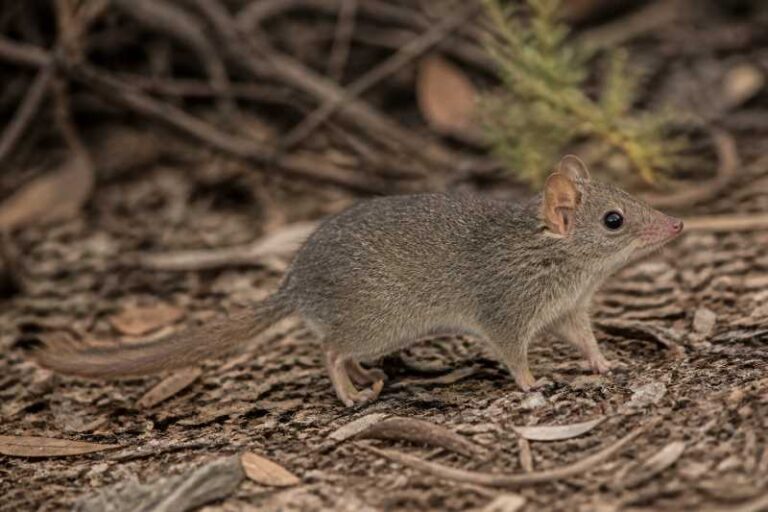
The Nicaraguan Woolly Mouse Opossum is a small marsupial characterized by its soft, woolly fur, which provides the species with its common name. The fur is generally a grayish-brown color on the dorsal side, while the ventral side is lighter, often appearing white or cream-colored. This opossum has a long prehensile tail, which aids in climbing and balancing in its arboreal habitat.
Adult Nicaraguan Woolly Mouse Opossums typically measure between 10 to 15 centimeters in body length, with tails that can be equally long, if not longer, than their bodies. They possess large, dark eyes adapted for nocturnal vision, and their ears are notably large and rounded, enhancing their acute sense of hearing. Their small, pointed snout and dexterous front paws make them adept foragers in their natural environment.
Range and Habitat
Marmosa nicaraguae is predominantly found in Nicaragua, as its name suggests, but its range may extend into neighboring countries such as Honduras and Costa Rica. This species thrives in lowland tropical forests and is often associated with dense, humid environments that provide ample cover and abundant food resources.
These opossums are arboreal by nature, spending most of their time in the trees. They are well adapted to life in the canopy, where they can find a variety of fruits, insects, and small vertebrates. The forested regions they inhabit are crucial for their survival, offering both shelter and sustenance.
Behavior and Diet
The Nicaraguan Woolly Mouse Opossum is primarily nocturnal, with most of its activity occurring after dusk. This nocturnal lifestyle helps the species avoid many predators while capitalizing on the abundance of nighttime prey. They are solitary creatures, usually coming together only for mating purposes.
Their diet is omnivorous, comprising a balanced mix of fruits, insects, small invertebrates, and occasionally small vertebrates. The opossum’s diet may vary based on seasonal availability of food resources. Their sharp teeth and keen sense of smell are crucial for locating and consuming a diverse range of food items.
Identification Tips (Field Recognition Cues)
Identifying the Nicaraguan Woolly Mouse Opossum in the field can be challenging due to its nocturnal habits and arboreal lifestyle. However, several key features can aid in its recognition:
- Fur Texture and Color: Look for the characteristic woolly texture of the fur, with its grayish-brown dorsal side and lighter ventral side.
- Tail: The long, prehensile tail is a notable feature, often used for balancing and grasping branches.
- Ears and Eyes: Large, rounded ears and big, dark eyes are adaptations for nocturnal activity.
- Size: Their small size, comparable to a mouse, can help differentiate them from other opossums.
- Behavior: Observing their arboreal movement at night can serve as a behavioral cue.
Conservation Status (With Threats and Protections)
The conservation status of the Nicaraguan Woolly Mouse Opossum is currently not well-documented, largely due to its elusive nature and the challenges in studying the species in its natural habitat. However, like many tropical forest-dwelling species, it faces threats from habitat destruction and deforestation.
The primary threat to its survival is the loss of forested areas due to logging, agriculture, and urban expansion. This habitat fragmentation can lead to population declines as the opossum’s natural environment becomes increasingly scarce.
Conservation efforts for the Nicaraguan Woolly Mouse Opossum would benefit from broader initiatives aimed at preserving tropical forest habitats in Central America. Protecting these ecosystems not only aids this species but also supports biodiversity and ecological balance in the region.
Frequently Asked Questions
1. What does the Nicaraguan Woolly Mouse Opossum eat? The Nicaraguan Woolly Mouse Opossum has an omnivorous diet that includes fruits, insects, and small vertebrates. They rely on their keen senses to forage in the forest canopy.
2. Where can I find the Nicaraguan Woolly Mouse Opossum? This species is primarily found in the lowland tropical forests of Nicaragua, but it may also inhabit areas in Honduras and Costa Rica, favoring dense, humid environments.
3. How does the Nicaraguan Woolly Mouse Opossum adapt to its environment? The opossum’s adaptations include a prehensile tail for climbing, large eyes for nocturnal vision, and woolly fur for insulation against the tropical climate.
4. What are the main threats to the Nicaraguan Woolly Mouse Opossum? The primary threats include habitat loss due to deforestation and human encroachment, which reduce the availability of their natural environment and resources.
5. How can we help conserve the Nicaraguan Woolly Mouse Opossum? Conservation efforts should focus on protecting tropical forest habitats and promoting sustainable land-use practices to ensure the survival of this and other forest-dependent species.
Related posts