Introduction
Ward’s Long-eared Bat, scientifically known as Plecotus wardi, is a fascinating mammal species that belongs to the Vespertilionidae family. This small, nocturnal creature is renowned for its distinctively long ears, which not only contribute to its unique appearance but also play a crucial role in its echolocation abilities. This bat species is an integral part of the ecosystem, helping to control insect populations and pollinate certain plants.
Physical Description
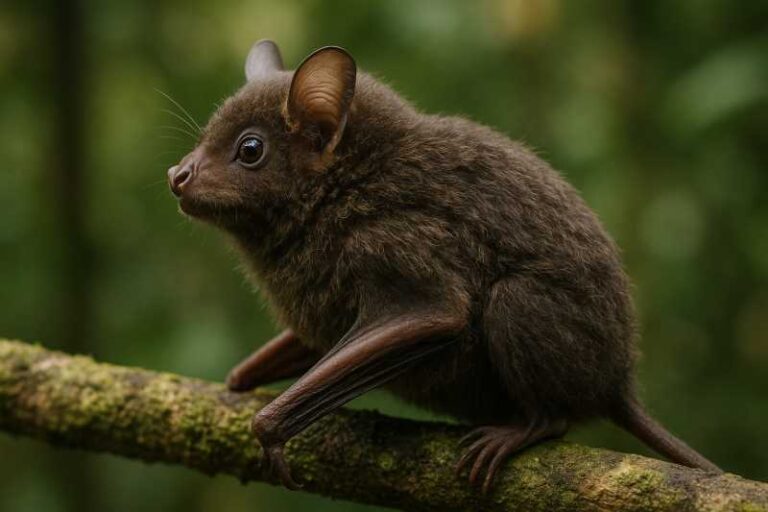
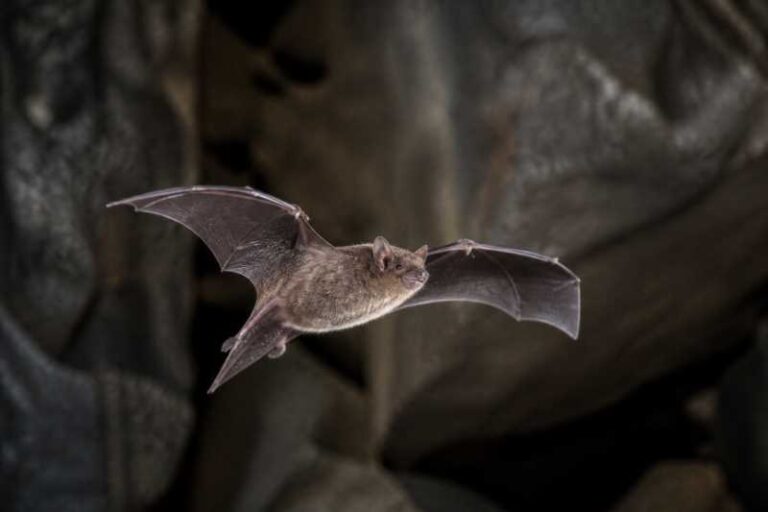
Ward’s Long-eared Bat is distinguished by its remarkably long ears, which can measure nearly as long as its body. The ears are typically about 30 to 40 millimeters in length, allowing the bat to have exceptional hearing capabilities. The body length ranges from 40 to 55 millimeters, and the wingspan stretches out to about 250 to 290 millimeters.
The fur of Plecotus wardi is usually a mix of grey and brown, with the underparts being lighter. This coloration provides excellent camouflage against tree bark and rocky surfaces. The bat’s face is characterized by a slight, upturned snout and relatively large, dark eyes, which, although not as crucial as their ears, aid in low-light vision.
Range and Habitat
Ward’s Long-eared Bat is primarily found in various parts of Asia, including regions in the Himalayas and parts of Northern India. They inhabit a range of altitudes, from lowland forests to high mountainous regions, demonstrating a remarkable adaptability to different environmental conditions.
These bats prefer roosting in tree hollows, caves, and sometimes in old, abandoned buildings. They are particularly fond of temperate forests, where they find both shelter and an abundant food supply. The diverse habitat preferences of Plecotus wardi help them to thrive in various ecological niches.
Behavior and Diet
The nocturnal nature of Ward’s Long-eared Bat means that it is most active during the night. They emerge from their roosts shortly after sunset to begin foraging. Their diet primarily consists of insects, including moths, beetles, and flies. Using their keen sense of hearing and echolocation, they can detect and capture prey with remarkable precision.
Echolocation is facilitated by their large ears, which provide superior auditory input, allowing them to navigate and hunt even in complete darkness. These bats emit high-frequency calls that bounce off objects and return to them as echoes, helping them to build a spatial map of their surroundings.
Identification Tips (Field Recognition Cues)
Identifying Ward’s Long-eared Bat in the field can be simplified by focusing on a few key characteristics:
- Ears: Look for exceptionally long ears relative to the bat’s body size. This is one of the most distinguishing features.
- Coloration: Observe the grey-brown fur that provides camouflage against natural surfaces.
- Size: Note the relatively small body size and a wingspan that is modest compared to other bat species.
- Behavior: Watch for their unique flight pattern, which is often slow and deliberate, allowing them to hover and make precise movements to capture prey.
Conservation Status (With Threats and Protections)
Currently, Ward’s Long-eared Bat is not listed as a threatened species by the International Union for Conservation of Nature (IUCN). However, like many bat species, it faces several anthropogenic threats that could impact its population in the future.
Threats
- Habitat Loss: Deforestation and land conversion for agriculture or urban development can reduce the available roosting and foraging habitats.
- Pollution: Pesticides and other pollutants can diminish insect populations, which make up the bat’s primary food source.
- Climate Change: Altered weather patterns can affect the availability of food and suitable roosting sites.
Protections
Efforts to protect Ward’s Long-eared Bat include preserving natural habitats and implementing conservation measures in regions where they are known to reside. Environmental organizations and governments are encouraged to monitor bat populations and promote awareness about the ecological importance of bats.
Frequently Asked Questions
What does Ward’s Long-eared Bat eat?
Ward’s Long-eared Bat primarily feeds on insects such as moths, beetles, and flies. Their diet is facilitated by their exceptional echolocation abilities, allowing them to hunt efficiently at night.
Where can Ward’s Long-eared Bat be found?
This bat species is found in parts of Asia, particularly in the Himalayan regions and Northern India. They inhabit both lowland and mountainous forests, as well as caves and old buildings.
How does Ward’s Long-eared Bat navigate at night?
Ward’s Long-eared Bat uses echolocation to navigate and hunt in the dark. They emit high-frequency calls that bounce off objects, returning as echoes, which helps them to build a spatial map of their surroundings.
Why are Ward’s Long-eared Bats important to the ecosystem?
These bats play a crucial role in controlling insect populations and are important pollinators for certain plant species. Their presence indicates a healthy ecosystem.
Are Ward’s Long-eared Bats endangered?
Currently, Ward’s Long-eared Bat is not considered endangered. However, they face threats from habitat loss, pollution, and climate change, which could impact their populations in the future.
Related posts