Introduction
Weber’s Dwarf Squirrel, scientifically known as Prosciurillus weberi, is a fascinating species of squirrel endemic to the island of Sulawesi in Indonesia. This diminutive mammal is part of the Sciuridae family, which includes other tree squirrels, ground squirrels, and flying squirrels. As a lesser-known species, Weber’s Dwarf Squirrel presents unique ecological and conservational intrigue, offering insights into the biodiversity of Southeast Asia’s forests. This article aims to provide a comprehensive overview of Prosciurillus weberi, covering its physical description, habitat, behavior, diet, and conservation status, along with tips for identification in the wild.
Physical Description
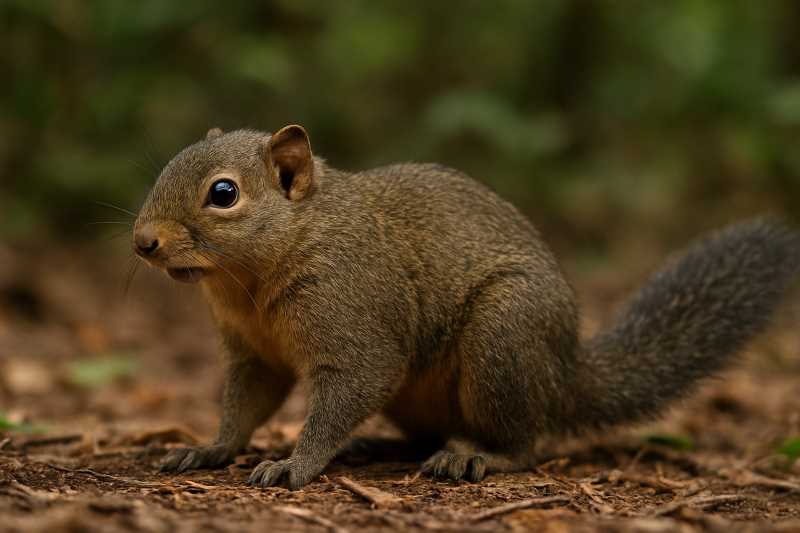
Weber’s Dwarf Squirrel is characterized by its small size and distinctive features that set it apart from other squirrel species. Adults typically measure between 15 and 20 centimeters in length, including the tail, with the tail itself comprising a significant portion of this measurement. They weigh approximately 200 to 250 grams, making them one of the smaller members of their genus.
The fur of Prosciurillus weberi is predominantly grayish-brown with subtle variations that help it blend into the forest environment. The ventral side is usually lighter, often a pale cream or buff color. Its bushy tail is slightly darker than the body, providing a counterbalance as it navigates through the trees. The ears are small and rounded, lacking the tufts seen in some other squirrel species.
Range and Habitat
Weber’s Dwarf Squirrel is exclusively found on the Indonesian island of Sulawesi. Its range is limited to the central and northern parts of the island, where it inhabits tropical and subtropical forests. These environments provide the dense canopy coverage and diverse flora that are essential for the squirrel’s survival.
The species is particularly adapted to living in primary and secondary forests, preferring areas with abundant tree cover that offer safety from predators and ample food resources. The dense forest canopy is crucial, as it allows the squirrels to move freely and forage for food while remaining relatively hidden from potential threats.
Behavior and Diet
Prosciurillus weberi is diurnal, meaning it is active during the day. It spends much of its time foraging for food, which consists primarily of seeds, fruits, and nuts. The squirrel has also been known to consume insects and small invertebrates, showcasing its opportunistic feeding habits.
Weber’s Dwarf Squirrel is arboreal, spending most of its life in the trees. It exhibits remarkable agility, leaping from branch to branch with precision. This arboreal lifestyle not only aids in foraging but also provides a strategic advantage in avoiding ground-based predators.
Socially, these squirrels are relatively solitary creatures, although they may be seen foraging in small groups, especially during the abundant fruiting seasons. Communication amongst these squirrels involves a variety of vocalizations and physical gestures, primarily used to warn others of potential threats or to establish territorial boundaries.
Identification Tips (Field Recognition Cues)
Identifying Weber’s Dwarf Squirrel in the wild requires attention to both physical and behavioral cues:
- Size and Shape: Look for a small, agile squirrel with a total length of 15-20 cm. The bushy tail is a key feature.
- Coloration: Note the grayish-brown fur with lighter underparts. The tail is often darker than the body.
- Habitat: Focus on tropical forests in central and northern Sulawesi, particularly areas with dense tree cover.
- Behavior: Observe their diurnal activity and agile movements in the canopy.
- Vocalizations: Listen for distinctive calls, which can indicate their presence even if they are not immediately visible.
Conservation Status (with Threats and Protections)
The conservation status of Weber’s Dwarf Squirrel is currently listed as Data Deficient by the International Union for Conservation of Nature (IUCN). This classification highlights the need for further research into the species’ population size, distribution, and ecological needs.
Threats
- Habitat Loss: Deforestation for agriculture, logging, and development poses the greatest threat to their habitat.
- Hunting: Although not commonly targeted, hunting for food and the pet trade can impact populations.
- Climate Change: Alterations in temperature and precipitation patterns can affect their habitat and food availability.
Protections
- Protected Areas: Some of Sulawesi’s forests are designated as protected areas, which offer some level of habitat conservation.
- Conservation Programs: Efforts by local and international organizations aim to preserve the island’s biodiversity, including Prosciurillus weberi.
Conservationists emphasize the importance of habitat preservation and further studies to facilitate effective conservation strategies.
Frequently Asked Questions
What is the main diet of Weber’s Dwarf Squirrel?
Weber’s Dwarf Squirrel primarily feeds on seeds, fruits, and nuts, but it may also consume insects and small invertebrates. Its diet is adapted to the resources available in its forest habitat.
Where can Weber’s Dwarf Squirrel be found?
This species is endemic to the island of Sulawesi in Indonesia, specifically in the central and northern regions where dense tropical forests provide its natural habitat.
How does Weber’s Dwarf Squirrel avoid predators?
Weber’s Dwarf Squirrel avoids predators through its arboreal lifestyle, agility, and use of the forest canopy for cover. It also employs vocalizations to warn others of danger.
Is Weber’s Dwarf Squirrel endangered?
While its conservation status is currently Data Deficient, habitat loss and other threats could potentially endanger the species if not addressed. Conservation efforts are crucial for its protection.
What are the main threats to Weber’s Dwarf Squirrel?
The primary threats include habitat loss due to deforestation, hunting, and the impacts of climate change. Conservation measures are needed to mitigate these threats.
Related posts