Lesser Asian False-vampire (Megaderma spasma): An In-depth Exploration
Introduction
The Lesser Asian False-vampire, scientifically known as Megaderma spasma, is a captivating species of bat that inhabits various parts of Asia. Despite its ominous name, this bat is not a vampire and does not feed on blood. Instead, it has a diet that includes insects and small vertebrates, making it an essential player in maintaining ecological balance. In this article, we will delve into the fascinating world of the Lesser Asian False-vampire, exploring its physical characteristics, habitat, behavior, and more.
Physical Description
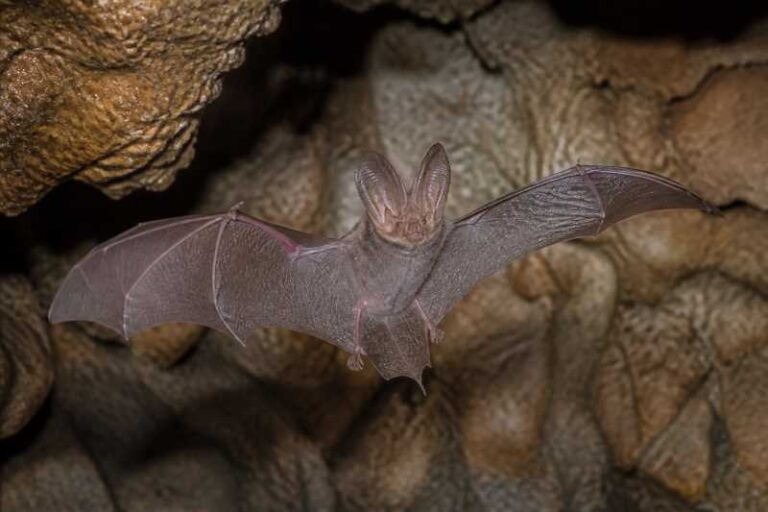
The Lesser Asian False-vampire is a medium-sized bat with a wingspan ranging from 35 to 45 centimeters. It typically weighs between 40 to 50 grams. One of its most distinguishing features is its large, broad ears that are connected at the base, providing excellent echolocation capabilities. Its nose-leaf, a structure which aids in directing sound, is prominent and spear-shaped, adding to its unique appearance.
The fur of Megaderma spasma is soft and dense, exhibiting a range of colors from bluish-grey to brown, providing excellent camouflage within its natural habitat. The underbelly tends to be lighter, often appearing in shades of greyish-white.
Range and Habitat
The Lesser Asian False-vampire is found throughout South and Southeast Asia. Its range extends across countries such as India, Sri Lanka, Myanmar, Thailand, Malaysia, Indonesia, and the Philippines. This bat prefers habitats that offer both roosting and feeding opportunities, such as tropical and subtropical forests, mangroves, and caves.
Roosting sites are often located in caves, old buildings, and hollow trees, where the bats can find shelter from predators and extreme weather conditions. These sites are crucial for their survival, as they provide a safe environment for resting and nurturing their young.
Behavior and Diet
Megaderma spasma exhibits nocturnal behavior, emerging at dusk to forage. Unlike the true vampire bats, the Lesser Asian False-vampire does not feed on blood but instead preys on a variety of insects and small vertebrates, including frogs, lizards, and even other bats. Its hunting technique involves sophisticated echolocation to locate prey, followed by a swift and agile capture using its sharp teeth.
Socially, these bats are known to roost in small colonies, although solitary roosting has also been observed. Communication within the species is facilitated through a series of vocalizations and echolocation clicks, which serve to coordinate movements and signal potential threats.
Identification Tips (Field Recognition Cues)
Identifying the Lesser Asian False-vampire in the field can be a rewarding challenge. Here are some key cues to help:
- Ears: Look for the large, broad ears connected at the base, a distinctive feature among bats.
- Nose-leaf: The prominent spear-shaped nose-leaf is a unique characteristic.
- Fur Color: Observe the bluish-grey to brown fur, with a lighter underbelly.
- Flight Pattern: Watch for their agile flight at dusk, often low to the ground as they hunt.
- Roosting Sites: Check caves, hollow trees, and old buildings, especially in tropical regions.
Conservation Status (With Threats and Protections)
The Lesser Asian False-vampire is currently listed as Least Concern by the International Union for Conservation of Nature (IUCN). However, like many bat species, it faces several threats that could impact its population in the future.
Threats
- Habitat Loss: Deforestation and urbanization are primary threats, reducing available roosting and foraging areas.
- Disturbance: Human activities, such as tourism and cave exploration, can disrupt roosting sites.
- Pesticides: The use of pesticides in agriculture can reduce prey availability and pose health risks.
Protections
Efforts to conserve the Lesser Asian False-vampire focus on habitat protection and education:
- Protected Areas: Establishment of protected areas that encompass key habitats.
- Environmental Education: Programs to raise awareness about the ecological importance of bats.
- Research: Continued research to monitor population trends and ecological roles.
Frequently Asked Questions
What does the Lesser Asian False-vampire eat?
The Lesser Asian False-vampire primarily feeds on insects and small vertebrates such as frogs, lizards, and other bats. It utilizes echolocation to hunt its prey efficiently at night.
Where can I find the Lesser Asian False-vampire?
This species is distributed across South and Southeast Asia, including countries like India, Sri Lanka, and Indonesia. Look for them in tropical forests, caves, and old buildings.
How does the Lesser Asian False-vampire communicate?
Communication within this species involves a combination of echolocation clicks and vocalizations. These sounds help coordinate movements and alert others to potential threats.
Are Lesser Asian False-vampires harmful to humans?
No, the Lesser Asian False-vampire is not harmful to humans. It does not feed on blood but rather preys on insects and small vertebrates, playing a beneficial role in controlling pest populations.
What are the conservation efforts for Megaderma spasma?
Conservation efforts focus on habitat protection, environmental education, and ongoing research to ensure stable populations of the Lesser Asian False-vampire.
Related posts