Introduction
The Sao Tome Collared Fruit Bat (Myonycteris brachycephala) is an intriguing and lesser-known species of fruit bat endemic to the island of Sao Tome, part of the Democratic Republic of São Tomé and Príncipe, located off the west coast of Central Africa. This species plays a crucial role in the island’s ecosystem, contributing to the pollination of various native plant species and the dispersal of seeds. Despite its ecological significance, the Sao Tome Collared Fruit Bat remains under-researched, with many aspects of its biology and ecology still shrouded in mystery.
Physical Description
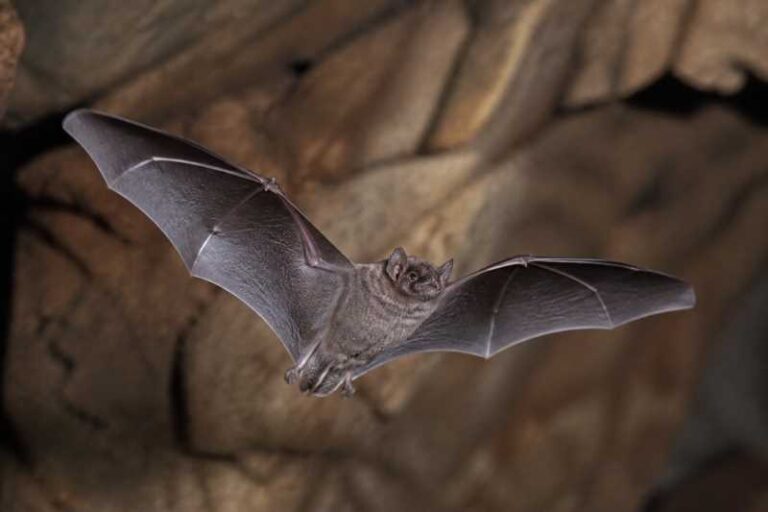
The Sao Tome Collared Fruit Bat is a medium-sized bat characterized by its distinct physical features. The species exhibits a short, broad head and a notably short muzzle, which are adaptations for its frugivorous diet. The fur of the Sao Tome Collared Fruit Bat is typically a dark brown or black, with a paler collar around its neck, giving it the ‘collared’ appearance from which its name is derived. This collar is more prominent in males than in females, which may play a role in sexual selection. The wings of this bat are broad and rounded, enabling it to maneuver through dense forest canopies with ease. Its wingspan typically ranges from 40 to 50 centimeters, supporting its aerial lifestyle.
Range and Habitat
The Sao Tome Collared Fruit Bat is endemic to Sao Tome Island, where it inhabits a variety of forested environments. It can be found in both primary and secondary forests, indicating a degree of adaptability to habitat changes. This bat is most commonly found in the island’s lowland and montane forests, where fruit-bearing trees are abundant. These habitats provide both roosting sites and food resources necessary for the bat’s survival. Unfortunately, the limited geographic range of this species makes it particularly susceptible to habitat disturbances.
Behavior and Diet
The Sao Tome Collared Fruit Bat is primarily nocturnal, spending its nights foraging for food and its days roosting in the dense foliage of trees. This species is frugivorous, feeding mainly on a diet of fruits and occasionally nectar, which it locates through a combination of keen eyesight and a well-developed sense of smell. The bats play an essential role in their ecosystem by assisting in seed dispersal and pollination, contributing to the regeneration of the forest.
Socially, the Sao Tome Collared Fruit Bat is known to roost in small to medium-sized groups, although solitary roosting behavior has also been observed. Roosting sites are chosen based on factors such as availability of food resources and predator avoidance.
Identification Tips (Field Recognition Cues)
Identifying the Sao Tome Collared Fruit Bat in the field involves several key features to look for:
- Collared Neck: Look for the lighter collar of fur around the neck, which is more pronounced in males.
- Size and Wingspan: Medium size with a wingspan of 40-50 cm.
- Wing Shape: Broad and rounded wings suitable for maneuvering through forests.
- Coloration: Dark brown or black fur with the distinctive neck collar.
- Habitat: Found in Sao Tome’s forests, particularly favoring areas with abundant fruit trees.
Conservation Status (with Threats and Protections)
The Sao Tome Collared Fruit Bat is currently classified as Vulnerable on the IUCN Red List. The primary threats facing this species are habitat destruction and fragmentation due to agricultural expansion, logging, and infrastructure development. Additionally, the limited range of the species makes it particularly vulnerable to environmental changes and stochastic events.
Conservation efforts are being undertaken to preserve the habitat of the Sao Tome Collared Fruit Bat, including the establishment and management of protected areas on Sao Tome Island. These efforts aim to curb habitat degradation and ensure the survival of this unique species. Conservationists are also advocating for increased research to better understand the ecological needs of this bat and implement effective conservation strategies.
Frequently Asked Questions
What does the Sao Tome Collared Fruit Bat eat?
The Sao Tome Collared Fruit Bat primarily feeds on fruits and occasionally nectar. Their diet is crucial for seed dispersal and pollination in their habitat.
Where can the Sao Tome Collared Fruit Bat be found?
This bat is endemic to Sao Tome Island, inhabiting both primary and secondary forests, particularly in lowland and montane regions.
Why is the Sao Tome Collared Fruit Bat important?
The bat plays a vital role in its ecosystem by aiding in seed dispersal and pollination, contributing to forest regeneration and biodiversity maintenance.
What are the major threats to the Sao Tome Collared Fruit Bat?
The primary threats include habitat destruction due to agricultural development, logging, and infrastructure projects, as well as its limited geographic range.
How can we help conserve the Sao Tome Collared Fruit Bat?
Supporting habitat protection initiatives and raising awareness about the species’ ecological importance can aid in its conservation. Encouraging sustainable land-use practices on Sao Tome Island is also crucial.
Related posts