Introduction
The Guinean Gerbil, scientifically known as Gerbilliscus guineae, is a small rodent species belonging to the family Muridae. These intriguing creatures are primarily found in parts of West Africa, where they play a significant role in the ecological balance of their habitats. Gerbils are often associated with deserts, but the Guinean Gerbil is an exception, favoring more humid environments. This article delves into various aspects of the Guinean Gerbil, including its physical characteristics, habitat preferences, behavior, diet, and conservation status. By understanding these facets, we can appreciate the importance of this species and the challenges it faces in the wild.
Physical Description
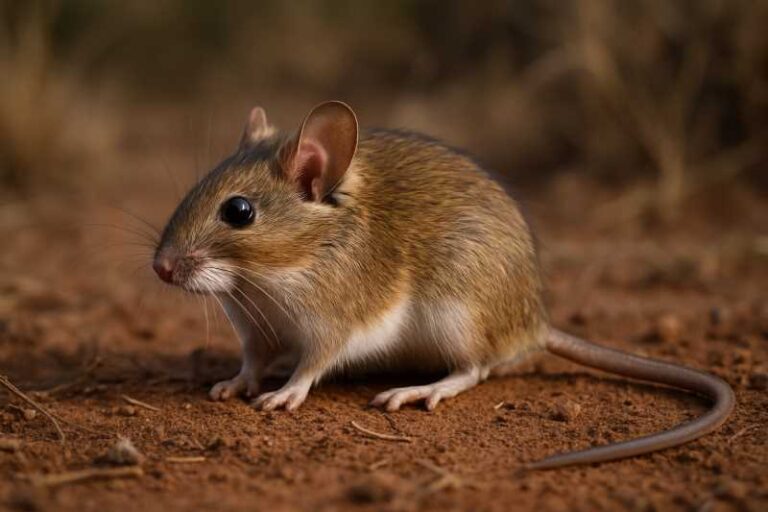
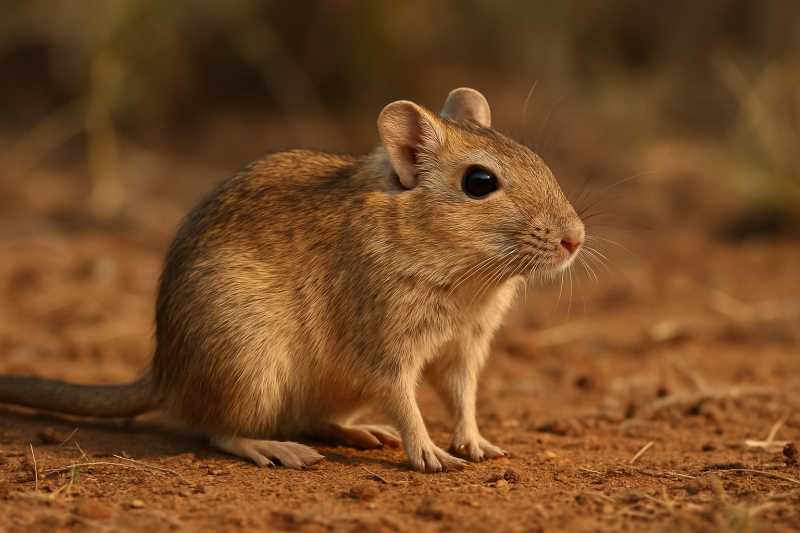
The Guinean Gerbil is a medium-sized rodent, characterized by its sleek and agile body designed for efficient movement within its environment. An adult Guinean Gerbil typically measures between 15 to 20 centimeters in length, including its tail, which is roughly the same length as its body. This long tail aids in balance and agility, especially when navigating through dense vegetation.
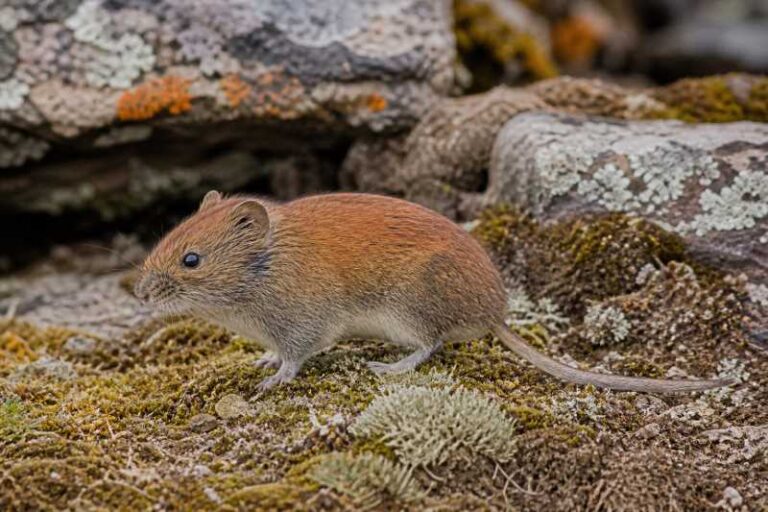
The fur of the Guinean Gerbil is predominantly sandy or brownish in color, allowing it to blend seamlessly with the earthy tones of its natural habitat. This coloration provides excellent camouflage against predators. Their fur is dense and soft, providing insulation during cooler periods. The underbelly is usually lighter, often white or cream, creating a stark contrast with the darker dorsal surface.
The Guinean Gerbil has large, prominent eyes that enhance its nocturnal vision, a trait common among animals that are active at night. The ears are small and rounded, designed to minimize heat loss and reduce the risk of injury while burrowing. Their sharp, curved claws are perfectly adapted for digging, allowing them to construct elaborate burrow systems.
Range and Habitat
The Guinean Gerbil is primarily found across the savannas and grasslands of West Africa. Its range includes countries such as Guinea, Sierra Leone, Liberia, and the Ivory Coast. These regions provide the ideal environment for the Guinean Gerbil, offering a mix of open ground for foraging and dense vegetation for cover.
Unlike its desert-dwelling relatives, the Guinean Gerbil prefers areas with moderate humidity levels, which can support a diverse array of flora and fauna. They are particularly fond of regions with loose, sandy soil, which facilitates their burrowing behavior. These burrows serve as safe havens from predators and harsh weather conditions.
Behavior and Diet
Guinean Gerbils are primarily nocturnal creatures, emerging from their burrows at dusk to forage for food. Their diet is omnivorous, consisting of a mix of seeds, nuts, fruits, and insects. This varied diet helps them adapt to the fluctuating availability of food resources in their environment.
Social by nature, Guinean Gerbils often live in small family groups. These groups communicate through a series of high-pitched squeaks and scent markings. Their social structure is essential for survival, as it allows them to share resources and protect each other from predators.
The burrow systems of Guinean Gerbils are complex, featuring multiple entrances and chambers for nesting and food storage. These structures not only offer protection but also help maintain a stable microclimate, which is crucial for their survival in regions with fluctuating temperatures.
Identification Tips (Field Recognition Cues)
Identifying the Guinean Gerbil in the wild requires keen observation skills. Here are some tips to help with recognition:
- Coloration: Look for the distinctive sandy to brownish fur that blends with the environment, with a lighter underbelly.
- Size and Shape: Note the size, which is typically 15 to 20 centimeters, and the long tail, which is about the same length as the body.
- Behavior: Observe their nocturnal activity and social interactions, particularly in the early evening.
- Habitat: Focus on areas with loose, sandy soil and moderate vegetation cover.
Conservation Status (with Threats and Protections)
The Guinean Gerbil is currently not listed as endangered, but it faces several threats that could impact its population in the future. Habitat destruction due to agricultural expansion and urban development is a significant concern, as it reduces the availability of suitable habitats.
Additionally, climate change poses a potential threat by altering the ecosystems that support the Guinean Gerbil. Changes in precipitation patterns and temperature could affect the availability of food and burrowing conditions.
Conservation efforts are needed to ensure the long-term survival of the Guinean Gerbil. Protecting their natural habitats and promoting sustainable land-use practices are vital steps. Further research and monitoring are also essential to understand the population dynamics and ecological requirements of this species.
Frequently Asked Questions
What is the primary diet of the Guinean Gerbil?
The Guinean Gerbil has an omnivorous diet, primarily consisting of seeds, nuts, fruits, and insects. This varied diet allows it to adapt to the changing availability of food resources in its habitat.
How can you distinguish a Guinean Gerbil from other gerbil species?
The Guinean Gerbil can be distinguished by its sandy to brownish fur, long tail, and the specific regions it inhabits. It prefers more humid environments compared to other gerbil species, which are often desert dwellers.
What are the main threats to the Guinean Gerbil’s survival?
Habitat destruction due to agricultural expansion and urban development is the main threat to the Guinean Gerbil. Climate change also poses potential risks by altering their ecosystem.
Are Guinean Gerbils social animals?
Yes, Guinean Gerbils are social creatures that often live in small family groups. This social behavior is crucial for their survival, as it enhances their ability to share resources and protect against predators.
Where can the Guinean Gerbil be found in the wild?
The Guinean Gerbil is found in the savannas and grasslands of West Africa, including countries like Guinea, Sierra Leone, Liberia, and the Ivory Coast.
Related posts