Introduction
The Groove-toothed Spiny-rat, scientifically known as Carterodon sulcidens, is a fascinating yet lesser-known member of the Echimyidae family. This unique rodent, native to Brazil, provides a glimpse into the rich biodiversity of South America. Despite its relative obscurity, the Groove-toothed Spiny-rat plays a crucial role in its ecosystem, contributing to seed dispersion and serving as prey for local predators. This article explores the intriguing characteristics, habitat, and behavior of this species while highlighting its conservation status.
Physical Description
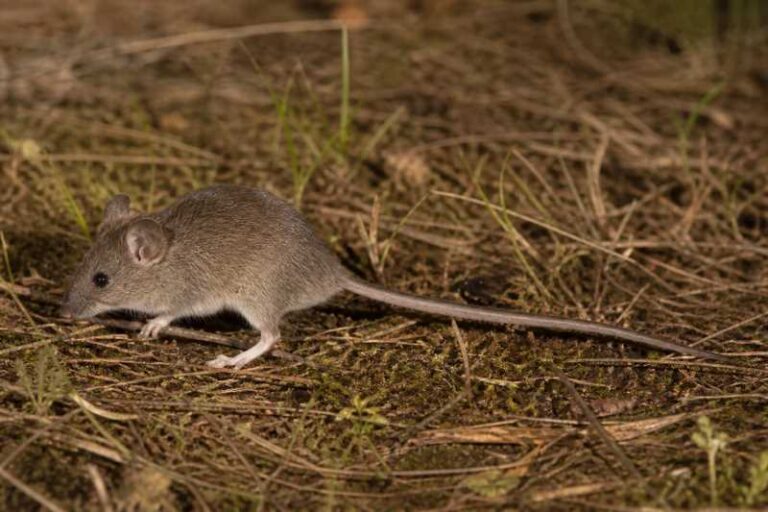
The Groove-toothed Spiny-rat is characterized by its distinctive dental and physical features. This medium-sized rodent typically measures between 20 to 30 centimeters in length, excluding its tail, which adds an additional 15 to 25 centimeters. Weighing up to 500 grams, it is relatively robust.
One of the most distinguishing features of the Groove-toothed Spiny-rat is its grooved teeth, which give the species its name. These grooves are not just for show; they assist in processing the tough vegetation that constitutes a significant portion of the rat’s diet. This dental adaptation is crucial for survival in its natural habitat, where fibrous plant material is abundant.
The fur of the Groove-toothed Spiny-rat is another notable aspect. It is generally coarse and spiny, offering protection against predators. The coloration usually ranges from brown to grey, providing effective camouflage against the forest floor. Its spiny fur, while not as pronounced as that of a porcupine, serves as a deterrent to predators.
Range and Habitat
The Groove-toothed Spiny-rat is endemic to Brazil, with its range primarily concentrated in the country’s southeastern regions. It inhabits a variety of environments, including the Atlantic Forest and cerrado ecosystems. These areas are known for their rich biodiversity and complex ecological interactions.
The rat is typically found in dense undergrowth or areas with abundant leaf litter, where it can hide from predators and forage for food. Its ability to adapt to different habitats within its range has been crucial for its survival, although habitat destruction poses a significant threat.
Behavior and Diet
The Groove-toothed Spiny-rat is primarily nocturnal, spending its nights foraging for food and its days resting in burrows or under dense foliage. Its diet is mainly herbivorous, consisting of leaves, seeds, fruits, and bark. The grooved teeth play a crucial role in grinding down tough plant material, allowing the rat to extract necessary nutrients efficiently.
In terms of social behavior, the Groove-toothed Spiny-rat is generally solitary, although it may be seen in small groups during mating seasons. Communication among individuals is primarily through vocalizations and scent markings.
Identification Tips
Identifying the Groove-toothed Spiny-rat in the field requires keen observation of specific features:
- Dental Structure: Look for the distinctive grooved teeth, which are visible even when the rat is foraging.
- Fur Texture: Note the coarse, spiny fur, which is a protective adaptation.
- Size and Shape: The medium size and robust body distinguish it from smaller, more delicate rodents.
- Coloration: The brown to grey fur helps it blend into the forest floor.
Conservation Status
Currently, the Groove-toothed Spiny-rat is listed as Least Concern by the International Union for Conservation of Nature (IUCN). However, this status does not mean it is free from threats. Habitat destruction, particularly deforestation in the Atlantic Forest and conversion of cerrado land for agriculture, poses significant risks.
Conservation efforts focus on habitat preservation and restoration, emphasizing the importance of maintaining ecological corridors. Legal protections in Brazil aim to curb deforestation and promote sustainable land-use practices, although enforcement can be challenging.
Frequently Asked Questions
1. What is the habitat of the Groove-toothed Spiny-rat?
The Groove-toothed Spiny-rat inhabits the Atlantic Forest and cerrado regions of Brazil. It thrives in dense undergrowth and areas with abundant leaf litter.
2. How does the Groove-toothed Spiny-rat’s diet influence its habitat preferences?
Its herbivorous diet, consisting of leaves, seeds, and fruits, dictates its preference for habitats rich in plant material, such as forests and savannas.
3. What are the main threats to the Groove-toothed Spiny-rat?
The primary threats include habitat destruction due to deforestation and agricultural expansion in its native regions.
4. How can you identify a Groove-toothed Spiny-rat in the wild?
Look for its grooved teeth, spiny fur, medium size, and the brown to grey coloration that blends with the forest floor.
5. Is the Groove-toothed Spiny-rat a social animal?
Generally solitary, the Groove-toothed Spiny-rat may form small groups during mating seasons but primarily lives alone.
Related posts