Zombitse Sportive Lemur: A Comprehensive Overview
Introduction
The Zombitse Sportive Lemur, scientifically known as Lepilemur hubbardi, is a fascinating primate species endemic to Madagascar. As its name implies, this lemur is predominantly found in the Zombitse-Vohibasia National Park, a unique ecosystem that supports a rich diversity of flora and fauna. This article delves into the specifics of this intriguing lemur species, exploring its physical characteristics, habitat, and behavior, along with conservation efforts crucial for its survival.
Physical Description
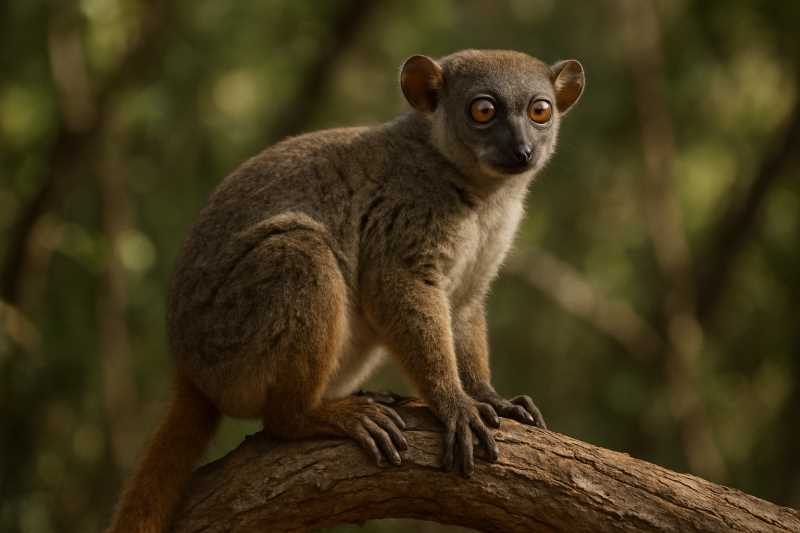
The Zombitse Sportive Lemur is a small to medium-sized primate, characterized by its distinctive physical features. It typically measures around 26 to 30 centimeters in body length, with a tail extending an additional 25 to 28 centimeters. The lemur’s weight ranges from 0.7 to 1.0 kilograms, making it relatively lightweight.
Its fur is predominantly grayish-brown, providing an excellent camouflage against the tree bark in its native habitat. The ventral side is usually lighter, often exhibiting a whitish or cream hue. One of the most striking features of the Zombitse Sportive Lemur is its large, round eyes, adapted for nocturnal vision, allowing it to navigate and forage effectively in the dark.
Range and Habitat
Endemic to Madagascar, the Zombitse Sportive Lemur is found exclusively in the Zombitse-Vohibasia National Park, located in the southwestern part of the island. This park is notable for its transitional forests, which are a blend of dry deciduous and humid evergreen forests. Such habitats are ideal for the Zombitse Sportive Lemur as they provide ample food resources and shelter.
The park is characterized by its unique flora, including numerous endemic plant species, which form the primary diet of the lemur. The dense foliage offers refuge from predators and a suitable environment for raising young ones.
Behavior and Diet
Zombitse Sportive Lemurs are primarily nocturnal, spending most of their active periods during the night. During the day, they rest in tree hollows or dense foliage to avoid predators and the harsh daytime heat.
Their diet is largely folivorous, consisting mainly of leaves, although they also consume fruits, flowers, and bark. The lemur’s digestive system is specially adapted to break down tough plant materials, facilitated by a large cecum harboring symbiotic bacteria that aid in cellulose digestion.
Socially, Zombitse Sportive Lemurs are generally solitary, although mothers and their young can sometimes be seen together. Communication is primarily through vocalizations and scent markings, which play a crucial role in territory demarcation and mating.
Identification Tips
When attempting to spot a Zombitse Sportive Lemur in the wild, several field recognition cues can be helpful:
- Eye Reflection: At night, use a flashlight to catch the reflection of their large eyes, which have a distinctive orange-red glow.
- Vocalizations: Listen for their unique calls, which include grunts and clicks, especially during the breeding season.
- Movement: Look for their characteristic leaping movements between trees, a behavior that distinguishes them from other lemur species.
- Fur Color: Note the grayish-brown coloration with lighter underparts, aiding in identification against the backdrop of the forest.
Conservation Status
The Zombitse Sportive Lemur is currently listed as ‘Endangered’ on the IUCN Red List. The primary threats to its survival include habitat destruction due to agricultural expansion, illegal logging, and mining activities. Additionally, the lemur faces predation from invasive species and hunting pressures.
Conservation efforts are underway to protect the Zombitse-Vohibasia National Park, which serves as the last refuge for this lemur. These include habitat restoration projects, anti-poaching measures, and community engagement initiatives to promote sustainable land use practices.
Frequently Asked Questions
What is the Zombitse Sportive Lemur’s primary diet?
The Zombitse Sportive Lemur primarily feeds on leaves, but its diet also includes fruits, flowers, and bark, adapted to the resources available in its forest habitat.
Where can I find the Zombitse Sportive Lemur in the wild?
This lemur is exclusive to the Zombitse-Vohibasia National Park in southwestern Madagascar, thriving in its unique transitional forest ecosystem.
Why is the Zombitse Sportive Lemur endangered?
The lemur is endangered due to habitat loss from deforestation, agricultural encroachment, and hunting pressures, compounded by limited geographic range.
How can I identify a Zombitse Sportive Lemur?
Look for their large reflective eyes, grayish-brown fur, and listen for their distinctive vocalizations at night in forested areas of Zombitse.
What conservation measures are in place for the Zombitse Sportive Lemur?
Conservation measures include habitat protection, anti-poaching efforts, and promoting sustainable agricultural practices around the Zombitse-Vohibasia National Park.
Related posts