Introduction
The Balkan Pine Vole (Microtus felteni) is a small mammal species that plays a crucial role in the ecosystems of the Balkan Peninsula. As a member of the Cricetidae family, it shares the diverse habitats of this region with various other wildlife, contributing to the ecological balance. Despite its diminutive size, the Balkan Pine Vole is an important subject for scientific research and conservation efforts due to its limited distribution and specialized habitat requirements. This article delves into the various aspects of the Balkan Pine Vole, offering a comprehensive overview of its physical characteristics, habitat preferences, behavior, conservation status, and more.
Physical Description
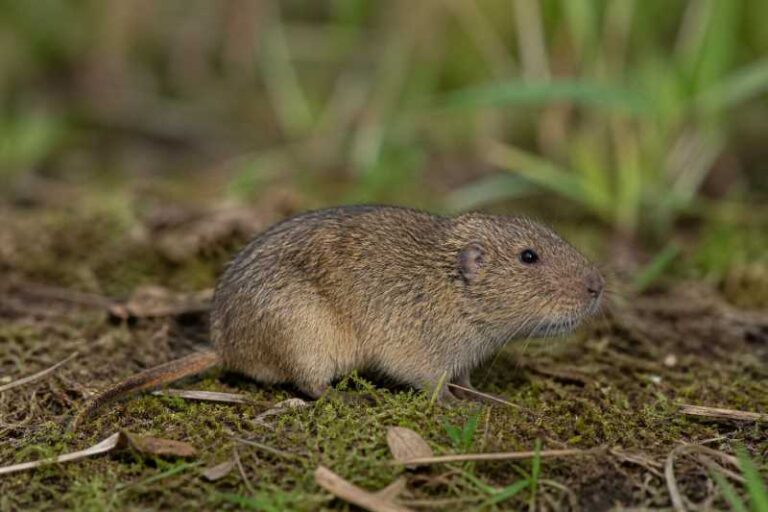
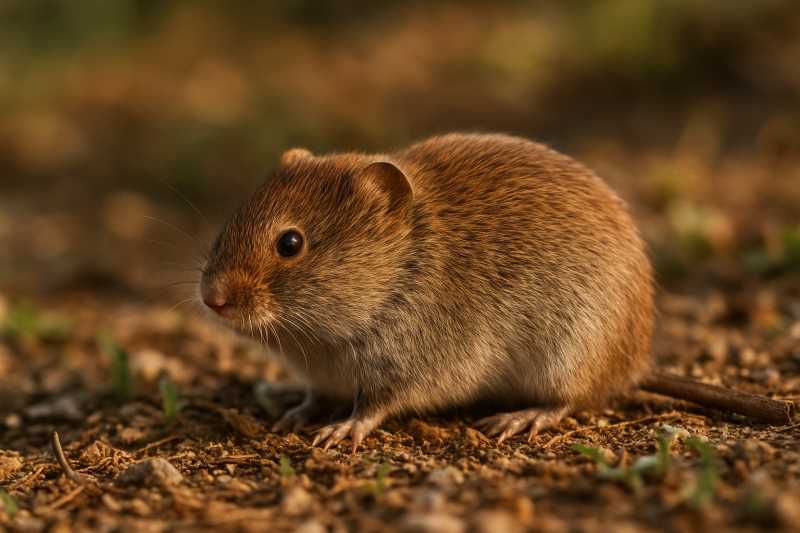
The Balkan Pine Vole is a small rodent with a body length ranging from 8 to 10 centimeters and a tail length of approximately 2 to 3 centimeters. Its compact and cylindrical body is covered with soft, dense fur that helps it maintain body heat in cooler environments. The fur is typically grayish-brown on the dorsal side, with a lighter, almost white coloration on the ventral side. This subtle coloration provides effective camouflage against the forest floor, aiding in its survival by making it less conspicuous to predators.
One of the distinguishing features of the Balkan Pine Vole is its small, rounded ears that are often hidden beneath its fur. The eyes are relatively small, reflecting its adaptation to a life spent mostly in underground burrows. The vole has sharp incisors that grow continuously, allowing it to gnaw on tough plant material, which is a significant part of its diet.
Range and Habitat
The Balkan Pine Vole is endemic to the Balkan Peninsula, specifically found in countries like Greece, North Macedonia, and parts of Bulgaria. Its distribution is highly localized within this region, often restricted to mountainous and forested areas where pine and other coniferous trees dominate the landscape.
This species prefers habitats with dense ground cover and moist soil, which are ideal for constructing its extensive burrow systems. These burrows provide shelter from predators and harsh weather conditions, as well as a secure location for raising young. The Balkan Pine Vole’s habitat is typically characterized by rich soil layers that support a diverse range of plant species, providing ample foraging opportunities.
Behavior and Diet
The Balkan Pine Vole is predominantly nocturnal, with peak activity occurring during the early evening and nighttime hours. This nocturnal behavior helps it avoid diurnal predators and take advantage of cooler temperatures. It is a highly social species, often living in small colonies where individuals communicate through a series of high-pitched squeaks and scent markings.
The diet of the Balkan Pine Vole primarily consists of plant material, including grasses, seeds, roots, and the bark of young trees. It is known to store food in its burrows to sustain itself during periods of food scarcity. The vole’s feeding habits play a vital role in seed dispersal and the maintenance of plant community dynamics in its habitat.
Identification Tips (Field Recognition Cues)
When attempting to identify the Balkan Pine Vole in the field, look for the following characteristics:
- Size and Shape: Small, cylindrical body with a short tail.
- Fur Coloration: Grayish-brown dorsally and lighter ventrally.
- Ears and Eyes: Small, rounded ears often hidden by fur; small eyes.
- Habitat: Look for them in forested areas with pine trees and dense ground cover.
- Burrows: Presence of small burrow entrances in the ground, often near the base of trees.
Conservation Status (With Threats and Protections)
The Balkan Pine Vole is currently classified as Near Threatened on the IUCN Red List. Its restricted range and specialized habitat requirements make it vulnerable to several threats, including habitat destruction, climate change, and human encroachment. Deforestation and changes in land use, such as agriculture and urban development, pose significant risks to its natural habitats.
Conservation efforts for the Balkan Pine Vole focus on habitat preservation and restoration. Protected areas within its range, such as national parks and nature reserves, play a crucial role in safeguarding its populations. Additionally, research programs aimed at understanding its ecology and population dynamics are essential for developing effective conservation strategies.
Frequently Asked Questions
1. What is the natural habitat of the Balkan Pine Vole?
The Balkan Pine Vole inhabits mountainous and forested regions of the Balkan Peninsula, where pine and coniferous trees are prevalent. It thrives in areas with dense ground cover and moist soil, which are ideal for its burrow systems.
2. How does the Balkan Pine Vole contribute to its ecosystem?
The Balkan Pine Vole plays a vital role in seed dispersal and maintaining plant community dynamics. Its feeding habits help in the regeneration of vegetation and contribute to the ecological balance of its habitat.
3. What are the main threats to the Balkan Pine Vole?
The primary threats to the Balkan Pine Vole include habitat destruction due to deforestation, climate change, and human encroachment. These factors lead to habitat fragmentation and loss, adversely affecting its populations.
4. How can we help conserve the Balkan Pine Vole?
Conservation efforts can be supported by promoting the protection of its natural habitats through the establishment of protected areas and sustainable land-use practices. Raising awareness about the species and its ecological importance is also crucial for conservation success.
5. Are there any ongoing research efforts on the Balkan Pine Vole?
Yes, ongoing research focuses on understanding the ecology, behavior, and population dynamics of the Balkan Pine Vole. Such studies are essential for informing conservation strategies and ensuring the species’ long-term survival.
Related posts