Introduction
The Black-tailed Giant Rat, scientifically known as Uromys anak, is a fascinating rodent species that inhabits select regions of Southeast Asia. This impressive mammal is notable for its considerable size and distinctive appearance, which sets it apart from other members of the rodent family. Understanding its biology and ecological role is crucial for conservation efforts, as the species faces various environmental threats. This article provides a comprehensive overview of the Black-tailed Giant Rat, covering its physical characteristics, habitat preferences, behaviors, and more.
Physical Description
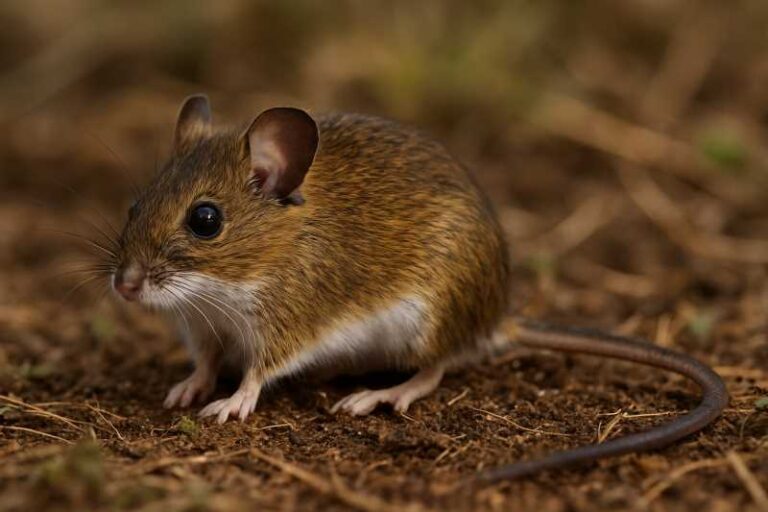
The Black-tailed Giant Rat is one of the largest rodent species within its range, with adults typically measuring between 30 to 50 centimeters in body length, excluding the tail, which itself can be an additional 30 to 40 centimeters. It has a robust and muscular build, well-suited to its arboreal lifestyle.
The most striking feature of this mammal is its dense, coarse fur, which varies in coloration from a dark gray to nearly black on the dorsal side, transitioning to a lighter gray or white on the ventral side. The tail is characteristically black, hence the name “Black-tailed,” and is covered sparsely with hair. Its ears are relatively small and rounded, while the eyes are large, aiding its nocturnal habits.
Range and Habitat
Uromys anak is primarily found in the tropical rainforests of Southeast Asia, with a range that includes parts of Indonesia, Papua New Guinea, and the Solomon Islands. These regions provide the dense canopy cover and high humidity levels that are ideal for the species.
The Black-tailed Giant Rat is arboreal, spending much of its life in the trees. It prefers lowland and montane rainforests, where it can forage for food and avoid ground predators. However, deforestation and habitat fragmentation are significant threats, reducing the available territory for these unique rodents.
Behavior and Diet
As a nocturnal creature, the Black-tailed Giant Rat is primarily active at night. It exhibits solitary behavior, with individuals maintaining distinct territories. During the night, they forage for food, which consists of a diverse diet including fruits, nuts, seeds, and occasionally small invertebrates. The availability of food sources in its habitat largely dictates its nightly movements.
These rats are known for their climbing prowess, using their strong limbs and sharp claws to navigate the canopy with ease. They build nests in tree hollows or dense foliage to protect themselves from predators and harsh weather conditions.
Identification Tips (Field Recognition Cues)
Identifying the Black-tailed Giant Rat in the wild can be challenging due to its nocturnal nature and arboreal habits. However, there are several key characteristics to look for:
- Size: Look for a large rodent with a body length of 30 to 50 cm, excluding the tail.
- Coloration: Note the dark gray to black fur on the back, with a lighter underside.
- Tail: A long, black tail is a definitive feature.
- Habitat: Focus on dense, tropical rainforests, particularly in the canopy.
- Behavior: Look for solitary, nocturnal activity, often high in the trees.
Conservation Status (with Threats and Protections)
The conservation status of the Black-tailed Giant Rat is currently assessed as Vulnerable by the International Union for Conservation of Nature (IUCN). The primary threats to the species include habitat destruction due to logging and agricultural expansion. These activities fragment the forest, making it difficult for populations to sustain themselves.
Conservation efforts are vital, including habitat protection and restoration initiatives. Establishing protected areas and sustainable forestry practices are crucial steps in preserving the natural habitat of the Black-tailed Giant Rat. Additionally, educating local communities about the ecological importance of these rodents can promote coexistence and reduce human-wildlife conflict.
Frequently Asked Questions
What do Black-tailed Giant Rats eat?
Black-tailed Giant Rats have an omnivorous diet, primarily consisting of fruits, nuts, and seeds, but they may also consume small invertebrates when available.
Where can I find Black-tailed Giant Rats?
These rats are found in the tropical rainforests of Indonesia, Papua New Guinea, and the Solomon Islands, often in the lower and mid-canopy levels.
How can I identify a Black-tailed Giant Rat?
Look for a large rodent with dark gray to black fur, a long black tail, and a presence in forest canopies during nighttime hours.
Why are Black-tailed Giant Rats endangered?
The primary threat to Black-tailed Giant Rats is habitat loss due to deforestation and agricultural activities, leading to fragmented and reduced living areas.
How do Black-tailed Giant Rats contribute to the ecosystem?
As seed dispersers, these rats play a crucial role in forest regeneration and maintaining biodiversity within their habitat.
Related posts