Birdwatching is a rewarding and enriching hobby that connects enthusiasts to nature and the rhythms of wildlife. But timing your birding trips strategically can significantly enhance the experience. Around the world, bird migrations, breeding seasons, and climate conditions all influence when and where birding is best. Whether you’re hoping to witness mass migrations, spot rare endemics, or explore new avian habitats, this guide breaks down the ideal birdwatching seasons by global region.
North America
Best Time: Spring (April–June) and Fall (September–October)
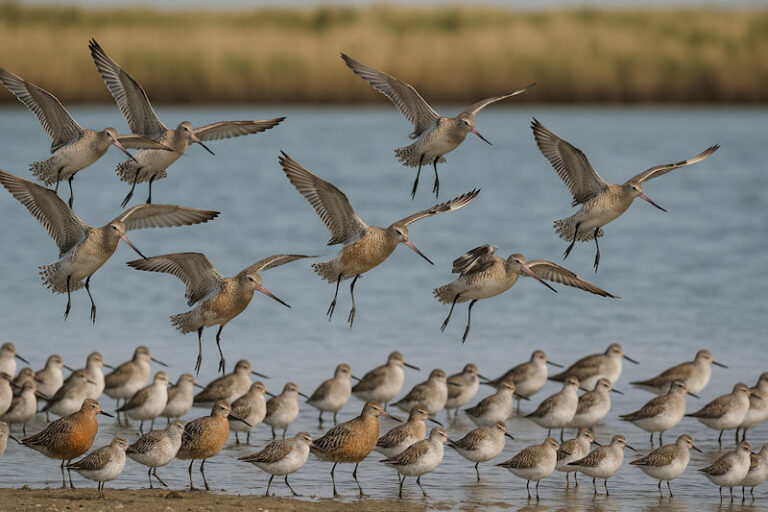
Spring brings a burst of colorful songbirds migrating north, while fall sees them return south in large, mixed flocks. Key hotspots like Point Pelee (Canada), Cape May (New Jersey), and the Rio Grande Valley (Texas) shine during these months. Late winter is also ideal for owls and waterfowl in the northern states.
South America
Best Time: Dry Season (May–October)
In the Amazon, Pantanal, and Andean cloud forests, the dry season offers easier access, fewer mosquitoes, and concentrated bird activity around water sources. This is the peak time for macaws, toucans, hummingbirds, and other tropical treasures.
Europe
Best Time: Spring (April–June) and Autumn (August–October)
Spring migration lights up wetlands like Spain’s Doñana National Park and the UK’s East Anglia. Autumn offers excellent raptor watching in southern Europe, especially in Gibraltar and the Bosphorus. For seabirds and puffins, late spring and early summer are prime in northern Europe.
Africa
Best Time: Dry Season (June–October)
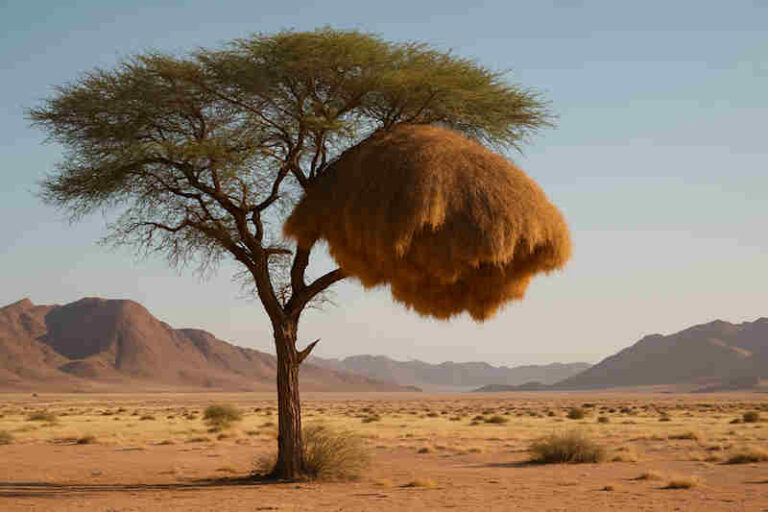
In East Africa, the dry season makes birding safaris easier with better visibility and access. Kenya and Tanzania offer incredible views of flamingoes, weavers, and bee-eaters. In Southern Africa, November to February brings summer migrants and breeding activity—ideal for photographing colorful plumage.
Asia
Best Time: Varies by Region
- South Asia (India, Sri Lanka): November to March is best for migratory species and breeding birds.
- Southeast Asia (Thailand, Malaysia): December to March offers the clearest skies and most bird activity.
- Central Asia (Kazakhstan, Uzbekistan): May and June for breeding birds and endemics.
- East Asia (China, Japan, Korea): Spring and autumn migrations are peak periods, with spring being especially scenic.
Australia & New Zealand
Best Time: Spring to Early Summer (September–December)
This is breeding season for many endemic species like lyrebirds, bowerbirds, and fairy-wrens. In northern Australia, the dry season (May to August) is also productive. In New Zealand, spring reveals rare forest species and seabird colonies like albatrosses and petrels.
Antarctica
Best Time: Austral Summer (November–February)
This is the only window when birders can access the continent. It’s breeding season for penguins, albatrosses, and skuas. Cruises during this time offer exceptional views of nesting colonies and chick-rearing behaviors.
Tips for Planning Your Birdwatching Trip
- Check Local Migration Calendars: Regional bird observatories or apps like eBird provide up-to-date migration reports.
- Consider Climate: Dry seasons are often better for access and bird concentration.
- Join Local Tours: Guided trips can increase your chances of spotting target species.
By aligning your birdwatching plans with regional peak times, you can witness breathtaking avian spectacles and maximize your chances of encountering rare and iconic species.
Related posts