Introduction
The Charada Vlei Rat, scientifically known as Otomys fortior, is a fascinating small mammal species endemic to certain regions of Africa. This rodent is part of the Muridae family and is known for its unique adaptations to wetland habitats. As an important species in its ecosystem, the Charada Vlei Rat plays a critical role in the ecological balance of its native region. Understanding its physical traits, behaviors, and conservation status can offer insights into the challenges it faces and the importance of preserving its natural habitat.
Physical Description
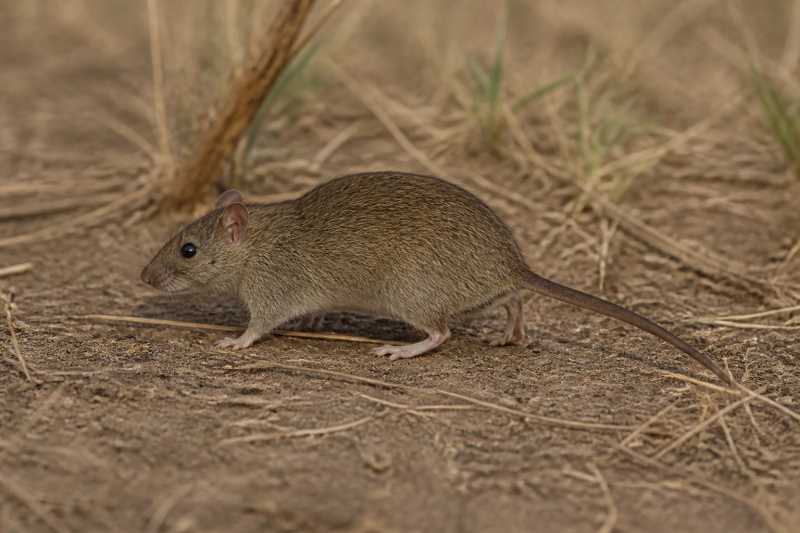
The Charada Vlei Rat is characterized by its robust and somewhat stocky build. Typically, it has a head-and-body length of approximately 130-180 mm, with a tail length ranging from 70-110 mm, which is relatively short compared to its body. This species exhibits sexual dimorphism, with males generally being slightly larger than females.
The fur of the Charada Vlei Rat is dense and soft, providing excellent insulation against the cold and wet conditions of its habitat. Its dorsal side is covered in a mix of dark brown and gray fur, while the ventral side is lighter, often displaying a creamy or pale gray hue. Its ears are small and rounded, and its eyes are moderately sized, adapted for low-light conditions.
Notably, the Charada Vlei Rat has a blunt snout and strong, chisel-like incisors. These dental features are particularly adapted for gnawing on tough vegetation, which forms a significant part of its diet.
Range and Habitat
The Charada Vlei Rat is native to the high-altitude wetlands and grasslands of East Africa, particularly in regions such as the Ethiopian Highlands and parts of Kenya and Uganda. These areas are characterized by their rich biodiversity and unique ecological conditions.
This species is predominantly found in marshy environments, where it thrives in the dense vegetation and abundant water sources. It is particularly well-suited to life in high-altitude grasslands, where it can find ample food and shelter. The Charada Vlei Rat is an excellent swimmer, a trait that helps it navigate the flooded areas within its habitat.
Behavior and Diet
The Charada Vlei Rat is primarily nocturnal, becoming most active during the twilight hours and throughout the night. This behavior is likely an adaptation to avoid daytime predators and to exploit cooler temperatures.
Socially, these rats are known to be relatively solitary, although they may form loose colonies around abundant food sources. They communicate using a variety of vocalizations and scent markings, which help them establish territories and find mates.
Diet-wise, the Charada Vlei Rat is an herbivore, feeding predominantly on grasses, sedges, and other aquatic vegetation. Its diet may also include seeds and occasionally insects, depending on availability. The strong incisors of the Charada Vlei Rat are perfectly adapted for cutting through tough plant material, allowing it to access a wide range of food sources.
Identification Tips (field recognition cues)
Identifying the Charada Vlei Rat in the field requires careful observation of several key features:
- Size and Shape: Look for a medium-sized rodent with a robust body and a relatively short, thick tail.
- Fur Coloration: Note the dense, dark brown to gray fur on the dorsal side, contrasting with the lighter ventral side.
- Behavior: Observe nocturnal activity patterns and a preference for wetland or marshy environments.
- Vocalizations: Listen for soft chirps and squeaks, which are common communication sounds among these rats.
- Habitat: Typically found in high-altitude wetlands and grasslands with abundant vegetation and water sources.
Conservation Status (with threats and protections)
The Charada Vlei Rat is currently classified as Least Concern by the IUCN Red List, indicating that it does not face immediate threats of extinction. However, its population is subject to several pressures that could impact its status in the future.
Threats
- Habitat Loss: The primary threat to the Charada Vlei Rat is habitat destruction due to agricultural expansion, deforestation, and urban development. These activities reduce the availability of suitable habitats and food sources.
- Climate Change: Changes in climate patterns can alter the wetland ecosystems on which this species depends, potentially leading to habitat degradation.
- Predation: Natural predators such as birds of prey, snakes, and larger mammals pose a continuous threat.
Protections
Efforts to protect the Charada Vlei Rat’s habitat are crucial for its conservation. This includes:
- Protected Areas: Establishing and maintaining protected areas in high-altitude wetlands can help preserve essential habitats.
- Conservation Programs: Initiatives to promote sustainable land use practices and raise awareness about the ecological value of wetlands can benefit the species.
Frequently Asked Questions
1. What is the Charada Vlei Rat’s preferred habitat?
The Charada Vlei Rat prefers high-altitude wetlands and grasslands, where it finds abundant vegetation and water. These environments offer the necessary resources for feeding and shelter.
2. How does the Charada Vlei Rat communicate?
The Charada Vlei Rat communicates through a series of vocalizations, including chirps and squeaks. It also uses scent markings to establish territory and attract mates.
3. What are the main threats to the Charada Vlei Rat?
The main threats include habitat loss due to agricultural expansion and climate change, which can alter its wetland habitats. Natural predators also pose a threat.
4. How can you identify a Charada Vlei Rat in the field?
Look for a medium-sized rodent with dark brown to gray fur, a robust body, and a short, thick tail. It is often found in wetland areas and is most active at night.
5. What conservation measures are in place for the Charada Vlei Rat?
Conservation measures include maintaining protected wetland areas, promoting sustainable land use, and raising awareness about wetland conservation.
Related posts