Sigma 100-400mm F5-6.3 DG DN OS: A Bird Enthusiast’s Perspective
Birdwatching, as a hobby, demands patience, keen observation, and the right equipment to capture the beauty of winged wonders in their natural habitat. For bird enthusiasts who are also photography lovers, the lens is as important as the binoculars. The Sigma 100-400mm F5-6.3 DG DN OS lens has emerged as a popular choice among bird photographers, offering a blend of versatility, performance, and affordability. This article explores the features of this lens, highlighting both its strengths and areas where it could improve, helping you decide if it’s the right choice for your bird photography needs.
Overview of the Sigma 100-400mm F5-6.3 DG DN OS
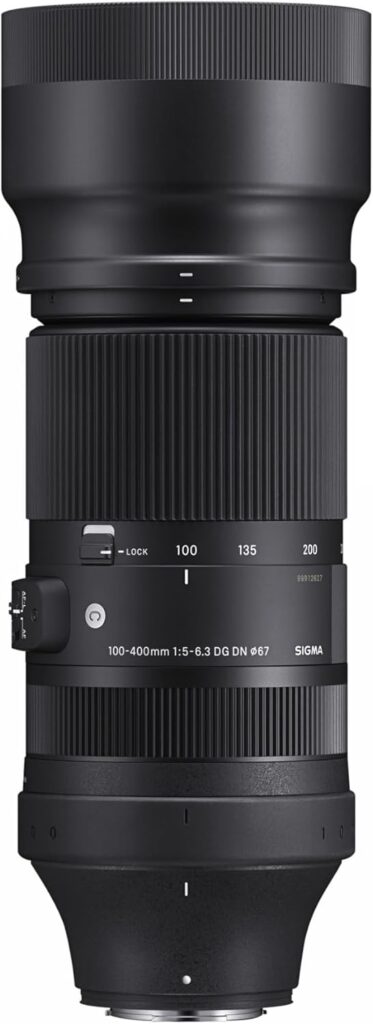
Sigma, known for its high-quality, cost-effective lenses, introduced the 100-400mm F5-6.3 DG DN OS as part of its Contemporary line. Designed for full-frame mirrorless cameras, this lens is available in mounts for both Sony E-mount and L-mount systems, making it accessible to a wide range of users. With a focal length of 100-400mm, it offers the versatility needed to capture birds in different environments, from dense forests to wide-open wetlands.
Positive Aspects
1. Versatility and Reach:
The 100-400mm focal length is ideal for bird photography, providing the flexibility to shoot close-ups as well as distant subjects. This range allows photographers to keep their distance to avoid disturbing the birds while still achieving detailed shots.
2. Optical Stabilization:
The lens features Optical Stabilization (OS), which is crucial for handheld photography, especially at longer focal lengths where camera shake can be more pronounced. This feature helps bird photographers capture sharp images, even in lower light conditions or when panning to follow fast-moving subjects.
3. Compact and Lightweight Design:
Weighing approximately 1,135 grams (about 2.5 pounds), the Sigma 100-400mm is relatively lightweight for its class, making it easier to carry on long birdwatching hikes. Its compact design makes it suitable for travel and fieldwork, where weight and size are critical.
4. Excellent Build Quality:
Despite being part of Sigma’s Contemporary line, which focuses on affordability, the lens doesn’t compromise on build quality. It features a dust- and splash-proof mount, which is beneficial for outdoor photography in unpredictable weather conditions.
5. High-Quality Optics:
The lens boasts a sophisticated optical design with 22 elements in 16 groups, including several low-dispersion glass elements to minimize chromatic aberration and other distortions, ensuring sharp and vibrant images.
6. Compatibility with Teleconverters:
For those needing extra reach, the lens is compatible with Sigma’s teleconverters, which can extend the focal length up to 800mm, providing even more options for capturing distant birds.
Negative Aspects
1. Aperture Limitations:
One of the main drawbacks of the Sigma 100-400mm is its maximum aperture range of F5-6.3. While this is common in lenses of this category, it can limit performance in low-light situations. Bird photographers may find themselves increasing ISO settings, which can introduce noise in the images.
2. Autofocus Performance:
While the lens generally offers reliable autofocus, it can occasionally struggle in tracking fast-moving birds, particularly in challenging lighting conditions. This may not be a deal-breaker for all users, but it’s something to consider for those focusing on action shots.
3. Lack of a Tripod Collar:
The absence of a tripod collar is a notable omission, especially for a lens of this size and focal length. A collar would help balance the lens better on a tripod, reducing strain and improving stability during long shoots.
4. Limited Manual Focus Control:
The manual focus ring is relatively narrow and might not offer the best tactile feedback, making it slightly challenging to achieve precise manual focus, particularly in tricky scenarios.
5. Competition in the Market:
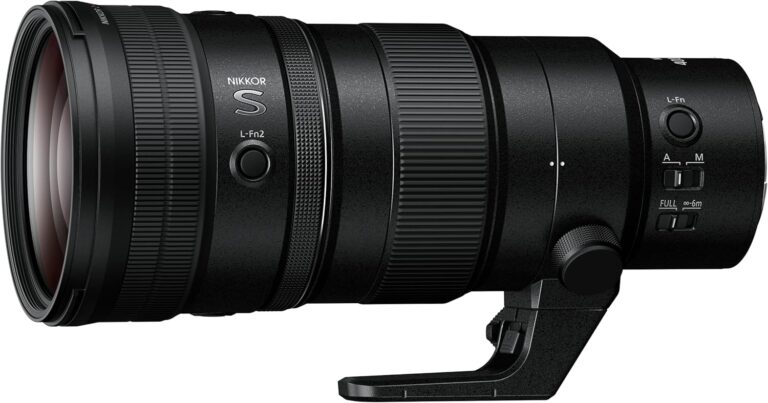
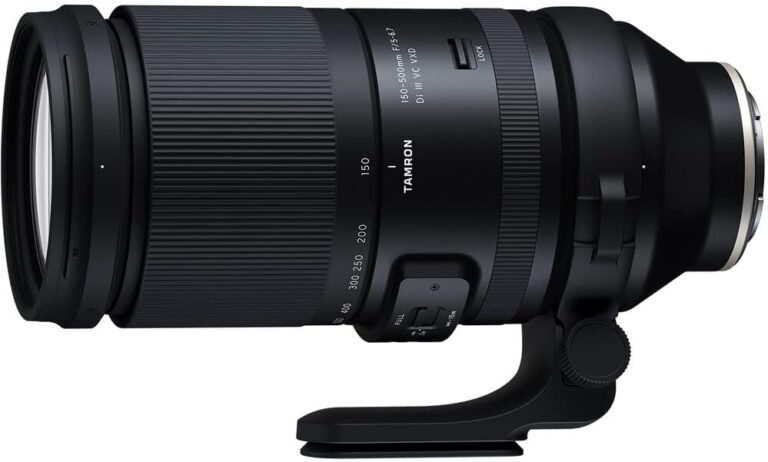
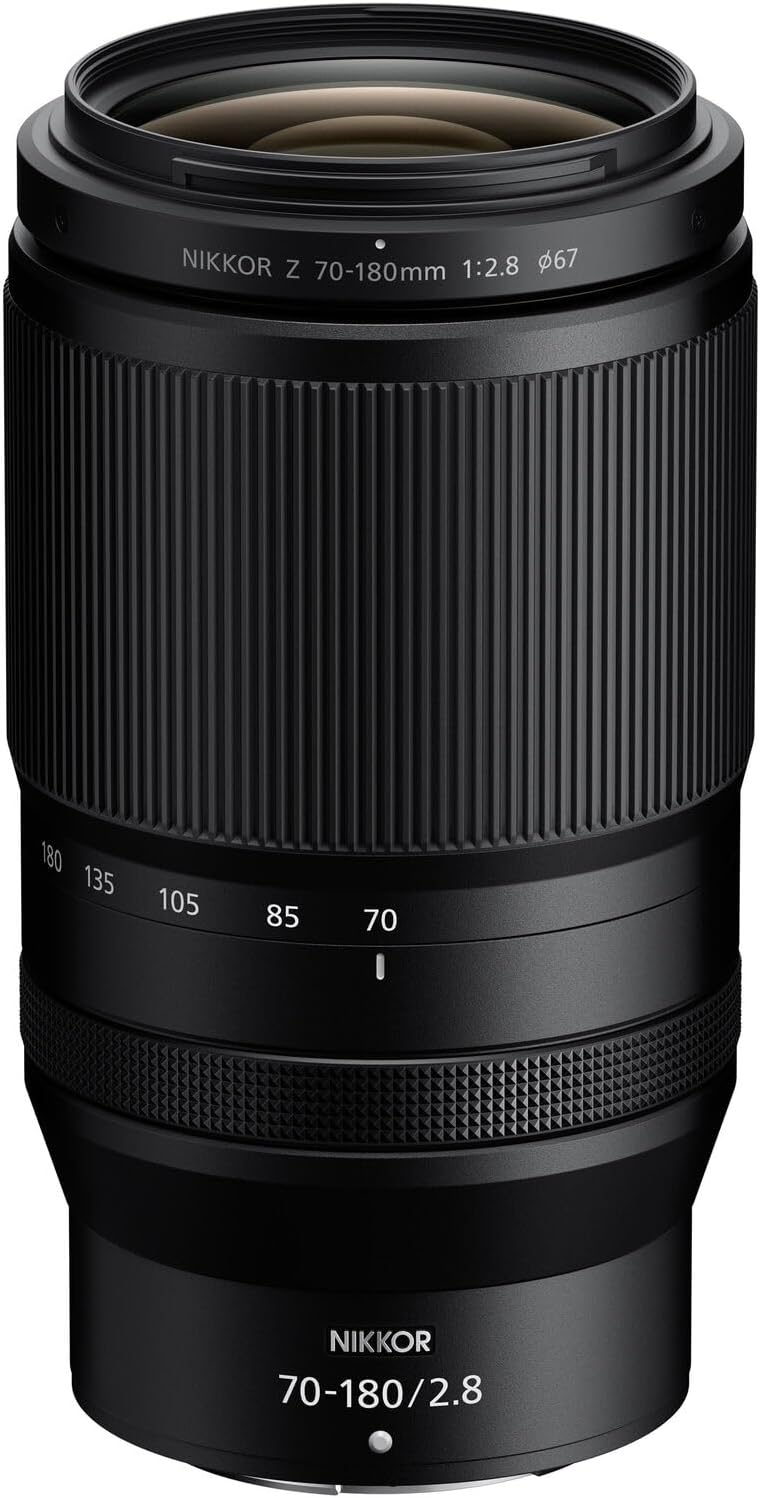
While the Sigma 100-400mm offers excellent value, the market for telephoto zoom lenses is competitive. Other brands offer lenses with similar or better specifications, sometimes with faster apertures or advanced features, albeit at a higher price.
Conclusion
The Sigma 100-400mm F5-6.3 DG DN OS is a well-balanced lens that offers significant advantages for bird photographers, especially those who prioritize portability and budget. Its strengths lie in its versatile focal range, effective stabilization, and robust construction, making it a worthy companion on birdwatching adventures.
However, it’s important to weigh these benefits against its limitations, such as its narrow aperture range and the lack of a tripod collar. Ultimately, the decision comes down to individual needs and shooting styles. For those who can work within its limitations, the Sigma 100-400mm is a lens that delivers impressive results, capturing the essence and beauty of birds in their natural settings.
Whether you’re a seasoned bird photographer or a beginner looking to explore this fascinating field, the Sigma 100-400mm F5-6.3 DG DN OS offers a compelling combination of performance, quality, and value.
We are affiliated with Amazon and make a small royalty at no extra cost to you, so by using the links below to purchase your next birding gear you can help us to maintain Simply Birding and continue to bring great content:
Buy the Sigma 100-400mm F 5-6.3 DG DN OS on Amazon now
Related posts