The Nikon NIKKOR Z 58mm f/0.95 S Noct: A Bird Enthusiast’s Perspective
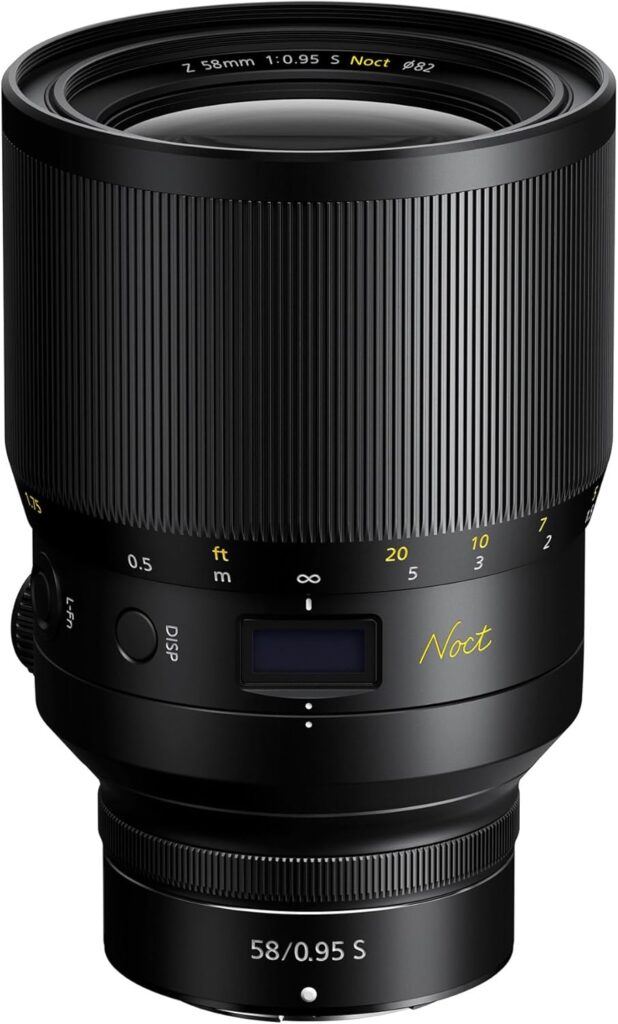
For bird enthusiasts, capturing the intricate details and vibrant colors of avian species is a rewarding challenge. The Nikon NIKKOR Z 58mm f/0.95 S Noct lens stands out as a formidable tool in achieving this goal, offering a blend of cutting-edge optical performance and unique design features. However, like any piece of equipment, it comes with both its strengths and limitations. This article dives into both the positive and negative aspects of the Noct lens specifically from a bird photography standpoint.
Unparalleled Optical Performance
Exceptional Low-Light Capabilities
One of the most significant advantages of the NIKKOR Z 58mm f/0.95 S Noct is its incredible maximum aperture of f/0.95. This feature allows bird photographers to capture images in extremely low-light situations, such as during dawn and dusk when many bird species are most active. The ability to shoot at such wide apertures means faster shutter speeds can be used, reducing motion blur and resulting in sharper images of birds in flight or rapidly moving subjects.
Superior Bokeh Quality
The Noct lens excels in creating beautiful bokeh, which is the aesthetic quality of the out-of-focus areas in an image. With its ultra-wide aperture, the Noct produces a creamy, smooth bokeh that isolates subjects from the background, making it ideal for portrait-style bird photography. This feature helps emphasize the unique characteristics and colors of bird plumage, adding an artistic element to wildlife photographs.
Exceptional Sharpness and Detail
Thanks to Nikon’s advanced optical design, the Noct lens delivers outstanding sharpness and detail across the frame. This sharpness is crucial for bird enthusiasts who wish to capture the fine details of feathers and other intricate features of avian subjects. The lens’ ability to maintain high resolution even at wide apertures ensures that photographs retain critical detail and clarity.
Challenges and Limitations
Weight and Portability
One of the main drawbacks of the NIKKOR Z 58mm f/0.95 S Noct is its weight and size. Weighing in at approximately 2 kg (4.4 lbs), it is significantly heavier than most lenses typically used for bird photography. This added weight can be cumbersome during extended shooting sessions, particularly in the field where mobility is crucial. For bird photographers who prefer a lightweight kit for trekking through nature reserves or dense forests, this lens may prove to be a challenge.
Limited Focal Length
While the 58mm focal length of the Noct is excellent for general photography and certain types of bird photography, it is not ideal for capturing distant subjects. Bird enthusiasts often require longer focal lengths to adequately frame birds that are far away or high up in trees. This limitation means that the Noct may not be the best choice for every birding scenario, particularly when photographing elusive or flighty species.
Lack of Autofocus
Another notable limitation is the absence of autofocus, as the Noct is a manual focus lens. For bird photographers accustomed to the speed and precision of autofocus systems, this can be a significant drawback. Capturing birds in motion requires quick adjustments, and manual focusing can be challenging, especially for those new to the technique. While the lens does offer precise manual focus control, it demands an experienced hand to ensure that fast-moving subjects are captured sharply.
Price Consideration
The Noct lens is positioned as a premium offering, with a price tag that reflects its advanced design and capabilities. For bird enthusiasts on a budget, the cost of this lens may be prohibitive. Investing in such a high-end lens requires careful consideration of one’s photographic needs and priorities, as well as an assessment of whether the unique benefits of the Noct align with personal shooting styles and requirements.
Final Thoughts
The Nikon NIKKOR Z 58mm f/0.95 S Noct is a remarkable lens that offers bird photographers exceptional image quality and creative potential. Its ability to perform in low-light conditions, coupled with its superior bokeh and sharpness, make it a desirable tool for those looking to elevate their bird photography. However, its weight, manual focusing, and limited focal length present significant challenges that should be weighed carefully against the lens’s benefits.
For bird enthusiasts who prioritize image quality and artistic expression over convenience and reach, the Noct can be a valuable addition to their kit. Ultimately, whether this lens is the right choice depends on individual needs, shooting environments, and personal preferences. Those willing to embrace its challenges will find that the Noct lens can deliver breathtaking results that capture the beauty and wonder of avian life.
Related posts