Nikon NIKKOR Z 28-400mm f/4-8 VR: A Bird Enthusiast’s Lens of Choice?
In the vibrant world of bird photography, equipment plays a pivotal role in capturing the beauty and essence of avian subjects. The Nikon NIKKOR Z 28-400mm f/4-8 VR lens has emerged as a noteworthy option for both amateur and professional bird photographers. This article delves into the features that make this lens appealing, while also examining its limitations to provide a balanced view for bird enthusiasts.
A Versatile Zoom Range
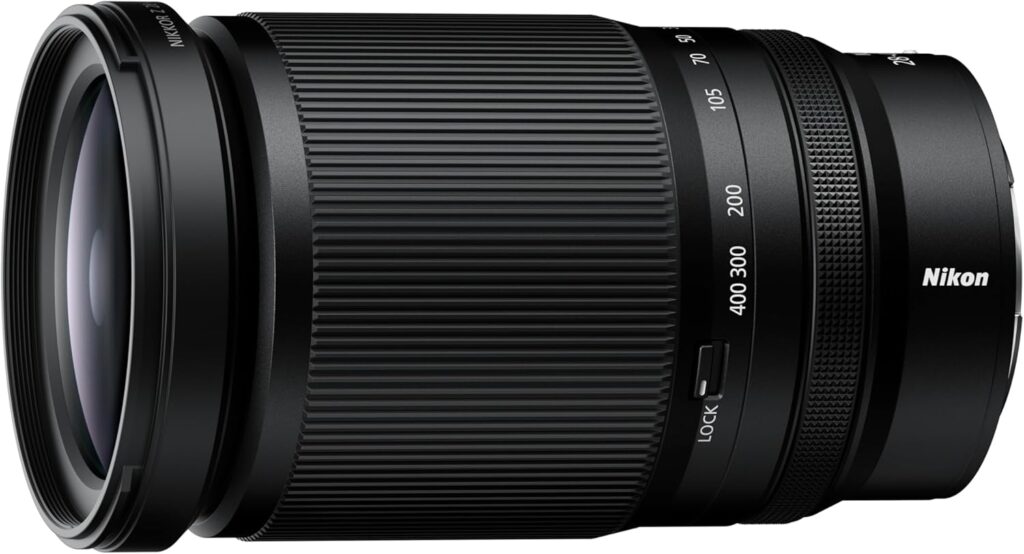
One of the standout features of the NIKKOR Z 28-400mm is its expansive zoom range. Covering from 28mm to 400mm, the lens allows photographers to capture wide-angle shots of birds in their natural habitat and also zoom in for detailed, close-up shots. This versatility means that bird photographers can adapt to different scenarios without needing to change lenses, making it an excellent choice for those who value convenience and flexibility in the field.
For bird enthusiasts who enjoy photographing birds in flight or in dynamic environments, the ability to quickly adjust from capturing a broad scene to a detailed image of a specific bird is invaluable. This feature can particularly benefit those who participate in birdwatching tours or who need to adapt rapidly to changing conditions.
Optical Image Stabilization
The NIKKOR Z 28-400mm lens is equipped with Nikon’s Vibration Reduction (VR) technology, which is essential for handheld photography, especially at longer focal lengths. Bird photography often requires shooting in challenging conditions where tripods might not be feasible, such as uneven terrains or dense forests. The VR feature helps reduce camera shake, ensuring sharper images even at slower shutter speeds.
This stabilization is particularly beneficial during those early morning or late evening shoots when light conditions are less than ideal. Bird enthusiasts can, therefore, continue capturing detailed images without worrying about motion blur, thus broadening the opportunities for photographing in various lighting conditions.
Build Quality and Handling
The construction of the NIKKOR Z 28-400mm lens reflects Nikon’s commitment to quality. It is designed to withstand the rigors of outdoor photography, with weather sealing that protects against dust and moisture. This durability is crucial for bird photographers who often find themselves shooting in unpredictable environments.
The lens is also relatively lightweight given its range, making it easier to handle during long shooting sessions. The ergonomic design ensures that it sits comfortably in the hand, which is important for photographers who might spend hours waiting for the perfect shot.
Autofocus Performance
When it comes to bird photography, quick and accurate autofocus is paramount. The NIKKOR Z 28-400mm f/4-8 VR boasts a fast and precise autofocus system that performs admirably when tracking fast-moving subjects. This capability is particularly useful for capturing birds in flight or during rapid movements.
However, some users have noted that the autofocus can occasionally hunt in low-light conditions or when attempting to lock onto small subjects amidst cluttered backgrounds. Bird enthusiasts might find this a minor hindrance, especially when trying to capture elusive species in dense foliage.
Aperture Limitations
One of the primary criticisms of the NIKKOR Z 28-400mm is its variable aperture, ranging from f/4 to f/8. While this is a common trade-off in lenses with such extensive zoom ranges, the narrower aperture at the long end can limit its performance in low-light conditions. Bird photographers might find this challenging during dawn or dusk shoots when light is scarce.
The limited aperture range also affects depth of field control, which can be a consideration for photographers who like to isolate their subjects with a pleasing bokeh. However, for many bird enthusiasts, the convenience of the zoom range may outweigh these aperture limitations.
Conclusion
The Nikon NIKKOR Z 28-400mm f/4-8 VR lens offers a compelling package for bird photographers, combining versatility, stabilization, and durable build quality in one unit. While it does have its limitations, particularly with its variable aperture and occasional autofocus challenges, the benefits it provides make it a strong contender for those looking to capture the essence of birdlife.
For bird enthusiasts who prioritize flexibility, the ability to transition seamlessly between wide-angle and telephoto shots, and durability in their gear, this lens is a worthy consideration. As with any piece of equipment, understanding its strengths and weaknesses will allow photographers to make the most of its capabilities, ensuring that every shot is as captivating as the birds themselves.
In summary, the NIKKOR Z 28-400mm f/4-8 VR lens stands as a versatile tool in the arsenal of any bird photographer, offering the means to capture breathtaking images of our feathered friends in their natural splendor.
Related posts