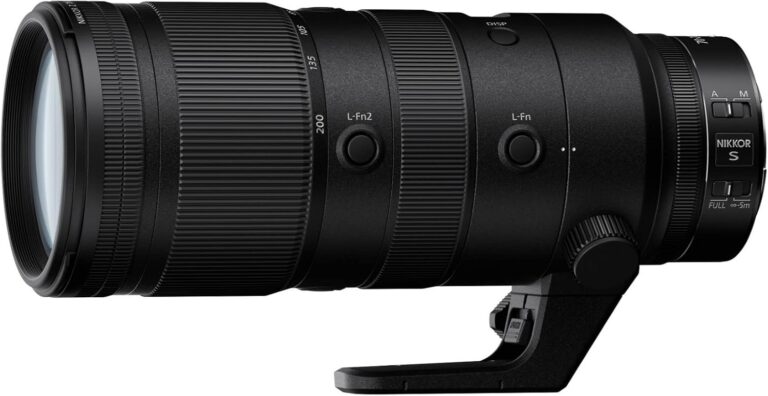
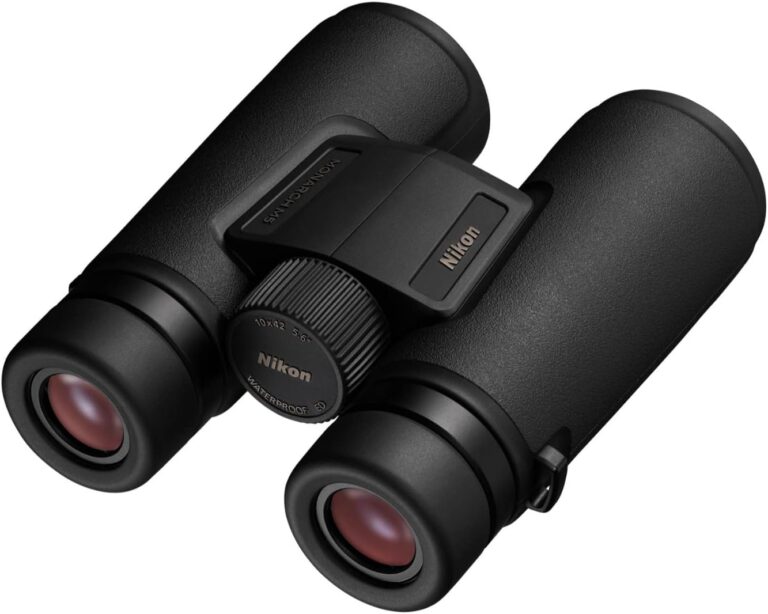
The Nikon Z9 represents Nikon’s most powerful mirrorless camera to date, and it has quickly become a top contender among professional wildlife and bird photographers. With its flagship-level performance, robust build quality, and cutting-edge autofocus system, the Z9 is a landmark release not just for Nikon but for mirrorless photography as a whole. This article will evaluate the Nikon Z9 specifically for bird photography, examining its strengths, weaknesses, and suitability for professionals and serious enthusiasts alike.
Sensor and Image Quality
At the heart of the Nikon Z9 is a 45.7-megapixel stacked CMOS sensor with no mechanical shutter. This sensor delivers high-resolution images with excellent dynamic range, making it ideal for capturing intricate feather details and subtle tonal variations in birds, especially in complex lighting scenarios like forest shadows or bright open skies.
The native ISO range of 64–25,600 (expandable to 32–102,400) allows for solid low-light performance. This is crucial in early morning or late afternoon conditions—the golden hours preferred by bird photographers. High ISO shots remain impressively clean up to around ISO 6400, with fine feather detail still preserved. Noise becomes more noticeable at higher sensitivities, but the Z9 holds its own against competitors in this department.
Autofocus Performance
One of the standout features of the Z9 is its autofocus system. With 493 AF points and Nikon’s most advanced 3D tracking system, the Z9 delivers fast, accurate focus acquisition and tracking across the entire frame. For bird photographers, especially those tracking birds in flight (BIF), this is a game-changer.
The real-time subject detection algorithms in the Z9 recognize birds as part of its dedicated subject tracking. This means the camera can lock onto a flying bird—even against a busy background like tree branches or cliffs—and keep it in focus as it moves across the frame. Eye detection for birds, while not flawless, is significantly better than earlier models and competitive with other top-tier mirrorless systems like the Sony A1 or Canon R3.
The Z9 can shoot at up to 20 frames per second (fps) in RAW and 30 fps in JPEG full resolution. For high-speed action like birds taking off, hunting, or engaging in aerial displays, this burst rate ensures you don’t miss the decisive moment.
Electronic Viewfinder and Display
The Z9 uses a blackout-free electronic viewfinder (EVF) with a resolution of 3.69 million dots. While this isn’t the highest resolution EVF on the market, it delivers a real-time, uninterrupted view which is particularly beneficial when tracking fast-moving birds. The refresh rate and minimal lag enhance the shooting experience, creating a near-optical viewfinder feel.
The 3.2-inch, four-axis tilting touchscreen is versatile for composing low-angle or high-angle shots, such as photographing wading birds or birds perched above eye level. It’s especially useful when shooting from ground level, offering flexibility without forcing the photographer into uncomfortable positions.
Build Quality and Weather Sealing
Bird photography often means shooting in rugged outdoor environments—muddy swamps, humid forests, dusty plains, or coastal cliffs. The Nikon Z9 is built like a tank, with full magnesium alloy construction and extensive weather sealing. This camera can confidently withstand harsh elements, including rain, humidity, and sand.
At 1340 grams (with battery and card), it’s a heavy camera, more in line with DSLR weights than the typical mirrorless form factor. For handheld bird photography, this can lead to fatigue during long outings. However, when paired with a monopod or gimbal, the weight becomes more manageable—particularly with heavier telephoto lenses.
Battery Life
The Z9 is powered by the EN-EL18d battery, the same line used in Nikon’s flagship DSLRs like the D6. Real-world use sees around 700–1200 shots per charge, depending on how intensively you’re using the EVF, display, and high-speed bursts. This is a notable improvement over many other mirrorless cameras and reduces the need to carry multiple spares for a full day of birding.
Lens Ecosystem and Compatibility
One of the concerns for bird photographers considering the switch to Nikon’s Z system is lens availability—especially for super-telephoto options. Fortunately, Nikon has significantly expanded its Z-mount lens lineup. The Nikkor Z 400mm f/2.8 TC VR S, Z 600mm f/4 TC VR S, and Z 800mm f/6.3 VR S are exceptional lenses designed with bird and wildlife photography in mind.
Moreover, the FTZ II adapter allows users to mount Nikon’s legacy F-mount lenses without significant performance loss, including the legendary 500mm and 600mm primes. Autofocus performance with adapted lenses remains excellent, meaning those with existing Nikon glass can transition to the Z9 without needing to rebuild their kit from scratch.
Video Capabilities for Birders
The Z9 is not just a powerhouse for stills—it excels in video as well. It offers 8K/30p and 4K/120p internal recording with 10-bit color. For bird videographers or those wanting to shoot slow-motion footage of birds in flight or behavioral sequences, this opens up new creative possibilities.
Birders documenting rare species, behaviors, or simply capturing high-quality field video will appreciate the flexibility and cinematic quality. The camera also supports ProRes and N-RAW formats for serious post-processing workflows.
Workflow, Storage, and Connectivity
The Z9 supports dual CFexpress Type B/XQD cards, which are necessary for its high data throughput, especially during 20 fps RAW bursts or 8K video capture. For field photographers, these cards are expensive but essential.
Built-in Wi-Fi and Bluetooth, along with USB-C and Ethernet ports, enable flexible connectivity options. Nikon’s SnapBridge app also allows quick transfers to smartphones, though it’s not as streamlined as Canon’s or Sony’s mobile workflows.
Limitations and Considerations
Despite its many strengths, the Nikon Z9 is not without some limitations for bird photographers:
- Weight: At over 1.3kg body-only, the Z9 is heavier than many mirrorless options. Handheld shooting for extended periods is challenging.
- Price: At around $5,500 USD (body only), the Z9 is a significant investment. Coupled with Z-mount super-telephoto lenses, the total cost can rival or exceed DSLR systems.
- Learning Curve: Transitioning from DSLR to mirrorless requires adapting to EVF behavior, electronic shutter shooting, and customizable control layouts. Some users may find this transition non-trivial.
Final Verdict: Is the Z9 Right for Bird Photography?
The Nikon Z9 is a groundbreaking camera that has firmly established Nikon as a top-tier player in the mirrorless world. For bird photography, it delivers on nearly every front: fast and reliable autofocus, incredible image quality, excellent build, and robust telephoto lens support.
For professional bird photographers and advanced amateurs who demand the best performance in the field, the Z9 is arguably the most complete mirrorless body available today. It competes directly with the Canon EOS R3 and Sony A1, often outperforming them in areas like resolution, battery life, and raw image detail.
While the price and weight may deter casual users, serious birders will find the Z9 a deeply rewarding tool—capable of keeping up with the fastest birds and harshest conditions without compromise.
Related posts