Zino’s Petrel: A Beacon of Hope for Avian Conservation
The avian world is replete with remarkable species, each with its own unique story of survival and adaptation. Among these, Zino’s Petrel (Pterodroma madeira) stands out not only for its rarity but also for its inspiring tale of conservation success. Native to the rugged mountains of Madeira, an island in the North Atlantic, this elusive bird has become a symbol of hope for conservationists worldwide.
An Endemic Treasure
Zino’s Petrel is one of the rarest seabirds on the planet, with an estimated population of just 65 to 80 breeding pairs. Endemic to Madeira, this species was once thought to be extinct until it was rediscovered in the mid-20th century. These birds are nocturnal, spending their days at sea and returning to land only to breed. Their nests are located in the high-altitude ledges and crevices of Madeira’s central mountain range, which provides a natural fortress against predators.
Physical Characteristics and Behavior
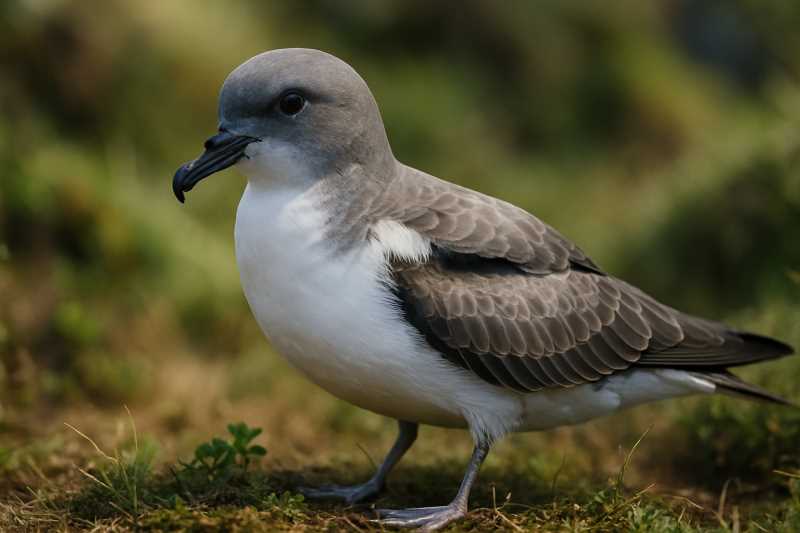
Zino’s Petrel is a medium-sized bird, with a wingspan of approximately 80 to 90 centimeters. It has a characteristic grayish-brown plumage on its back, a white belly, and a distinct dark cap on its head. The bird’s slender wings and agile flight patterns make it well-suited for life at sea, where it feeds primarily on squid and small fish.
These petrels are known for their hauntingly beautiful calls, which can be heard echoing through the mountains during the breeding season. This vocalization is not only a means of communication between mates but also serves as a territorial marker.
Conservation Challenges
Despite its remote habitat, Zino’s Petrel faces numerous threats. Historically, habitat destruction and human disturbance were significant challenges. However, the most pressing threats today come from invasive species, particularly rats and feral cats, which prey on eggs and young chicks. Additionally, climate change poses a long-term threat by altering the petrel’s marine food resources and potentially increasing the frequency of storms that can destroy nesting sites.
In 2010, a devastating wildfire swept through the central mountains of Madeira, destroying much of the petrel’s breeding habitat and causing significant mortality among adults and chicks. This disaster highlighted the vulnerability of the species and the urgent need for effective conservation measures.
Conservation Efforts and Success
The plight of Zino’s Petrel has galvanized conservationists, leading to concerted efforts to protect and recover the species. The key to these efforts has been habitat restoration and predator control. Conservationists have worked tirelessly to remove invasive species from the breeding areas and have implemented measures to prevent their return. Additionally, artificial burrows have been constructed to provide safe nesting sites.
The establishment of the Madeira Natural Park and the designation of the petrel’s breeding grounds as a Special Protection Area under the European Union’s Birds Directive have been crucial in providing a legal framework for conservation actions. Furthermore, international collaboration has played a significant role in funding and supporting research and conservation initiatives.
One of the most heartening developments has been the involvement of local communities and stakeholders in conservation efforts. Educational programs have raised awareness about the importance of preserving Zino’s Petrel and its habitat, fostering a sense of pride and stewardship among the island’s residents.
The Road Ahead
While significant progress has been made, the future of Zino’s Petrel remains uncertain. Continued vigilance is required to manage existing threats and mitigate potential new ones. Climate change, in particular, remains a formidable challenge that requires adaptive management strategies and ongoing research to understand its impacts on the petrel’s marine environment.
Moreover, the success of conservation efforts for Zino’s Petrel has important implications for other endangered species. It demonstrates the effectiveness of targeted, science-based interventions and the power of collaboration between governments, NGOs, scientists, and local communities.
In conclusion, Zino’s Petrel is more than just a rare bird; it is a testament to human determination and the possibility of reversing the tide of biodiversity loss. By safeguarding this unique species, we not only preserve the natural heritage of Madeira but also maintain the ecological balance that supports countless other life forms. As we look to the future, Zino’s Petrel serves as a reminder of what can be achieved when we unite for a common cause.
Related posts