The Unique Adaptations of the Woodpecker Finch
The Woodpecker Finch (Camarhynchus pallidus) is a remarkable avian species that has captured the attention of ornithologists and naturalists around the world. Endemic to the Galápagos Islands, this bird is a prime example of adaptive evolution, showcasing the intricate relationship between species and their environments. This article delves into the fascinating ecology, behavior, and evolutionary significance of the Woodpecker Finch.
Habitat and Distribution
The Woodpecker Finch is found primarily on the islands of Isabela, Santa Cruz, Fernandina, Santiago, and a few neighboring islands within the Galápagos archipelago. These islands provide a diverse range of habitats, from arid lowlands to humid highlands, allowing the finch to exploit various ecological niches. The adaptability of the Woodpecker Finch to these different environments underscores its evolutionary success in the Galápagos.
Physical Characteristics
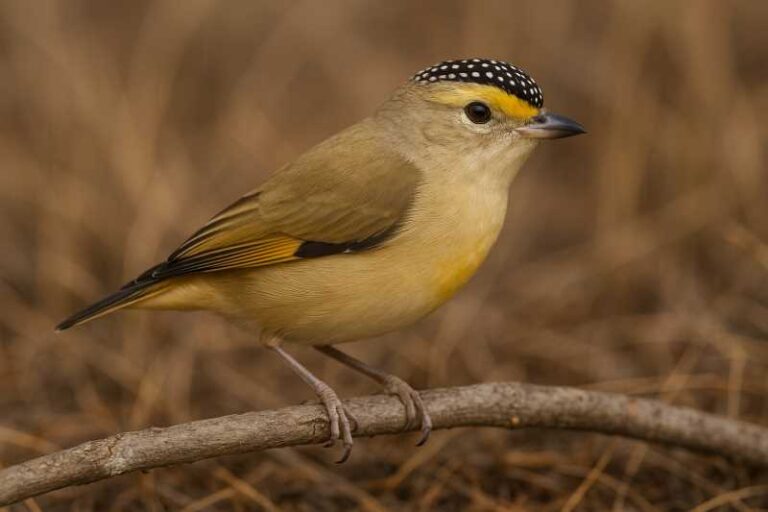
Measuring approximately 12-15 cm in length and weighing around 20-30 grams, the Woodpecker Finch is relatively small. It boasts a predominantly grayish-brown plumage, which provides excellent camouflage against the volcanic landscapes of the islands. Its beak, however, is where it truly stands out. Unlike other finches, the Woodpecker Finch has a straight and robust beak that is adept at handling twigs and probing into tree bark to extract insects.
Unique Foraging Behavior
The Woodpecker Finch is renowned for its tool-using capabilities, a rare trait in the avian world. This finch employs twigs, cactus spines, or leaf stems as tools to extract larvae and insects from tree bark and crevices. This behavior is not only indicative of the bird’s intelligence but also its remarkable adaptation to the resource-scarce environments of the Galápagos.
Observations have shown that the Woodpecker Finch can modify its tools to fit specific tasks, a behavior that is strikingly similar to the tool use observed in primates. This intricate foraging technique allows the Woodpecker Finch to access food sources that are unavailable to other birds, thereby reducing competition and increasing its survival prospects.
Diet and Feeding Habits
Primarily insectivorous, the Woodpecker Finch’s diet consists mainly of beetle larvae, caterpillars, and other small invertebrates. However, it is also known to consume fruits and seeds, particularly during periods when insect prey is scarce. This dietary flexibility is another testament to the finch’s adaptability and resilience in the face of environmental changes.
Role in Evolutionary Studies
The Woodpecker Finch holds a significant place in the study of evolutionary biology. As one of Darwin’s finches, this species has contributed to our understanding of natural selection and adaptive radiation. Charles Darwin’s observations of the Galápagos finches, including the Woodpecker Finch, during his voyage on the HMS Beagle laid the groundwork for his theory of evolution by natural selection.
The distinct beak morphology and tool-using behavior of the Woodpecker Finch exemplify the concept of adaptive evolution, where species develop traits that enhance their survival in specific environments. These finches showcase how isolated populations can evolve distinct characteristics in response to environmental pressures, offering invaluable insights into the mechanisms of evolution.
Conservation Status
The Woodpecker Finch is currently listed as “Least Concern” by the International Union for Conservation of Nature (IUCN). However, like many species in the Galápagos, it faces threats from habitat loss, invasive species, and climate change. Conservation efforts in the region focus on habitat preservation, invasive species control, and raising awareness about the ecological significance of these unique birds.
Conclusion
The Woodpecker Finch is a testament to the incredible adaptability and ingenuity of nature. Its tool-using behavior, dietary flexibility, and evolutionary significance make it a subject of fascination for scientists and bird enthusiasts alike. As we continue to study and protect the unique biodiversity of the Galápagos Islands, the Woodpecker Finch serves as a reminder of the intricate connections between species and their environments, and the ongoing processes of evolution that shape the natural world.
The study of such species not only enriches our understanding of biology but also highlights the importance of preserving the delicate ecosystems that support such diversity. As climate change and human activities continue to threaten natural habitats, the conservation of species like the Woodpecker Finch becomes ever more critical in maintaining the ecological balance and evolutionary heritage of our planet.
Related posts