Exploring the Tawitawi Brown Dove: A Beacon of Biodiversity
The Tawitawi Brown Dove, scientifically known as *Phapitreron cinereiceps*, is a captivating yet elusive avian species native to the Philippines. This bird, which is endemic to Tawi-Tawi, an island province in the southernmost part of the country, plays a significant role in the region’s biodiversity and ecological balance. However, it faces numerous threats that challenge its survival. This article delves into the unique characteristics, habitat, conservation status, and ecological significance of the Tawitawi Brown Dove.
Unique Characteristics
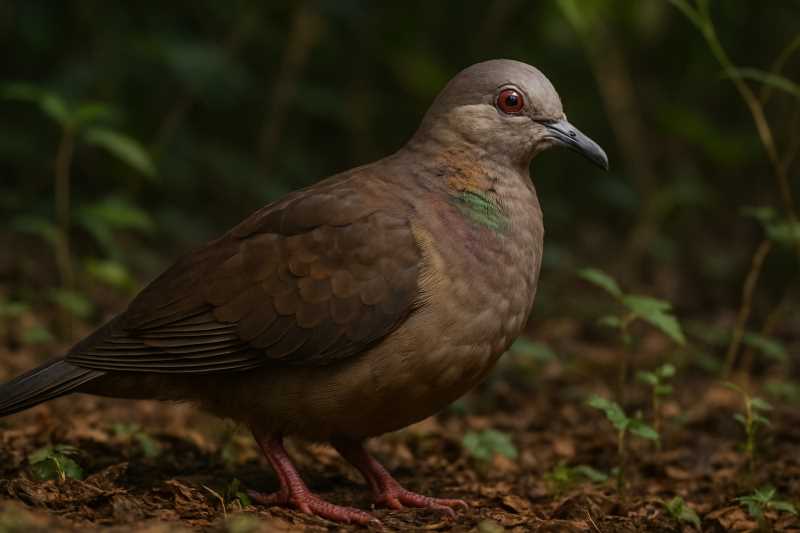
The Tawitawi Brown Dove is distinguished by its subtle beauty and distinct features. It is a medium-sized bird, measuring approximately 24-27 centimeters in length. The dove’s plumage is primarily brown, which provides a natural camouflage against the forest backdrop. Its head is slightly darker, with a hint of grey that gives it a unique appearance. The bird’s eyes are a striking reddish-brown, adding to its allure.
One of the most notable features of the Tawitawi Brown Dove is its call, which is a low, resonant ‘woo-woo’ sound that reverberates through the dense forest. This vocalization plays a crucial role in communication, especially during the breeding season, when males use their calls to attract mates.
Habitat and Distribution
The Tawitawi Brown Dove is endemic to the Tawi-Tawi Island group, which is part of the Sulu Archipelago in the Philippines. These islands are characterized by tropical rainforests, which provide an ideal habitat for the dove. The dense forest canopy offers both food and shelter, making it a crucial environment for the bird’s survival.
Unfortunately, the habitat of the Tawitawi Brown Dove is under threat due to human activities. Deforestation, driven by logging and agricultural expansion, has resulted in significant habitat loss. The ongoing destruction of forests reduces the available resources and nesting sites, pushing the species towards a precarious existence.
Conservation Status
The International Union for Conservation of Nature (IUCN) has classified the Tawitawi Brown Dove as Critically Endangered. This status is a result of its limited distribution, small population size, and the rapid decline of its habitat. Conservation efforts are urgently needed to protect the remaining populations and ensure the species’ survival.
Efforts to conserve the Tawitawi Brown Dove are underway, spearheaded by local and international environmental organizations. These initiatives focus on habitat protection and restoration, as well as raising awareness about the dove’s plight. Community involvement is crucial, as local residents play a key role in conservation efforts. Education programs aim to inform communities about the importance of preserving their natural heritage and the benefits of biodiversity.
Ecological Significance
The Tawitawi Brown Dove is more than just a bird; it is an integral part of its ecosystem. As a frugivore, it plays a vital role in seed dispersal, contributing to forest regeneration and the maintenance of biodiversity. By consuming a variety of fruits, the dove aids in the propagation of numerous plant species, some of which are endemic to the region.
Moreover, the presence of the Tawitawi Brown Dove is an indicator of the health of the forest ecosystem. A healthy dove population suggests a well-balanced environment with adequate resources and minimal human disturbance. Therefore, conserving this species helps ensure the overall health and resilience of the forest ecosystem.
Challenges and Future Directions
Despite ongoing conservation efforts, the future of the Tawitawi Brown Dove remains uncertain. The primary challenge is addressing the root causes of habitat destruction, such as illegal logging and land conversion for agriculture. Strengthening law enforcement and implementing sustainable land-use practices are critical steps towards mitigating these threats.
Additionally, further research is needed to gather more information about the dove’s ecology, behavior, and population dynamics. Such data will inform conservation strategies and help identify priority areas for protection. Collaborative efforts between government agencies, non-governmental organizations, and local communities are essential to ensure the effective implementation of conservation measures.
In conclusion, the Tawitawi Brown Dove is a symbol of the rich biodiversity found in the Philippines. Protecting this species is not only a moral obligation but also an ecological necessity. By conserving the Tawitawi Brown Dove, we safeguard not just a single species, but the intricate web of life that sustains our planet.
Related posts