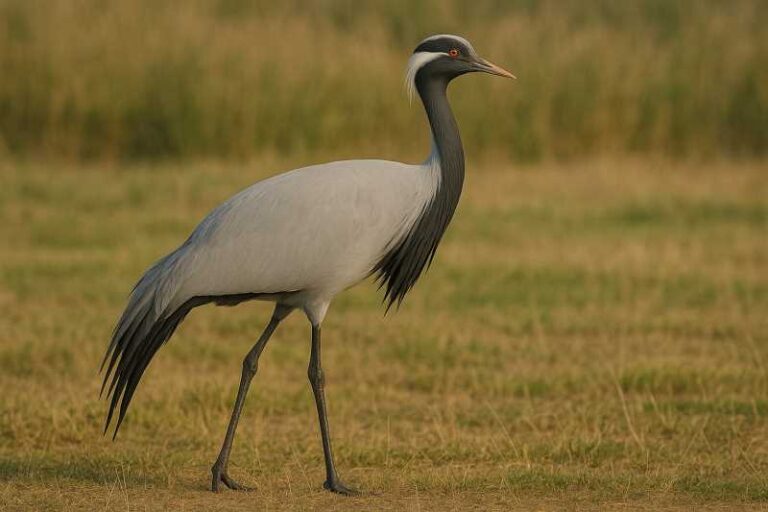
The Majestic Return of the Short-tailed Albatross
The Short-tailed Albatross (Phoebastria albatrus), once thought extinct, is a testament to nature’s resilience and the power of conservation efforts. This magnificent seabird, with its distinctive golden crown and robust wingspan, has captured the imagination and dedication of ornithologists and conservationists worldwide. This article delves into the fascinating history, biology, and conservation efforts surrounding this remarkable species.
Historical Context and Decline
The Short-tailed Albatross, also known as the “Steller’s Albatross,” was once abundant in the North Pacific Ocean. These birds were a common sight across the coasts of Japan, the Aleutian Islands, and even the shores of California. However, the 19th and early 20th centuries brought drastic changes. The plume trade, which sought the striking feathers of these albatrosses for fashion, led to extensive hunting. By the mid-20th century, the species was believed extinct, with no sightings reported for decades.
The story of the Short-tailed Albatross is a somber reminder of the impact of human activities on wildlife. Their decline was not just due to hunting; habitat destruction and introduced predators on nesting islands further devastated their populations. However, in a remarkable turn of events, a small breeding colony was discovered on Torishima Island in the 1950s, sparking hope and a renewed interest in their conservation.
Biological Characteristics
The Short-tailed Albatross is one of the largest seabirds, with adults weighing up to 10 kilograms and having a wingspan that can exceed 2 meters. Their most distinctive feature is their golden-yellow crown and nape, which contrasts beautifully with their white body and dark wings. Juveniles are more uniformly brown, gradually acquiring their adult plumage over several years.
These albatrosses are long-lived, with some individuals reaching over 40 years of age. They are pelagic, spending most of their life at sea, only returning to land to breed. Their diet primarily consists of squid, fish, and crustaceans, which they skillfully capture using their keen eyesight and exceptional flying abilities.
Breeding occurs on remote islands, with Torishima and the Senkaku Islands being the primary sites. The breeding season is a protracted affair, with pairs forming long-lasting monogamous bonds. A single egg is laid, and both parents share incubation duties, which last about two months. Once hatched, the chick takes several months to fledge, during which it is fed regurgitated food by the parents.
Conservation Efforts and Successes
The rediscovery of the Short-tailed Albatross ignited extensive conservation efforts. Japan, the United States, and various international organizations have collaborated to protect and increase the population of this endangered bird. Legal protections, such as designating critical habitats and implementing strict anti-poaching measures, have been crucial.
One of the most successful conservation strategies has been habitat restoration. On Torishima Island, efforts to stabilize the volcanic soil and replant native vegetation have been pivotal. Additionally, the introduction of decoys and audio recordings has encouraged albatrosses to establish new colonies on safer, predator-free islands.
Another innovative project involves translocating chicks to establish a new breeding colony on Mukojima Island, part of the Bonin Islands. This effort aims to create a backup population to safeguard against potential disasters, such as volcanic eruptions on Torishima.
Thanks to these efforts, the global population of Short-tailed Albatrosses has steadily increased, with estimates suggesting over 5,000 individuals today. While still classified as “Vulnerable” by the IUCN Red List, their recovery is a beacon of hope, showcasing what concerted global conservation efforts can achieve.
The Future of the Short-tailed Albatross
Despite the positive trends, the Short-tailed Albatross faces ongoing threats. Climate change poses significant risks, potentially altering oceanic conditions and food availability. Furthermore, bycatch in fisheries remains a persistent problem. Entanglement in fishing gear can lead to severe injuries or death, making the need for sustainable fishing practices and mitigation measures more critical than ever.
Public awareness and education play a vital role in the continued recovery of the Short-tailed Albatross. By highlighting their story, we can inspire greater appreciation for biodiversity and the importance of preserving our planet’s natural heritage. Organizations and governments must continue to work together, ensuring that the Short-tailed Albatross not only survives but thrives for generations to come.
In conclusion, the Short-tailed Albatross is a symbol of hope and resilience. Its journey from the brink of extinction to a growing population is a testament to the power of human intervention and the indomitable spirit of nature. As we look to the future, let us commit to safeguarding this majestic bird and the delicate ecosystems it calls home.
Related posts