Exploring the Enigmatic Perija Antpitta: A Jewel of the Avian World
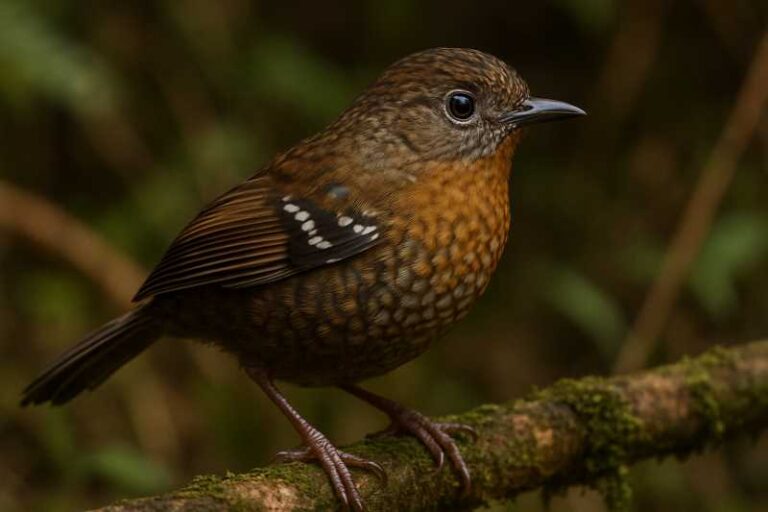
The Perija Antpitta (Grallaria saltuensis) is a captivating yet elusive bird species that has intrigued ornithologists and bird enthusiasts alike. Nestled in the isolated mountains of the Serranía del Perijá, which straddles the border between Colombia and Venezuela, this bird is a symbol of the rich biodiversity and ecological significance of the region. Despite its elusive nature, the Perija Antpitta offers a fascinating glimpse into the unique evolutionary pathways of Andean avifauna.
Discovering the Perija Antpitta
The Perija Antpitta was first scientifically described in the mid-20th century. However, the bird’s remote habitat and secretive behavior have meant that sightings are rare, contributing to its air of mystery. The species belongs to the family Grallariidae, commonly known as antpittas, which are known for their elusive nature and ground-dwelling habits. These birds are characterized by their plump bodies, long legs, and short tails, which are well adapted to their terrestrial lifestyle in dense forest undergrowth.
Habitat and Distribution
The Perija Antpitta inhabits the humid montane forests of the Serranía del Perijá, a mountain range that forms part of the Northern Andes. This region is a biodiversity hotspot, home to numerous endemic species. The Perija Antpitta’s range is primarily restricted to altitudes between 1,500 and 3,000 meters, where it occupies the dense, moss-laden understory of cloud forests. The remoteness and rugged terrain of the Serranía del Perijá have historically limited human access, allowing the Perija Antpitta and other wildlife to thrive relatively undisturbed.
Behavior and Ecology
Like other antpittas, the Perija Antpitta is primarily insectivorous, feeding on a diet of insects and small invertebrates. Its foraging behavior involves hopping along the forest floor, turning over leaf litter to uncover prey. The species is notoriously difficult to observe due to its shy nature and preference for dense cover. Vocalizations play a crucial role in its behavior, with the bird’s call being one of the primary ways it is detected in the wild.
The breeding habits of the Perija Antpitta are not well-documented, but it is believed to be similar to that of other antpittas, involving the construction of a cup-like nest on or near the ground. Observations suggest that the species may be monogamous, with both parents involved in raising the young.
Conservation Status
The Perija Antpitta is currently classified as Vulnerable on the IUCN Red List of Threatened Species. This classification is due to its limited distribution and the ongoing threats to its habitat. Deforestation for agriculture, illegal logging, and the expansion of human settlements pose significant risks to the integrity of the Serranía del Perijá’s forests. Conservation efforts are critical to preserve the unique biodiversity of this region and ensure the survival of the Perija Antpitta.
Several conservation organizations are actively working to protect the habitat of the Perija Antpitta. Initiatives include promoting sustainable land-use practices, establishing protected areas, and engaging local communities in conservation efforts. These actions are vital for mitigating habitat loss and preserving the ecological balance of the region.
The Importance of Research and Conservation
The Perija Antpitta serves as a flagship species for the conservation of the Serranía del Perijá. Its presence indicates the health of the ecosystem, making it an important target for conservation efforts. Continued research is essential to better understand the species’ ecology, behavior, and population dynamics. Such knowledge is crucial for developing effective conservation strategies and ensuring the long-term survival of the Perija Antpitta.
In conclusion, the Perija Antpitta is a testament to the rich biodiversity and ecological importance of the Northern Andes. As a symbol of the natural heritage of the Serranía del Perijá, its conservation is not only vital for the species itself but also for the broader ecosystem it inhabits. Collaborative efforts among conservationists, researchers, and local communities are key to safeguarding this enigmatic bird and preserving the unique biodiversity of the region for future generations.
Related posts