The Giant Snipe: A Comprehensive Exploration of Gallinago undulata
Introduction
The Giant Snipe (Gallinago undulata) is a fascinating and elusive bird species that has captured the interest of ornithologists and bird enthusiasts alike. Known for its impressive size and distinct behaviors, the Giant Snipe inhabits the wetlands and marshy areas of South America. This article delves into the various aspects of this bird’s life, including its habitat, behavior, diet, and conservation status, providing a thorough understanding of its ecological significance.
Taxonomy and Classification
The Giant Snipe belongs to the family Scolopacidae, which encompasses a wide range of wading birds including sandpipers, godwits, and curlews. Within the genus Gallinago, the Giant Snipe is one of the largest species, characterized by its robust body and distinctive plumage. It is closely related to other snipe species, yet stands out due to its size and unique ecological adaptations.
Physical Characteristics
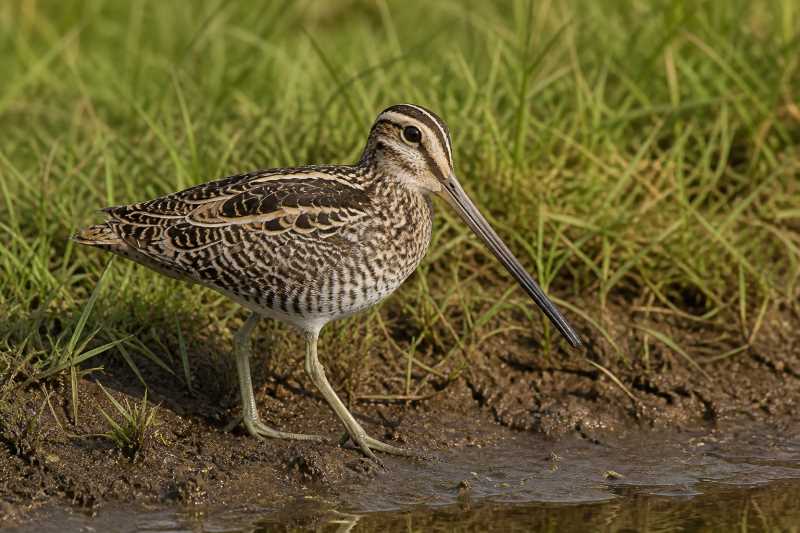
The Giant Snipe is aptly named for its size, with adults measuring between 27 to 32 centimeters in length and weighing around 230 to 370 grams. Its plumage is a mottled mix of browns and whites, providing excellent camouflage against the marshy environments it inhabits. The bird’s long, straight bill is a key adaptation for probing into soft mud in search of food. The eyes are positioned high on the head, granting a wide field of vision, crucial for detecting predators.
Habitat and Distribution
The Giant Snipe is predominantly found in the tropical and subtropical regions of South America, with a range that extends across countries such as Brazil, Venezuela, Colombia, and Argentina. Its preferred habitats include marshes, swamps, and wet grasslands, where it can often be found foraging at dawn or dusk. These environments are rich in invertebrates, which constitute the bulk of the snipe’s diet.
Behavior and Ecology
Giant Snipes are primarily solitary birds, though they may be seen in pairs during the breeding season. Known for being shy and elusive, these birds are more often heard than seen, with their distinctive calls echoing through the wetlands. Their cryptic plumage allows them to remain hidden from both predators and human observers.
The species is crepuscular, most active during the twilight hours of dawn and dusk. During these times, the Giant Snipe engages in foraging behavior, using its long bill to probe the mud for insects, earthworms, and other small invertebrates. This feeding strategy is both a testament to the bird’s adaptation to its environment and a critical component of its ecological role in controlling invertebrate populations.
Reproduction and Lifecycle
The breeding season for the Giant Snipe varies across its range but generally occurs during the wet season when food is most abundant. Males perform elaborate displays to attract females, which include aerial acrobatics and vocalizations. Once a pair is formed, the female selects a suitable nesting site, typically a well-concealed scrape in the ground lined with grass.
The female lays a clutch of two to four eggs, which she incubates for about 19 to 21 days. The chicks are precocial, meaning they are relatively mature and mobile shortly after hatching. Both parents play a role in rearing the young, guiding them to feeding sites and protecting them from potential threats.
Threats and Conservation
Despite their wide range, Giant Snipe populations are subject to several threats, primarily habitat destruction and degradation. Wetland drainage for agriculture and urban development poses significant challenges to the preservation of their natural habitats. Additionally, climate change impacts, such as altered rainfall patterns, could further exacerbate habitat loss.
Conservation efforts for the Giant Snipe are focused on habitat protection and restoration. Several NGOs and government agencies are working to safeguard critical wetland areas and promote sustainable land-use practices. Educating local communities about the ecological importance of wetlands and the species that inhabit them is also vital for long-term conservation success.
Conclusion
The Giant Snipe is a remarkable bird that plays a crucial role in the ecosystems it inhabits. Understanding its behavior, ecology, and the challenges it faces is essential for its conservation. By protecting the habitats that sustain this and other wetland species, we can ensure that future generations will continue to marvel at the Giant Snipe’s unique presence in the natural world.
References
- BirdLife International. (2021). Gallinago undulata. The IUCN Red List of Threatened Species.
- Hayman, P., Marchant, J., & Prater, T. (1986). Shorebirds: An Identification Guide.
- van Gils, J., Wiersma, P. (2020). Giant Snipe (Gallinago undulata). In: del Hoyo, J., Elliott, A., Sargatal, J., Christie, D.A. & de Juana, E. (Eds.). Handbook of the Birds of the World Alive.
Related posts