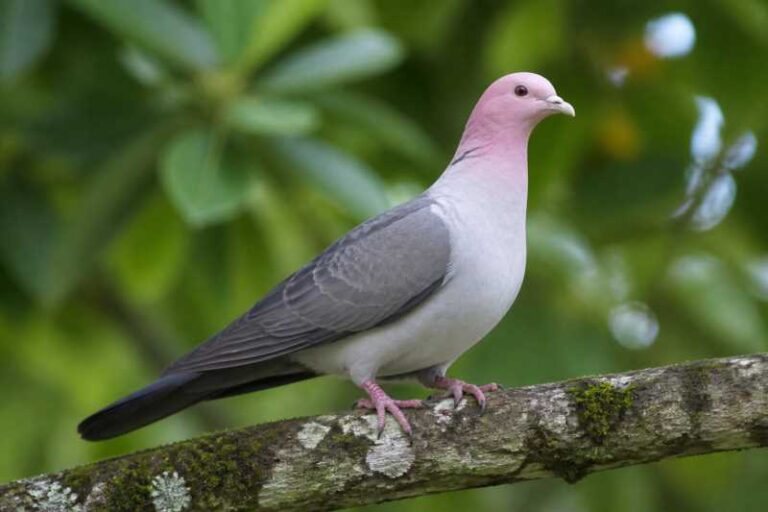
The Enigmatic East Brazilian Pygmy Owl: A Closer Look at Glaucidium minutissimum
The East Brazilian Pygmy Owl, scientifically known as Glaucidium minutissimum, is an intriguing avian species that captivates both ornithologists and bird enthusiasts alike. Despite its diminutive size, this owl holds a significant place in the biodiversity of Brazil’s rich ecosystems. This article delves into the fascinating world of the East Brazilian Pygmy Owl, exploring its habitat, behavior, and conservation status, while highlighting the crucial role it plays in maintaining ecological balance.
Habitat and Distribution
The East Brazilian Pygmy Owl is native to the Atlantic Forest, a region known for its exceptional biodiversity and high endemism. This forest stretches along the eastern coast of Brazil and is one of the most threatened ecosystems on the planet. These owls are predominantly found in the southeastern parts of Brazil, inhabiting areas characterized by dense tropical and subtropical forests.
Their preferred habitats are lowland and montane forests, where they can easily adapt to the dense foliage. Their ability to thrive in these environments is a testament to their evolutionary adaptations, allowing them to hunt and evade predators effectively. However, the rapid deforestation and fragmentation of the Atlantic Forest pose significant threats to their habitat, leading to concerns about their long-term survival.
Physical Characteristics
The East Brazilian Pygmy Owl is one of the smallest owl species in the world, with an average length of 13 to 15 centimeters and a wingspan of around 32 centimeters. Their plumage is predominantly brown with white spotting, providing excellent camouflage against the tree bark and foliage. They have yellow eyes and a distinctive facial disk, which aids in their acute sense of hearing, essential for hunting in the dense forest.
Despite their small size, these owls are formidable hunters. Their diet primarily consists of insects and small vertebrates, including rodents, birds, and reptiles. Their ability to hunt a variety of prey is indicative of their adaptability and resourcefulness in the wild.
Behavior and Ecology
East Brazilian Pygmy Owls are generally solitary and territorial birds. They are primarily nocturnal, though they can occasionally be active during the day, especially in overcast conditions. Their calls, a series of high-pitched whistles, are often heard at dusk and dawn, serving as both communication and territorial markers.
These owls are cavity nesters, often utilizing abandoned woodpecker holes or natural cavities in trees to lay their eggs. The breeding season typically occurs during the dry months, from July to November, when food resources are abundant. A clutch usually consists of two to four eggs, which are incubated primarily by the female while the male provides food.
Conservation Status
The East Brazilian Pygmy Owl is currently classified as Near Threatened by the International Union for Conservation of Nature (IUCN). The primary threat to their survival is habitat loss due to rampant deforestation, agriculture expansion, and urbanization. Conservation efforts are crucial to preserving the remaining fragments of the Atlantic Forest, which serve as critical habitats for this and many other species.
Efforts to protect the East Brazilian Pygmy Owl involve habitat restoration, legal protection of forested areas, and initiatives to raise awareness about the importance of conserving biodiversity in the Atlantic Forest. Establishing protected areas and promoting sustainable land-use practices are vital strategies for ensuring the survival of this species.
Conclusion
The East Brazilian Pygmy Owl, with its captivating presence and vital ecological role, is a symbol of the rich biodiversity within Brazil’s Atlantic Forest. Protecting this species is not only crucial for maintaining ecological balance but also for preserving the natural heritage of Brazil. As we continue to face environmental challenges, the conservation of such unique species becomes an imperative responsibility for both local communities and the global community at large.
By understanding and appreciating the intricate web of life that the East Brazilian Pygmy Owl is a part of, we can better advocate for the conservation of our planet’s precious ecosystems, ensuring that future generations have the opportunity to witness the wonders of wildlife that have long captivated human imagination.
Related posts