The Blue-bellied Roller: A Jewel of the African Skies
The Blue-bellied Roller, scientifically known as *Coracias cyanogaster*, is a strikingly beautiful bird that graces the skies of West and Central Africa. Renowned for its vibrant plumage and acrobatic flight, this roller is a member of the Coraciidae family, which also includes the famous Lilac-breasted Roller. Despite its relative obscurity compared to its more widely recognized relatives, the Blue-bellied Roller is a fascinating species worthy of attention from bird enthusiasts and conservationists alike.
Physical Characteristics
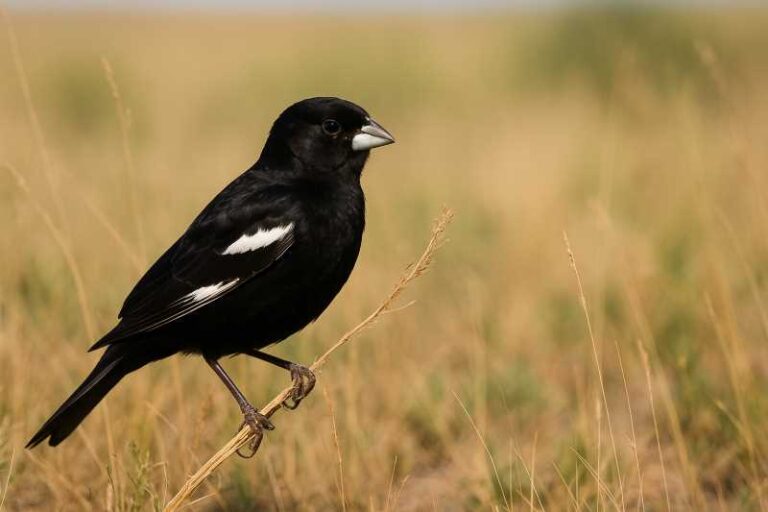
The Blue-bellied Roller is a medium-sized bird, measuring approximately 28 to 30 centimeters in length. Its most distinctive feature is its vivid coloration. The head, neck, and chest are adorned with a rich cream or pale buff color, contrasting sharply with its electric blue belly and undertail coverts. The wings and back are a deep greenish-blue, while the tail feathers are tipped with black and extend into elongated streamers, adding a touch of elegance to its silhouette.
The contrasting colors of the Blue-bellied Roller serve not only as a visual delight but also play a role in communication and mating displays. During flight, the roller’s wings reveal an iridescent blue and green sheen, creating a spectacular sight as it performs aerial acrobatics. This display is not just for show; it plays a crucial role in courtship rituals and territorial defense.
Habitat and Distribution
The natural habitat of the Blue-bellied Roller spans across the savannas, open woodlands, and forest edges of West and Central Africa. Countries such as Senegal, Gambia, Guinea, Sierra Leone, and Cameroon are part of its range. The roller thrives in areas with scattered trees and bushes, which provide both feeding opportunities and nesting sites. It is often found near rivers and wetlands, where prey is abundant.
Unlike some other rollers, the Blue-bellied Roller is relatively adaptable to changes in its environment. However, it still faces threats from habitat loss due to agricultural expansion and deforestation. Conservation efforts are essential to ensure that these vibrant birds continue to thrive in the wild.
Diet and Feeding Behavior
The Blue-bellied Roller is an insectivorous bird, primarily feeding on a diet of grasshoppers, beetles, and other large insects. It is also known to consume small reptiles and amphibians when available. The roller employs a ‘sit and wait’ strategy, perching on a high vantage point to scan the ground for prey. Once a target is spotted, the roller swoops down with precision to capture its meal.
This method of hunting is energy efficient and allows the roller to exploit a wide range of prey items. The bird’s keen eyesight and agile flight make it an adept hunter, capable of catching prey both on the ground and in mid-air.
Breeding and Nesting
Breeding season for the Blue-bellied Roller typically occurs during the onset of the rainy season, which varies across its range. The rollers are monogamous, forming strong pair bonds that last for several breeding seasons. Courtship involves elaborate aerial displays, with the male performing acrobatic flights and vocalizations to attract a mate.
Nesting takes place in tree cavities, often in dead or decaying trees. The female lays a clutch of two to four eggs, which both parents incubate for about 20 to 22 days. After hatching, the chicks are cared for by both parents and fledge approximately a month later. The cooperative efforts of the parents ensure a high survival rate for the young rollers.
Conservation Status
Currently, the Blue-bellied Roller is classified as Least Concern by the International Union for Conservation of Nature (IUCN). Despite this reassuring status, the bird’s population is subject to pressures from habitat destruction and human activities. Conservation organizations are working to raise awareness about the importance of preserving the roller’s natural habitats and promoting sustainable land-use practices.
Preserving the Blue-bellied Roller not only protects a unique species but also helps maintain the ecological balance in its habitat. As a predator of insects and small vertebrates, the roller plays a vital role in controlling pest populations, benefiting both natural ecosystems and human agriculture.
Conclusion
The Blue-bellied Roller is a captivating species that showcases the beauty and diversity of African avifauna. Its vibrant plumage, dynamic behavior, and ecological significance make it a key species for conservation efforts in its native range. By understanding and appreciating this remarkable bird, we can better appreciate the intricate tapestry of life that thrives in Africa’s wild landscapes.
As stewards of the natural world, it is our responsibility to ensure that the Blue-bellied Roller and countless other species continue to soar in the skies, enriching our planet with their presence. Through concerted conservation efforts and sustainable practices, we can secure a future where the Blue-bellied Roller continues to be a jewel of the African skies.
Related posts