The Australian Crake: A Hidden Gem of Wetland Avifauna
The Australian Crake (Porzana fluminea) is a small, elusive bird that graces the wetlands of Australia, embodying the intricate beauty and complexity of these vital ecosystems. Despite its understated presence, the Australian Crake plays a crucial role in the ecological balance of its habitat, and its observation is a delight for ornithologists and bird enthusiasts alike.
Physical Characteristics
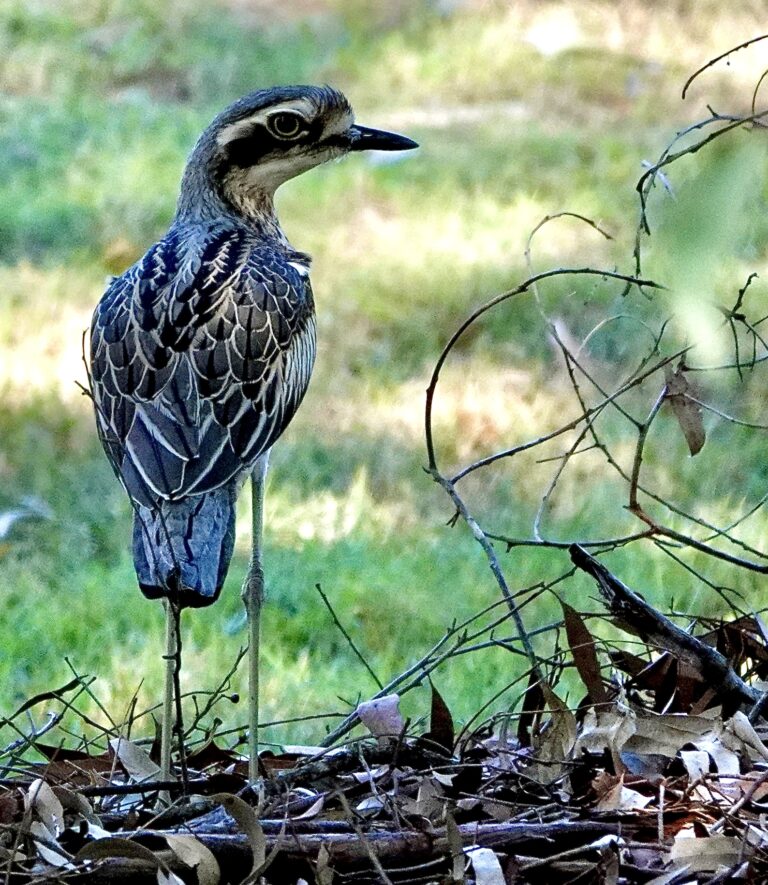
The Australian Crake is a petite bird, typically measuring between 18 to 22 centimeters in length. It displays a subtle yet striking plumage, with a slate-grey head and neck that gradually transitions into a brownish back and wings. Its underparts are adorned with fine barring, which provides excellent camouflage among reeds and grasses. The bird’s bright red eyes and yellowish-green legs add a touch of vibrancy to its otherwise muted coloration.
Habitat and Distribution
Native to Australia, the Australian Crake predominantly inhabits freshwater wetlands, swamps, and marshes. It is most commonly found in the eastern and southeastern regions of the continent, although its range extends to parts of Western Australia and Tasmania. The bird’s preference for dense vegetation along water bodies makes it a challenging species to spot, often requiring patience and a keen eye from those hoping to observe it in the wild.
Behavior and Diet
The Australian Crake is a secretive and solitary bird, often remaining hidden within thick vegetation. It is most active during the early morning and late afternoon, when it forages for food. Its diet primarily consists of aquatic insects, small mollusks, and seeds, reflecting its adaptability to the fluctuating conditions of wetland environments.
The bird’s feeding behavior is characterized by its methodical movement through shallow water, where it uses its long toes to navigate and search for prey. This agile foraging technique is complemented by its ability to swim skillfully, a trait not commonly associated with many land birds.
Breeding and Reproduction
Breeding season for the Australian Crake usually occurs from August to December, coinciding with the availability of abundant food resources. The bird constructs its nest in dense vegetation, close to water, using materials such as reeds and grasses to create a concealed platform.
A typical clutch consists of four to seven eggs, which are incubated by both parents for about 18 to 21 days. The hatchlings are precocial, meaning they are relatively mature and mobile shortly after hatching, a vital adaptation for survival in the often unpredictable wetland habitats.
Conservation Status and Threats
Currently, the Australian Crake is classified as a species of "Least Concern" by the International Union for Conservation of Nature (IUCN). However, like many wetland-dependent species, it faces potential threats from habitat destruction, pollution, and climate change. The drainage of wetlands for agriculture and urban development poses a significant risk to its habitat, reducing the availability of suitable nesting and feeding grounds.
Conservation efforts aimed at preserving and restoring wetland habitats are crucial for the long-term survival of the Australian Crake. Initiatives include the establishment of protected areas, habitat restoration projects, and community engagement programs to raise awareness about the importance of wetlands.
The Joy of Observing the Australian Crake
For birdwatchers, spotting an Australian Crake is a rewarding experience, offering a glimpse into the intricate dynamics of wetland ecosystems. The bird’s elusive nature means that patience and quiet observation are essential, as sudden movements can easily startle it back into hiding.
Birdwatching enthusiasts often utilize binoculars and spotting scopes to enhance their chances of sighting this secretive species. Early morning or late afternoon excursions to known wetland habitats increase the likelihood of an encounter, as these are the times when the Australian Crake is most active.
Conclusion
The Australian Crake may not be as well-known or flamboyant as some of its avian counterparts, but its role in maintaining the health and balance of wetland ecosystems is invaluable. As we continue to face environmental challenges, understanding and appreciating the delicate interplay of species like the Australian Crake is essential for fostering a sustainable coexistence with the natural world. Through conservation efforts and responsible ecotourism, we can ensure that future generations will have the opportunity to observe and admire this captivating bird.
The hidden life of the Australian Crake serves as a poignant reminder of the wonders that exist within our wetlands, waiting to be discovered by those willing to look a little closer.
Related posts