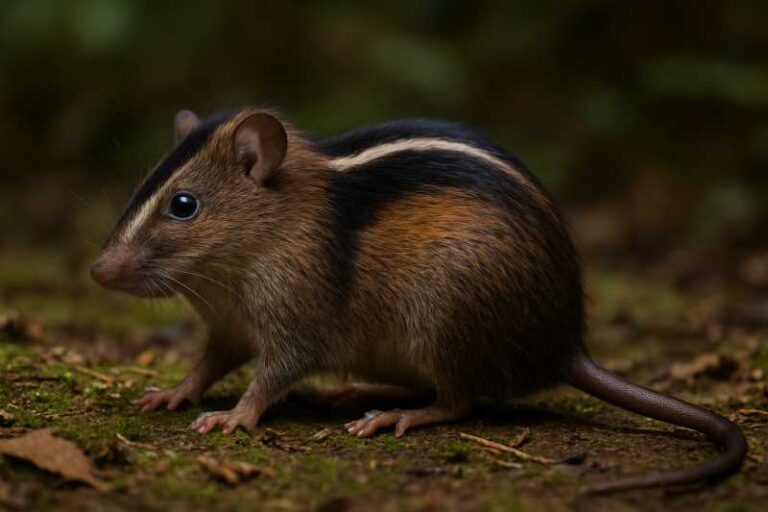
Mainland Leopard Cat (Prionailurus bengalensis)
Introduction
The Mainland Leopard Cat, scientifically known as Prionailurus bengalensis, is a fascinating small wildcat native to Asia. Known for its striking appearance and adaptability, this species plays a crucial role in its ecosystem as both a predator and a prey species. The Mainland Leopard Cat is part of the Felidae family and is closely related to other small cat species found across the continent. This article will delve into various aspects of this intriguing feline, including its physical characteristics, habitat, behavior, diet, and conservation status.
Physical Description
The Mainland Leopard Cat is a small to medium-sized feline, typically weighing between 3 to 7 kilograms (6.6 to 15.4 pounds) and measuring 45 to 65 centimeters (18 to 26 inches) in body length, with a tail length of about 20 to 30 centimeters (8 to 12 inches). Its fur is short and soft, adorned with a striking pattern of black spots and rosettes on a yellow-brown coat, which provides excellent camouflage in its natural habitat. The underparts are white, and the forehead features distinctive black lines that extend from the eyes to the neck. The ears are rounded with white spots on the back, which may serve as a form of communication or deterrence to predators.
Range and Habitat
The Mainland Leopard Cat is widely distributed across Asia, inhabiting a variety of ecosystems ranging from tropical rainforests and temperate forests to grasslands and agricultural landscapes. Its range extends from the Russian Far East through China, Nepal, India, and Southeast Asia, including the islands of Sumatra and Borneo. This adaptability to different environments is a testament to the species’ resilience. Despite its preference for dense vegetation and forested areas, the Mainland Leopard Cat can also be found in human-altered landscapes, such as plantations and rural farmlands, where its ability to hunt small rodents serves as a key advantage.
Behavior and Diet
Primarily nocturnal and solitary, the Mainland Leopard Cat is a stealthy predator, relying on its keen senses of sight and hearing to hunt. Its diet predominantly consists of small mammals, particularly rodents and shrews, which it actively hunts during the night. The cat is also known to prey on birds, reptiles, amphibians, and insects, showcasing its opportunistic feeding habits. In some regions, the Mainland Leopard Cat has been observed hunting fish and even scavenging on carrion when available. This dietary flexibility allows it to thrive in a variety of environments, from pristine forests to cultivated lands.
Identification Tips
Identifying the Mainland Leopard Cat in the wild can be challenging due to its elusive nature and excellent camouflage. However, there are several field recognition cues that can aid in its identification:
- Spotting and Rosette Patterns: Look for the distinctive black spots and rosettes on a golden-brown coat.
- Facial Markings: Notice the black lines running from the eyes to the neck, and the white spots on the back of the ears.
- Size and Shape: The cat is relatively small, with a slender body and a long tail that aids in balance.
- Behavior: They are mostly active at night and can often be seen alone.
Conservation Status
The Mainland Leopard Cat is currently classified as "Least Concern" by the International Union for Conservation of Nature (IUCN), thanks to its wide distribution and large population. However, this status should not lead to complacency, as the species faces several threats that could impact its survival. Habitat destruction due to deforestation, agricultural expansion, and urban development poses significant challenges. Additionally, the Mainland Leopard Cat is hunted for its fur and as a pet in some regions, further endangering local populations.
Conservation efforts are crucial to ensure the long-term survival of the Mainland Leopard Cat. Protected areas and wildlife reserves play a vital role in providing safe havens for this species. Furthermore, raising awareness about the importance of conserving this and other small cat species can help mitigate human-wildlife conflicts and reduce poaching.
Frequently Asked Questions
- What is the primary diet of the Mainland Leopard Cat?
The Mainland Leopard Cat primarily feeds on small mammals such as rodents and shrews. They are opportunistic predators and also consume birds, reptiles, amphibians, and insects.
- Where can the Mainland Leopard Cat be found?
The Mainland Leopard Cat is found across a wide range of habitats in Asia, including tropical rainforests, temperate forests, grasslands, and even agricultural areas, from the Russian Far East through Southeast Asia.
- How does the Mainland Leopard Cat adapt to human-altered landscapes?
The Mainland Leopard Cat is highly adaptable and can thrive in human-altered landscapes by preying on small mammals and other animals found in agricultural fields and plantations.
- What are the main threats to the Mainland Leopard Cat?
The primary threats to the Mainland Leopard Cat include habitat destruction due to deforestation and urbanization, as well as hunting for their fur and the pet trade.
- How can I contribute to the conservation of the Mainland Leopard Cat?
Supporting conservation organizations, promoting awareness about the species, and advocating for the protection of their habitats are some of the ways individuals can contribute to the conservation of the Mainland Leopard Cat.
Related posts