The Enigmatic Red-breasted Flycatcher: A Comprehensive Overview
The Red-breasted Flycatcher (Ficedula parva) is a small passerine bird that has captured the fascination of ornithologists and birdwatchers alike. Known for its striking appearance and melodious song, this bird is a true emblem of the European and Asian woodlands where it predominantly resides. This article delves into the intricacies of the Red-breasted Flycatcher, exploring its habitat, behavior, and the conservation efforts aimed at preserving its populations.
Habitat and Distribution
The Red-breasted Flycatcher is primarily found across Europe and Asia, inhabiting deciduous and mixed woodlands. Its range extends from Western Europe to the Ural Mountains in Russia, and during the breeding season, it is particularly prevalent in the forests of Northern and Eastern Europe. In winter, this migratory bird travels to the warmer climates of South Asia, including countries like India and Pakistan.
The bird prefers habitats that offer dense foliage and plenty of cover, which provides protection from predators and a rich supply of insects, its primary food source. The presence of large, mature trees is essential for nesting and perching, making old-growth forests particularly valuable to this species.
Physical Characteristics
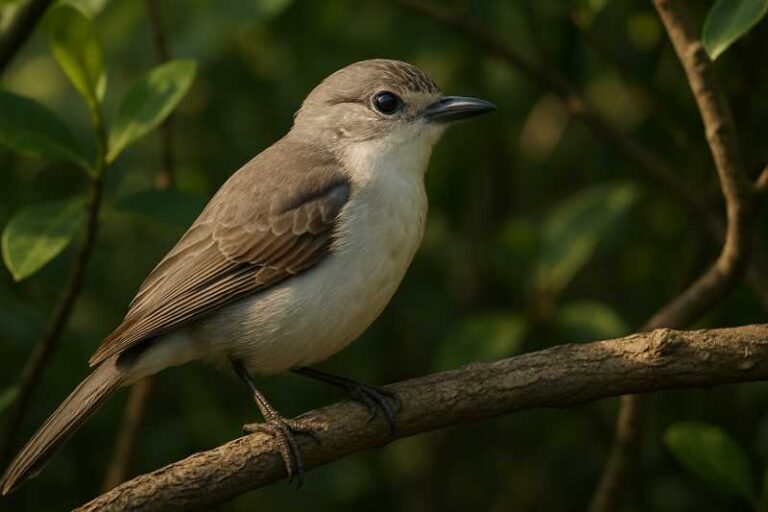
The Red-breasted Flycatcher is a small bird, measuring approximately 11-12 cm in length and weighing between 8 to 12 grams. It is sexually dimorphic, with males exhibiting more vibrant plumage than females. During the breeding season, male Red-breasted Flycatchers are distinguished by their bright orange-red throats and upper breasts, which contrast with their grey heads and whitish underparts. Females and juveniles, on the other hand, have a more subdued coloration, lacking the distinctive red breast.
These birds are agile flyers, adept at catching insects mid-flight. They possess a short, thin bill and a moderately long tail, both of which are characteristic features of flycatchers. The tail often displays a distinctive white pattern, visible when the bird is in flight.
Behavior and Diet
The Red-breasted Flycatcher is an insectivorous bird, primarily feeding on a diet of flies, beetles, and other small invertebrates. It employs a “sit-and-wait” hunting strategy, perching silently on a branch before darting out to capture prey in the air. This method of hunting not only showcases the bird’s agility but also its keen eyesight and precision.
During the breeding season, males are known for their melodious and varied songs, which they use to attract females and establish territories. The song of the Red-breasted Flycatcher is a series of sweet, high-pitched notes that can be heard echoing through the forest.
Breeding and Nesting
The breeding season for the Red-breasted Flycatcher typically occurs between May and July. During this time, males engage in elaborate courtship displays, singing persistently to attract potential mates. Once paired, the female takes on the primary responsibility of constructing the nest, which is often built in a natural cavity in a tree or occasionally in a nest box.
The nest is a small cup made from grass, moss, and feathers, providing a safe haven for the eggs. A typical clutch consists of 4-7 eggs, which are incubated by the female for about two weeks. After hatching, both parents participate in feeding the chicks, which fledge approximately 12-15 days after hatching.
Conservation Status
The Red-breasted Flycatcher is currently classified as a species of Least Concern by the International Union for Conservation of Nature (IUCN). While its population is considered stable, the species faces threats from habitat loss due to deforestation and changes in land use. Conservation efforts are focused on preserving the natural habitats that are vital for the bird’s breeding and feeding.
In Europe, several conservation initiatives have been implemented to protect mature woodlands and promote sustainable forestry practices. Additionally, the installation of nest boxes has proven beneficial in areas where natural nesting sites are limited.
Conclusion
The Red-breasted Flycatcher is a captivating species that plays an essential role in the ecosystems it inhabits. Its vibrant plumage, enchanting song, and remarkable adaptability make it a favorite among bird enthusiasts. Continued conservation efforts are crucial to ensuring that future generations can enjoy the presence of this delightful bird in the wild.
As we strive to balance human activities with the preservation of natural habitats, the Red-breasted Flycatcher serves as a reminder of the rich biodiversity that exists within our woodlands and the importance of safeguarding these environments for the future.
References
– BirdLife International. “Ficedula parva.” The IUCN Red List of Threatened Species 2021.
– Svensson, L., et al. “Collins Bird Guide.” HarperCollins, 2009.
– Mullarney, K., et al. “Birds of Europe.” Princeton University Press, 1999.
Related posts