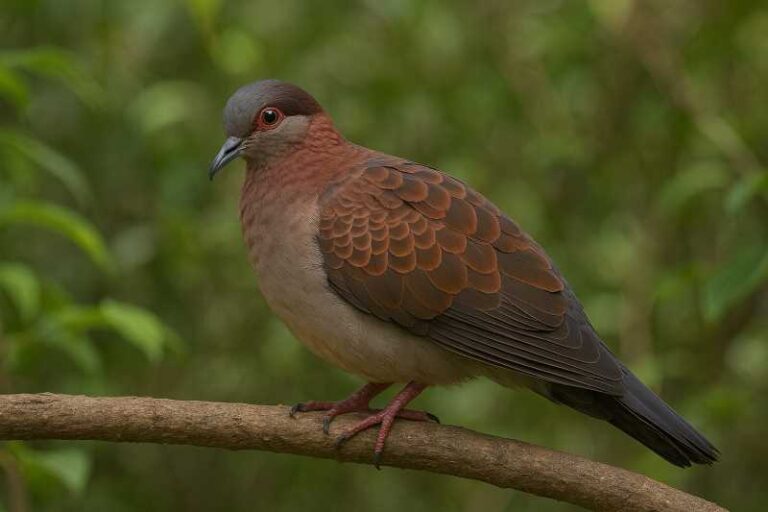
The Enigmatic Brown-winged Parrotbill: An Avian Marvel of the Eastern Himalayas
The Brown-winged Parrotbill (Suthora brunnea), a fascinating member of the Paradoxornithidae family, is a small passerine bird that captivates birdwatchers and ornithologists alike with its distinctive appearance and intriguing behaviors. Found predominantly in the Eastern Himalayas, this species exhibits a unique blend of adaptability and specialization, making it a subject of significant interest in avian studies. This article delves into the habitat, physical characteristics, behavior, and conservation status of the Brown-winged Parrotbill, offering a comprehensive overview of this remarkable bird.
Habitat and Distribution
The Brown-winged Parrotbill is primarily distributed across the dense, subtropical, and temperate forests of the Eastern Himalayas. Its range extends through parts of India, Bhutan, Myanmar, and southern China. These birds thrive in bamboo thickets and undergrowth, which provide ample cover and foraging opportunities. The choice of habitat is crucial for their survival, as it offers protection from predators and access to their primary food sources.
The elevation at which they are typically found ranges from 1,200 to 3,600 meters. This elevation preference illustrates their adaptability to different climatic conditions, as they can endure both the monsoon rains and the cooler temperatures of higher altitudes. The dense foliage not only aids in nesting but also supports a diverse ecosystem that sustains their dietary needs.
Physical Characteristics
The Brown-winged Parrotbill is a small bird, measuring approximately 12 to 15 centimeters in length. Its plumage is predominantly brown, with subtle variations that blend seamlessly with its forested habitat. The wings, as its name suggests, are brown, often showing a slightly darker hue than the rest of the body. This bird’s most distinguishing feature is its stout, parrot-like bill, which is adapted for its feeding habits.
The plumage of Suthora brunnea exhibits sexual monomorphism, meaning that males and females look alike. This lack of sexual dimorphism can make it challenging to differentiate between the sexes without close observation. Their eyes are encircled by white eye-rings, adding a striking contrast to their otherwise muted coloration.
Behavior and Diet
Brown-winged Parrotbills are social birds, often found in small flocks that may include other parrotbill species. This gregarious nature aids in foraging, as they move through the undergrowth searching for food. Their diet primarily consists of insects, seeds, and bamboo shoots. Their parrot-like bill is adept at handling various food sources, allowing them to exploit the rich resources of their habitat.
These birds are known for their acrobatic foraging techniques, frequently hanging upside down to reach insects on the underside of leaves or bamboo stems. Their feeding behavior is not only fascinating to observe but also highlights their ecological role in controlling insect populations and aiding in seed dispersal.
During the breeding season, which typically occurs from April to July, Brown-winged Parrotbills become more territorial. They construct cup-shaped nests within the dense thickets, carefully concealed to protect against predators. The female usually lays two to four eggs, which are incubated for about two weeks. Both parents participate in feeding the chicks, showcasing a strong pair bond and cooperative breeding behavior.
Conservation Status
Currently, the Brown-winged Parrotbill is classified as a species of Least Concern by the International Union for Conservation of Nature (IUCN). However, their habitat is increasingly threatened by deforestation and habitat fragmentation, primarily due to agricultural expansion and logging activities in the region.
Conservation efforts are essential to ensure the long-term survival of this species. Protecting their natural habitats through the establishment of protected areas and promoting sustainable land-use practices are vital steps in mitigating the threats they face. Furthermore, raising awareness about the ecological significance of the Brown-winged Parrotbill can garner support for conservation initiatives.
Conclusion
The Brown-winged Parrotbill is an extraordinary bird that embodies the beauty and complexity of the Eastern Himalayas’ avian life. Its adaptability, social behavior, and ecological role make it a key species in its habitat. While currently not facing immediate extinction threats, ongoing conservation efforts are crucial to preserve its habitat and ensure future generations can continue to admire this avian marvel.
As we strive to understand and protect the natural world, the Brown-winged Parrotbill serves as a reminder of the intricate connections within ecosystems and the importance of safeguarding biodiversity.
Related posts